

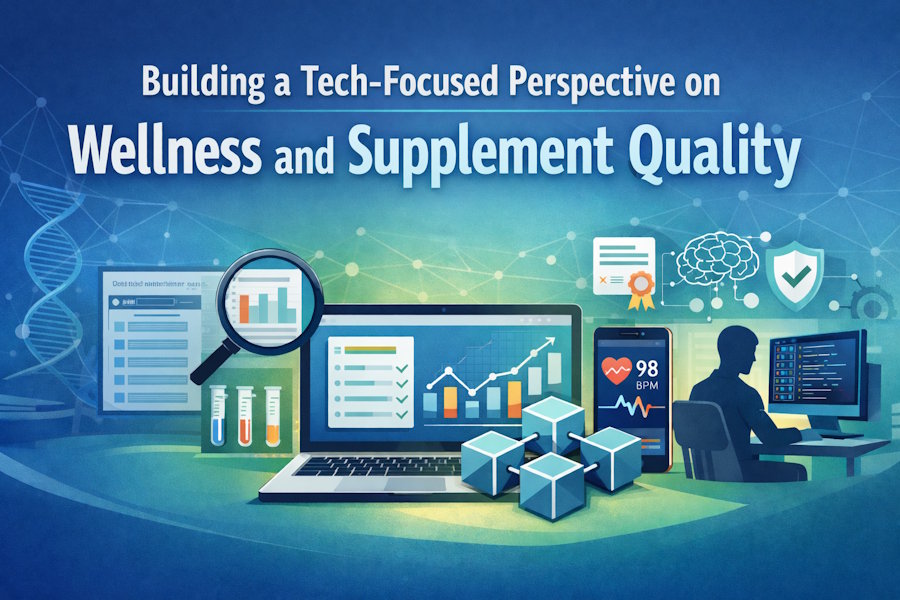
In the modern digital landscape, content creation is no longer limited to a single niche. Technology platforms are increasingly hosting articles that intersect with health, wellness, and data transparency. However, publishing such content—especially on developer-oriented platforms—requires a carefully structured approach that aligns with technical relevance, ethical standards, and editorial guidelines.
This article explores how to present wellness topics like fenbendazole 444 mg and supplement quality through a technology-focused lens. The goal is to ensure compliance with platform requirements while delivering meaningful, well-researched, and professional content.
Understanding Fenbendazole from an Informational Standpoint
What Fenbendazole Is and Why It’s Discussed
Fenbendazole is commonly known as a compound used in veterinary contexts. Recently, it has been mentioned across various online communities and wellness discussions. While curiosity around such compounds continues to grow, it is essential to approach the topic responsibly.
From a publishing and development perspective, content should focus on factual, non-promotional information. Avoiding unsupported claims and presenting neutral, research-oriented insights helps maintain credibility and ensures compliance with editorial standards.
Connecting Wellness Content with Technology Platforms
Why Tech Blogs Can Cover Wellness Topics
At first glance, wellness topics may seem unrelated to programming or software development. However, there is a growing overlap between health and technology, including:
Data tracking systems for supplements
Digital verification of product quality
Health-focused mobile and web applications
AI-driven analysis of wellness trends
By framing the discussion around systems, tools, and data, wellness content can become highly relevant for a technical audience.
Importance of Supplement Quality and Transparency
The Role of Lab Testing in Modern Applications
One of the most critical aspects of supplement-related discussions is quality assurance. Developers and content creators can highlight how technology supports transparency through:
Third-party lab testing systems
Digital certificates of analysis
Blockchain-based supply tracking
APIs for verifying product authenticity
These elements not only improve trust but also provide practical value for developers building health-related platforms.
Building Trust Through Data Integrity
Users today expect reliable and verifiable information. From a technical perspective, this means structuring content and systems that prioritize:
Accurate data representation
Clear sourcing
Consistent formatting
Secure data handling
For example, developers working on wellness platforms may integrate external data sources to verify supplement standards. Resources discussing fenbendazole 222 mg can be naturally referenced to guide users toward deeper understanding.
Structuring High-Quality Content for Developer Platforms
Writing with Technical Relevance
To meet platform guidelines, articles must maintain a strong connection to programming or software development. This can be achieved by:
Discussing backend systems for data validation
Explaining how APIs fetch lab testing results
Demonstrating database structures for supplement tracking
Highlighting automation in content moderation
This approach ensures the article remains useful for developers while covering wellness-related topics.
SEO and Readability Best Practices
Well-structured content improves both user experience and search engine performance. Important considerations include:
Clear hierarchical headings
Logical content flow
Natural keyword integration
Clean HTML formatting
Developers should also ensure fast-loading pages, mobile responsiveness, and proper indexing to maximize reach and engagement.
Implementing Content Moderation and Compliance
Avoiding Misleading Health Claims
One of the most important responsibilities when publishing wellness content is avoiding misinformation. Developers can implement safeguards such as:
Automated detection of exaggerated claims
Content review workflows
Flagging systems for sensitive topics
Manual editorial checks
This ensures that discussions around compounds like fenbendazole remain informative rather than misleading.
Using Structured Data for Better Visibility
Structured data helps search engines understand the context of content. For wellness-related articles, developers can implement:
Article schema for better indexing
FAQ schema for user queries
Metadata for improved discoverability
Proper implementation enhances both SEO performance and content clarity.
Practical Use Cases in Health-Tech Development
Building a Supplement Verification Tool
A practical example of combining technology and wellness is a supplement verification platform. Such a system could:
Allow users to scan product batch numbers
Fetch lab testing data via API
Display purity and quality metrics
Provide transparency reports
This kind of application demonstrates how developers can transform abstract wellness concepts into functional tools.
Data Visualization for Better User Understanding
Another valuable approach is presenting supplement data through visual dashboards. Features may include:
Graphs showing purity levels
Historical testing data
Comparative analysis between products
Alerts for quality inconsistencies
These features enhance user engagement while maintaining a strong technical foundation.
Ethical and Professional Content Standards
Maintaining Editorial Integrity
Even when publishing sponsored content, maintaining high standards is essential. This includes:
Writing original and well-researched material
Avoiding overly promotional tone
Ensuring relevance to the platform’s niche
Limiting outbound links as per guidelines
Following these practices helps build long-term credibility.
Responsible Link Integration
Including external links should feel natural and relevant. Best practices include:
Embedding links within meaningful context
Using descriptive anchor text
Avoiding excessive linking
This ensures both user value and compliance with editorial rules.
Future of Wellness Content in Technology
The Rise of Health-Tech Integration
The integration of wellness and technology is expected to grow significantly. Emerging trends include:
AI-driven health recommendations
Personalized supplement tracking apps
Real-time lab data integration
Secure digital health records
Developers who understand these trends can create innovative solutions while contributing to reliable information ecosystems.
Conclusion
Creating a wellness-focused article for a technology platform requires a strategic balance between informative content and technical relevance. By focusing on transparency, data validation, and ethical communication, developers can produce high-quality content that aligns with platform requirements.
Topics like fenbendazole and supplement quality can be responsibly discussed when framed within the context of systems, verification processes, and user trust. This not only ensures compliance but also provides real value to readers.
In the end, the combination of technology and wellness is not just a trend—it is an opportunity to build smarter, more transparent digital experiences that benefit users worldwide.

