

Understanding the Importance of EMI Control
Electromagnetic interference (EMI) has emerge as one of the most large challenges in modern digital structures. As industrial system grows more advanced and power-dense, handling undesirable electric noise is crucial for keeping machine stability and making sure compliance with worldwide standards.
In nowadays’s exceedingly related environments, even minor interference can disrupt operations, main to pricey downtime or device inefficiencies. This makes EMI manipulate a crucial attention inside the design and operation of business electronics.
What Is EMI and Why It Matters
EMI refers to unwanted electric indicators that intervene with the regular functioning of digital devices. In industrial settings, EMI can originate from a huge range of assets, which include switching strength materials, electric vehicles, inverters, and excessive-frequency circuits.
If now not well controlled, EMI can cause numerous critical issues, such as:
- Equipment malfunction
- Data corruption
- Reduced system lifespan
- Failure to meet electromagnetic compatibility (EMC) standards
These problems not only affect performance but can also result in regulatory non-compliance, which is a major concern in industries such as healthcare, manufacturing, and energy.
The Role of EMI Filters in Power Systems
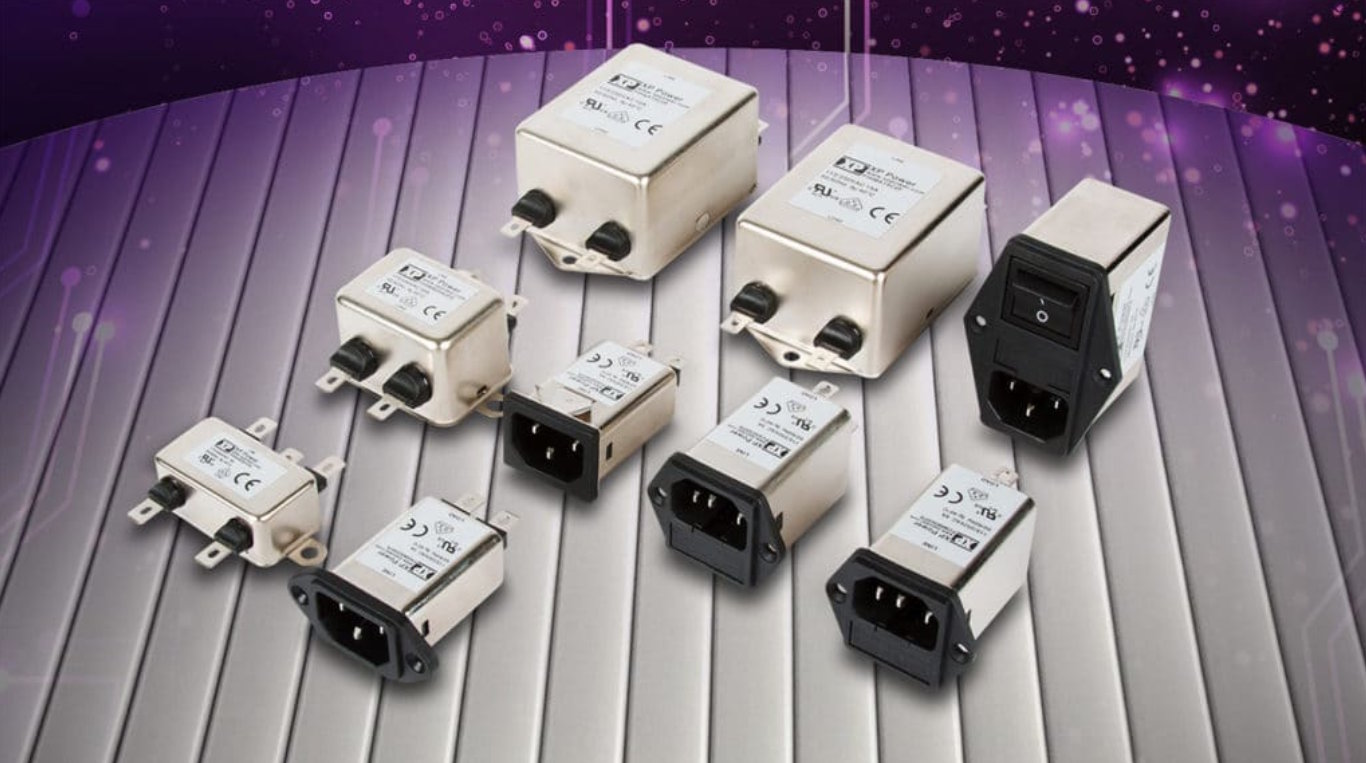
EMI filters play a vital role in suppressing conducted noise within power lines. They are specifically designed to block high-frequency interference while allowing the desired electrical signals to pass through without disruption.
Typically, EMI filters are composed of components such as capacitors, inductors, and resistors. These elements work together to reduce noise levels and improve overall system performance.
High-quality EMI filters are widely used in various applications, including:
- Industrial automation systems
- Medical equipment
- Renewable energy installations
- Telecommunications infrastructure
By integrating effective filtering solutions, engineers can significantly enhance the reliability and efficiency of electronic systems.
Equally important is selecting a reliable supplier. Professional manufacturers like DOREXS offer customized EMI filter solutions designed to meet the demands of complex industrial environments.
How EMI Filters Support Regulatory Compliance
Meeting EMC regulations is essential for industrial and commercial electronic devices. Without proper filtering, systems may fail certification tests, leading to delays and additional costs.
EMI filters help ensure compliance with standards such as:
- CE marking requirements
- FCC regulations
- International EMC standards
Using trusted solutions from providers like DOREXS can simplify the compliance process and reduce risks.
Key Design Considerations for EMI Filters
Selecting the right EMI filter requires careful evaluation of several technical factors. Engineers must consider:
- Rated current and voltage
- Insertion loss performance
- Leakage current
- Mounting type and available installation space
Each of these factors plays a crucial role in determining how well the filter will perform in a specific application. A poorly chosen filter may fail to provide adequate suppression or could introduce additional complications.
Future Trends in EMI Filtering Technology
As technology advances, EMI filtering solutions are also evolving. Modern designs focus on compact size, higher efficiency, and better performance in demanding environments.
Key trends include:
- Integration with smart power systems
- Miniaturization of filter components
- Enhanced materials for better noise suppression
- Custom-designed solutions for specialized applications
Advanced Solutions for Modern Applications
As industrial systems continue to evolve, the need for advanced EMI filtering solutions becomes even more critical. Modern applications require filters that not only meet strict compliance standards but also deliver consistent performance under demanding conditions.
👉 Learn more about advanced solutions here: https://www.emcdorexs.com/
Conclusion
In an era of increasing electronic complexity, EMI suppression is no longer optional—it is essential. Implementing high-quality EMI filters ensures system stability, enhances performance, and helps meet regulatory requirements.
By choosing the right components and working with experienced providers like DOREXS, industries can achieve long-term reliability and efficiency in their electronic systems.

