

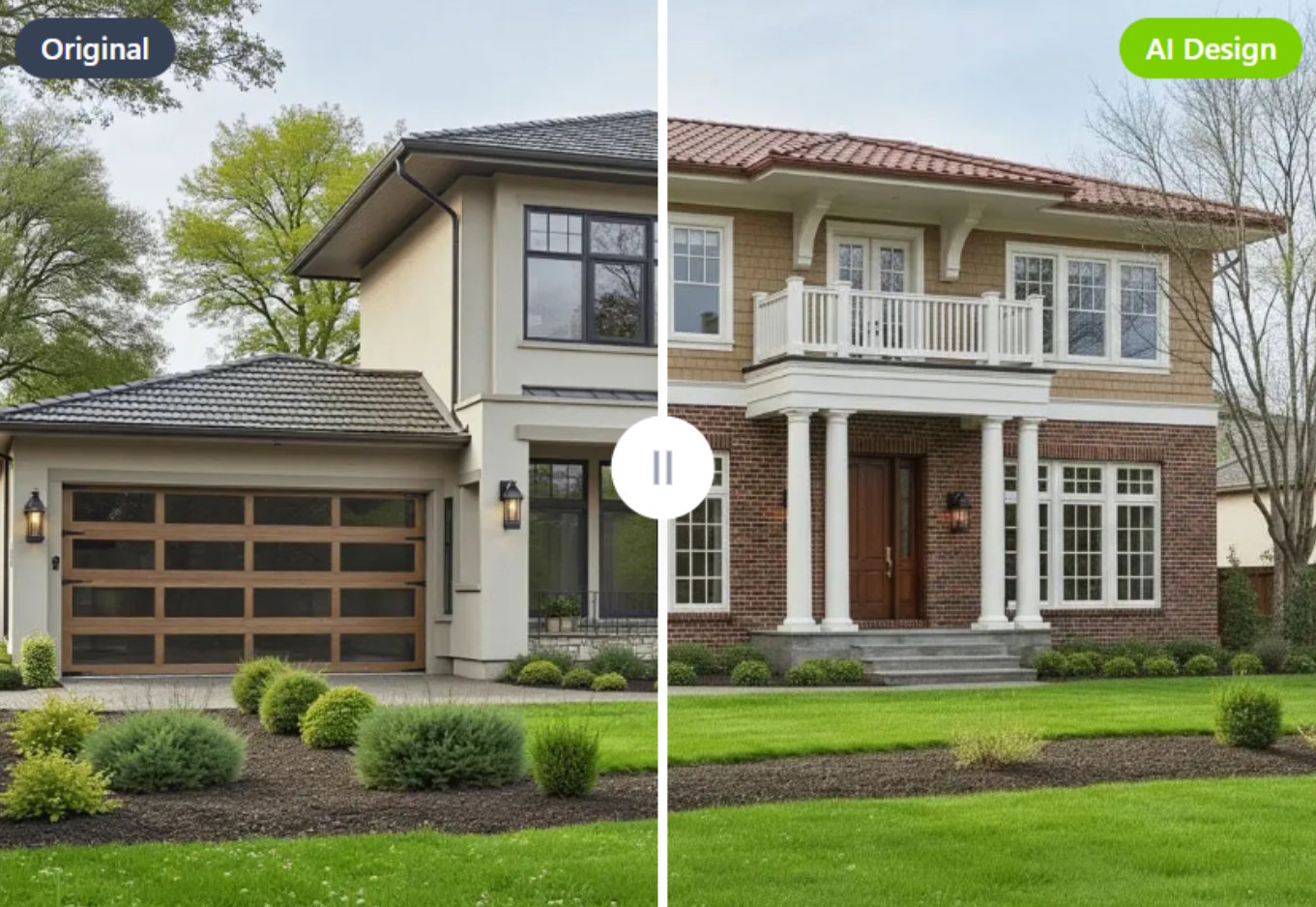
In today’s fast-evolving digital world, technology is reshaping nearly every aspect of our lives—and home design is no exception. What once required months of planning, consultations, and expensive revisions can now be achieved in a fraction of the time using artificial intelligence. From personalized layouts to real-time visualizations, AI is revolutionizing how homeowners, architects, and designers approach living spaces.
One of the most exciting developments in this field is the rise of platforms like Dehome home design, which combine creativity with cutting-edge AI tools to deliver stunning, customized interiors. Alongside this, tools such as an ai blueprint generator are making it easier than ever to turn ideas into practical, buildable plans.
The Evolution of Home Design
Traditionally, home design has been a labor-intensive process. Homeowners would work closely with architects and interior designers, sharing ideas through sketches, mood boards, and multiple revisions. While effective, this method often required significant time, money, and patience.
Today, AI-powered solutions are simplifying this process. With advanced algorithms and machine learning capabilities, these tools can analyze user preferences, spatial requirements, and design trends to generate highly personalized solutions within minutes.
This shift is not just about convenience—it’s about empowering users. Whether you’re redesigning a single room or building a house from scratch, AI allows you to take control of the creative process like never before.
How AI is Changing the Design Process
Artificial intelligence is bringing several groundbreaking improvements to home design:
1. Instant Visualization
One of the biggest challenges in traditional design is imagining how a space will look once completed. AI tools solve this problem by offering real-time 3D renderings. Users can instantly see how different layouts, colors, and furniture arrangements will appear in their homes.
Platforms like Dehome home design allow users to experiment with various styles—from modern minimalism to classic elegance—without committing to any single idea prematurely.
2. Personalized Recommendations
AI systems learn from user input, including preferences, lifestyle needs, and even browsing behavior. Based on this data, they suggest layouts, materials, and décor elements tailored specifically to the individual.
For example, a family with children might receive recommendations for durable materials and open spaces, while a professional working from home might get suggestions for a functional home office setup.
3. Efficient Space Planning
Maximizing space is a critical aspect of home design, especially in urban environments. AI tools excel at optimizing layouts to ensure every square foot is used effectively.
An ai blueprint generator can quickly produce multiple layout options based on room dimensions and user requirements, helping homeowners choose the most efficient design.
4. Cost Optimization
Budgeting is often a major concern in home design projects. AI can estimate costs based on materials, labor, and design choices, allowing users to make informed decisions.
By identifying cost-effective alternatives and preventing costly mistakes, AI helps users stay within budget while still achieving their desired look. AI-generated estimates work best when paired with current market data — for example, comprehensive guides on house building costs in Australia cover regional variations in slab and frame pricing, council and engineering fees, and inclusion levels, giving homeowners realistic benchmarks to validate AI-generated cost projections against actual builder quotes.
The Role of AI in Blueprint Creation
Blueprints are the foundation of any construction or renovation project. Traditionally, creating them required technical expertise and specialized software. However, AI is changing this landscape.
An ai blueprint generator simplifies the process by allowing users to input basic information such as room size, purpose, and preferred layout. The system then generates detailed floor plans that meet these specifications.
These AI-generated blueprints are not only accurate but also highly adaptable. Users can make adjustments in real time, experimenting with different configurations until they find the perfect fit.
This level of flexibility is particularly valuable for homeowners who want to explore multiple design options without starting from scratch each time.
Enhancing Creativity with AI
Contrary to the belief that AI might limit creativity, it actually enhances it. By handling technical and repetitive tasks, AI frees up designers and homeowners to focus on the creative aspects of the project.
With platforms like Dehome home design, users can explore a wide range of styles, textures, and layouts. AI acts as a creative partner, offering suggestions and inspiration while still allowing users to maintain full control over the final design.
This collaborative approach leads to more innovative and personalized results, as users can combine their own ideas with AI-generated insights.
Benefits for Professionals and Homeowners
AI-driven home design tools are beneficial for both professionals and individuals:
For Homeowners:
- Easy-to-use interfaces
- Quick design generation
- Reduced costs
- Greater control over the process
For Designers and Architects:
- Increased efficiency
- Faster project turnaround
- Enhanced client satisfaction
- Ability to handle multiple projects simultaneously
By bridging the gap between technical expertise and user accessibility, AI is making high-quality design available to a wider audience.
Sustainability and Smart Design
Another significant advantage of AI in home design is its contribution to sustainability. AI systems can recommend energy-efficient layouts, eco-friendly materials, and smart home integrations.
For instance, AI can analyze sunlight patterns to optimize window placement, reducing the need for artificial lighting. It can also suggest insulation improvements and energy-saving appliances, helping homeowners reduce their environmental impact.
As sustainability becomes a priority for many homeowners, AI-driven design tools are playing a crucial role in promoting greener living spaces.
The Future of AI in Home Design
The integration of AI into home design is still in its early stages, but the potential is enormous. Future advancements may include:
- Fully automated home design processes
- Integration with virtual reality for immersive design experiences
- Real-time collaboration between clients and designers
- Advanced predictive modeling for long-term usability
As these technologies continue to evolve, tools like Dehome home design and the ai blueprint generator will become even more sophisticated, offering unparalleled levels of customization and efficiency.
Challenges and Considerations
Despite its many advantages, AI in home design does come with some challenges. Users may need time to adapt to new technologies, and there can be concerns about over-reliance on automated systems.
Additionally, while AI can generate highly accurate designs, human expertise is still essential for ensuring structural integrity and compliance with building regulations.
Therefore, the best approach is a balanced one—combining AI capabilities with professional guidance to achieve optimal results.
Conclusion
Artificial intelligence is transforming the way we design and build our homes. By making the process faster, more efficient, and highly personalized, AI is empowering both homeowners and professionals to create spaces that truly reflect their needs and preferences.
From innovative platforms like Dehome home design to powerful tools such as an ai blueprint generator, the future of home design is smarter, more accessible, and more exciting than ever before.
As technology continues to advance, one thing is clear: AI is not just a tool—it’s a game-changer in the world of home design.

