

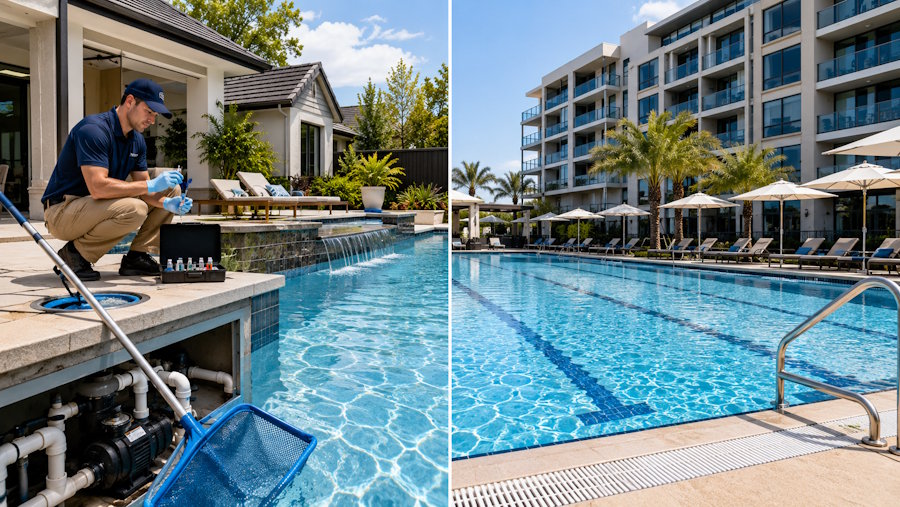
Introduction to Modern Pool Management
Swimming pools are no longer just luxury additions; they have become essential features in residential homes, hotels, resorts, fitness centers, and recreational facilities. However, owning a pool is not just about enjoyment it comes with ongoing responsibilities that ensure safety, cleanliness, and structural longevity. This is where the expertise of a professional pool contractor becomes essential.
A pool requires consistent attention, chemical balancing, equipment maintenance, and seasonal care. Without proper management, water quality can deteriorate quickly, leading to health risks and costly repairs. Many property owners rely on expert services to ensure their pools remain in optimal condition throughout the year.
One of the most important aspects of this upkeep is pool maintenance, which includes routine cleaning, filtration system checks, water treatment, and inspection of structural components. Proper maintenance not only extends the lifespan of the pool but also enhances user safety and experience.
Role of a Pool Contractor in Modern Construction and Maintenance
A pool contractor is a trained professional responsible for designing, constructing, and maintaining swimming pools. Their expertise goes beyond basic installation—they ensure that every element, from plumbing systems to filtration units, functions efficiently.During the construction phase, a pool contractor evaluates site conditions, soil stability, drainage systems, and design preferences. They help property owners choose materials, shapes, and features that align with both aesthetics and functionality.After construction, their role continues in ongoing care and troubleshooting. Many homeowners underestimate the complexity involved in maintaining a pool system. This is why working with a skilled pool contractor ensures long-term reliability and reduces unexpected repair costs.In addition to technical knowledge, contractors also provide guidance on chemical balance, energy-efficient equipment, and water conservation practices. Their involvement ensures that pools remain safe, sustainable, and visually appealing.
Importance of Regular Pool Maintenance
Routine care is the backbone of a healthy swimming pool. Without it, algae buildup, bacteria growth, and equipment failure can occur. This makes pool maintenance a critical responsibility for every pool owner.Maintenance tasks typically include skimming debris from the water surface, vacuuming the pool floor, brushing walls, and checking filtration systems. Chemical balancing is another essential component, ensuring that chlorine levels, pH, and alkalinity remain within safe ranges.Neglecting these tasks can lead to cloudy water, unpleasant odors, and potential health hazards. In extreme cases, poor maintenance can damage the pool structure itself, leading to expensive repairs.A professional pool contractor often recommends scheduled maintenance plans tailored to the pool’s size, usage, and environmental conditions. These plans ensure consistent care and reduce the burden on property owners.
Key Components of Effective Pool Maintenance Systems
Effective pool maintenance involves more than just cleaning. It requires a structured approach that includes several interconnected systems working together.The filtration system is the heart of any pool. It removes dirt, debris, and microscopic particles from the water. Regular cleaning and backwashing of filters are essential to maintain efficiency.Balanced water chemistry prevents algae growth and protects swimmers from irritation. Professionals test and adjust chlorine, pH, calcium hardness, and stabilizer levels regularly.Proper water circulation ensures even distribution of chemicals and prevents stagnation. Pumps and jets must be inspected frequently to ensure smooth operation.Cracks, leaks, and surface wear can develop over time. A pool contractor regularly inspects these issues to prevent long-term damage.
Why Hiring Professionals Makes a Difference
Many pool owners attempt DIY maintenance, but without proper knowledge, it can lead to mistakes that affect water quality and equipment lifespan. Hiring a professional pool contractor ensures that every aspect of pool care is handled correctly.Professionals bring experience, tools, and technical understanding that go beyond basic cleaning. They can identify early signs of damage, recommend cost-effective solutions, and optimize system performance.Additionally, professional pool maintenance services save time and effort for homeowners. Instead of worrying about chemical levels or equipment issues, owners can simply enjoy their pool.
Seasonal Pool Care and Its Challenges
Pools require different care strategies depending on the season. In warmer months, increased usage leads to higher levels of contamination and chemical imbalance. During colder months, pools may require winterization to prevent freezing damage.A skilled pool contractor understands these seasonal variations and adjusts maintenance schedules accordingly. This ensures that the pool remains protected year-round.For example, in summer, frequent pool maintenance is necessary due to heavy usage and evaporation. In winter, covering systems and reduced chemical treatment help preserve water quality and prevent damage.
Common Pool Problems and Their Solutions
Even well-maintained pools can develop issues over time. Some of the most common problems include:Caused by improper chemical balance or poor circulation. Regular cleaning and shock treatments help resolve this issue.Often due to filtration problems or incorrect pH levels. A pool contractor can quickly diagnose and fix the cause.Leaks can occur in plumbing or pool structure. Early detection is crucial to avoid water loss and structural damage.Pumps, heaters, and filters may wear out over time. Routine inspections help identify issues before they become serious.Consistent pool maintenance is the most effective way to prevent these problems from escalating.
Energy Efficiency in Pool Systems
Modern pools are increasingly designed with energy efficiency in mind. Variable-speed pumps, solar heating systems, and LED lighting help reduce energy consumption and operational costs.A professional pool contractor can recommend and install energy-efficient systems that align with environmental standards. These upgrades not only reduce electricity bills but also contribute to sustainability efforts.Proper pool maintenance also plays a role in energy efficiency. Clean filters and balanced systems require less energy to operate, improving overall performance.
Safety Standards and Regulations
Safety is a critical aspect of pool ownership. Regulations often require fencing, alarms, anti-slip surfaces, and proper drainage systems. A qualified pool contractor ensures that all safety standards are met during construction and maintenance.Regular inspections help identify potential hazards such as loose tiles, faulty equipment, or chemical imbalances. Ensuring compliance with safety guidelines protects both users and property owners.Ongoing pool maintenance also contributes to safety by keeping water clean and equipment functional.
Cost Factors in Pool Construction and Maintenance
The cost of owning a pool varies depending on size, materials, and usage patterns. While initial construction can be expensive, long-term maintenance is equally important.Hiring a professional pool contractor may seem like an added expense, but it often results in long-term savings by preventing costly repairs and improving efficiency.Similarly, scheduled pool maintenance helps avoid emergency repairs and extends the life of pool components. Investing in regular care is more economical than dealing with major breakdowns.
Technological Advancements in Pool Care
Technology has transformed the way pools are managed. Automated cleaning systems, smart chemical monitors, and remote-controlled pumps have simplified maintenance processes.These innovations allow pool owners to monitor water quality and equipment performance through mobile applications. A modern pool contractor often integrates these systems into new installations for better efficiency.Even with automation, professional pool maintenance remains essential to ensure systems function correctly and to address issues that technology alone cannot resolve.Water conservation and eco-friendly practices are becoming increasingly important in pool management. Efficient filtration systems, reduced chemical usage, and recycling technologies help minimize environmental impact.A responsible pool contractor designs systems that prioritize sustainability without compromising performance. Eco-friendly pool maintenance practices also help reduce water waste and chemical pollution.
Conclusion
Swimming pools require continuous care, technical knowledge, and proper management to remain safe, functional, and visually appealing. From construction to daily upkeep, the role of a professional pool contractor is essential in ensuring long-term success.Routine pool maintenance is not just a recommendation but a necessity for preserving water quality, preventing damage, and enhancing user experience. Whether it is chemical balancing, equipment inspection, or seasonal care, consistent attention ensures optimal performance.By combining professional expertise with regular maintenance practices, pool owners can enjoy clean, safe, and efficient swimming environments for years to come.

