

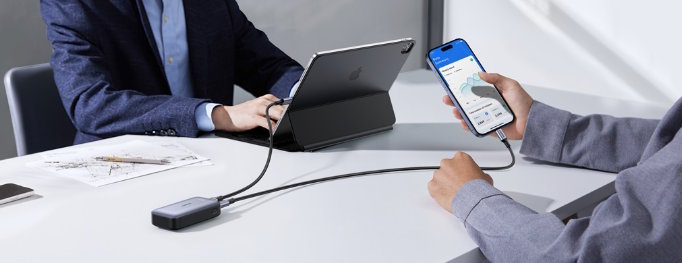
Modern life comes with a growing collection of devices. A phone, laptop, tablet, smartwatch, wireless earbuds, portable speaker, and sometimes even a handheld gaming device may all need power during the same day. As a result, charging is no longer just about finding an outlet. It is about building a setup that is fast, organized, safe, and easy to use.
For many users, the choice comes down to two options: using one powerful charger or setting up a dedicated charging station. A single charger can be compact and travel-friendly, while a charging station can keep multiple devices powered in one place. Both options have clear benefits, but they serve different routines. The better choice depends on where you charge most often, how many devices you use, and whether speed or convenience matters more to you.
Why One Charger Appeals to Modern Users
A single high-quality charger is attractive because it keeps things simple. Instead of carrying several adapters, you can use one compact charger for your phone, tablet, laptop, and accessories. This is especially useful for people who travel, commute, work from different locations, or prefer a minimal setup.
The main advantage is portability. A powerful USB-C charger can replace multiple older wall chargers, reducing the number of items in your bag. If it has multiple ports, it can charge more than one device at the same time. For example, you might charge a laptop through one USB-C port and a phone through another.
This type of setup also helps reduce clutter. Instead of having several charging bricks spread across your desk or nightstand, one charger can handle most of the work. For people who value a clean workspace or travel light, this can be a major benefit.
However, one charger is not perfect for every situation. If several devices need to charge at once, power may be divided between ports. This means your laptop may charge more slowly when your phone and earbuds are also connected. You also need to make sure the charger supports the right wattage for your devices.
When a Charging Station Makes More Sense
A charging station is better for users who charge many devices in the same place every day. It creates a dedicated spot for phones, watches, earbuds, tablets, and other accessories. Instead of searching for cables around the house, everything has one place to return to.
This is especially useful for families, home offices, shared desks, and nightstands. A charging station can help prevent messy cables, missing adapters, and crowded outlets. It also makes daily routines easier. You can place your phone, watch, and earbuds on the station before bed and wake up with everything ready.
A charging station is also more convenient for devices that use wireless charging. For example, a phone can sit on a magnetic charging pad, earbuds can rest on a wireless charging base, and a smartwatch can connect to its own charging spot. This setup feels more natural for users who want to drop devices into place rather than plug and unplug cables several times a day.
The downside is that charging stations are less portable. They are usually designed to stay in one place. If you travel often, you may still need a separate compact charger for your bag. Some charging stations may also charge more slowly than a direct wired connection, depending on their design and power input.
Charging Speed: One Charger Usually Wins
If charging speed is the top priority, a single powerful USB-C charger often performs better. Wired charging is generally more efficient and can deliver higher power to laptops, tablets, and phones. This matters when you have limited time and need to quickly bring a device back to a usable battery level.
For example, if your laptop battery is low before a meeting, a strong USB-C charger can be much more useful than a wireless charging station. The same applies when your phone is nearly dead and you only have 15 or 20 minutes to charge it. Fast wired charging can make a noticeable difference.
This is where choosing the best usb c charger becomes important. A good charger should offer enough wattage for your highest-power device, support safe power distribution, and include the right port combination for your routine. If you own a laptop, a 30W phone charger may not be enough. If you only charge a phone and earbuds, a smaller charger may work fine.
Charging stations are usually better for steady charging rather than urgent charging. They are great for overnight use, desk use, or keeping devices topped up throughout the day. But when speed matters, wired charging still has the advantage.
Convenience: Charging Stations Feel More Natural at Home
While one charger may be faster, a charging station often wins in convenience. At home or in the office, people do not always want to connect cables every time they sit down. A station makes charging part of the environment.
This is especially true for wireless and magnetic charging. A Magsafe Charger can make phone charging feel effortless because users only need to place the phone in the right spot. It is useful on a desk, nightstand, or kitchen counter where the phone is picked up and put down often.
A charging station also helps build better charging habits. Devices are less likely to be forgotten, cables are less likely to disappear, and the space feels more organized. For users who have several small devices, such as earbuds and smartwatches, this convenience can matter more than charging speed.
Still, convenience depends on design. A poorly arranged station can become just as messy as loose cables. A good setup should have enough space between devices, stable charging positions, and proper cable management.
Travel Use: One Charger Is Easier to Pack
For travel, one charger is usually the better choice. A compact multi-port USB-C charger can replace multiple adapters and reduce luggage weight. It can also work in hotels, airports, cafés, and coworking spaces where outlet access may be limited.
Travelers often need flexibility. One day they may need to charge a laptop and phone at the same time. Another day they may only need to top up earbuds or a tablet. A powerful single charger with the right cables can adapt to different situations.
A charging station can still be useful for longer trips, especially if it folds flat or supports multiple wireless devices. But for most travel, it adds bulk and may not be as flexible as a smaller wall charger.
The best travel setup is often simple: one multi-port USB-C charger, one or two quality cables, and maybe a compact magnetic charger for phone convenience. This gives users both speed and flexibility without overpacking.
Desk Setup: Charging Stations Help Reduce Clutter
For a permanent desk setup, a charging station can be the better choice. Many people now use their desk for work, calls, entertainment, and device storage. A charging station gives each device a clear place and helps keep cables away from the main workspace.
This is helpful for people who use a laptop during the day but also need to keep a phone, earbuds, and smartwatch charged. Instead of plugging everything into random outlets, a station can centralize the setup.
However, a desk setup may still need one strong wired charger. A laptop usually requires more power than wireless charging can provide. For this reason, many people benefit from a hybrid setup: a high-power USB-C charger for the laptop and a charging station for smaller devices.
This balance often works better than relying completely on one option.
Cost and Long-Term Value
Cost is another factor to consider. A single charger is usually less expensive than a full charging station, especially if you only need to charge one or two devices. It is also easier to replace or upgrade.
Charging stations can cost more because they include multiple charging areas, stands, wireless coils, or device-specific charging modules. But they may offer better long-term value if they reduce clutter and make daily charging easier.
The right value depends on your device mix. If you only use a phone and laptop, a single charger may be enough. If you use a phone, watch, earbuds, tablet, and work laptop, a station may feel more practical over time.
Which One Should You Choose?
Choose one charger if you value speed, portability, and flexibility. This option works best for travelers, students, remote workers, and anyone who wants to carry less. It is also better if you need fast charging for laptops or tablets.
Choose a charging station if you value organization, convenience, and a fixed charging spot. This is better for home offices, nightstands, family spaces, and users with several small devices.
For many people, the best answer is not one or the other. A hybrid setup may work best. Use the best usb c charger for fast wired charging and travel, then use a charging station or Magsafe Charger at home for daily convenience.
Final Thoughts
Modern devices need more thoughtful charging solutions than they used to. One powerful charger can simplify travel and deliver faster charging, while a charging station can make daily life cleaner and more organized.
The right choice depends on your routine. If you move around often, one compact charger may be the smarter option. If you charge several devices in the same place every day, a charging station may save time and reduce clutter.
Instead of asking which option is universally better, it is more useful to ask where your charging problems happen most often. Once you understand that, choosing between one charger and a charging station becomes much easier.

