

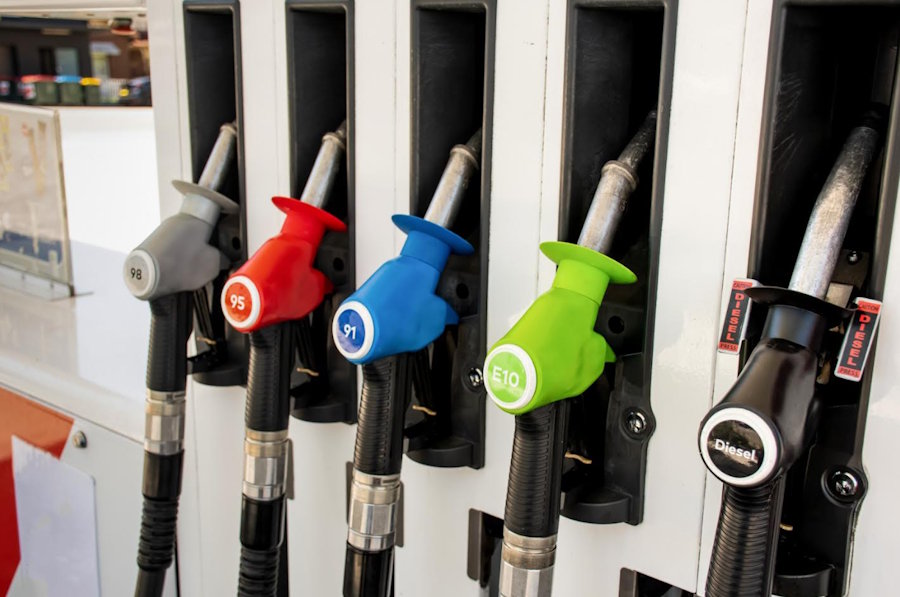
Businesses with company vehicles need a reliable way to manage fuel purchases and other transportation-related expenses. Although both fleet cards and standard business credit cards can be used for eligible company purchases, they are designed for different purposes.
Understanding the differences between these payment methods can help businesses select a solution that aligns with their operational requirements, spending controls, and expense management processes. Organizations researching dedicated vehicle payment options can also explore fleet card solutions.
What Is a Fleet Card?
A fleet card is a payment card designed specifically for businesses that operate company vehicles. Fleet cards are commonly used to purchase fuel and, depending on the provider and card program, may also cover approved vehicle-related expenses such as maintenance, repairs, or roadside services.
In addition to processing payments, fleet cards often provide tools that help organizations monitor fuel transactions, control driver spending, and maintain detailed vehicle expense records.
What Is a Standard Business Credit Card?
A standard business credit card is designed for a wider range of company expenses. It can typically be used for purchases such as:
- Office supplies
- Business travel
- Software subscriptions
- Client meals
- Marketing expenses
- General operating costs
Because standard credit cards are intended for general business spending, they usually offer more purchasing flexibility than fleet cards. However, they may not provide the same vehicle-specific reporting and control features.
Fleet Cards vs. Standard Credit Cards: Key Differences
Primary Purpose
One of the main differences between fleet cards and standard credit cards is their intended use.
Fleet cards focus primarily on fuel and other approved vehicle-related expenses. This specialization helps businesses separate transportation costs from other operating expenses.
Standard business credit cards support a much broader range of purchases and are not limited to a particular spending category.
Transaction and Expense Tracking
Expense tracking is particularly important for businesses managing multiple drivers or vehicles.
Fleet card transactions may include detailed information such as:
- Purchase date and time
- Fuel station or merchant location
- Total transaction amount
- Driver or vehicle identification, when available
- Fuel type
- Fuel quantity
- Price per unit
This additional data can help fleet managers identify spending patterns, review fuel consumption, and associate purchases with specific drivers or vehicles.
Standard credit cards also record transaction information, but the level of detail can vary depending on the card issuer and merchant. Businesses may need to manually categorize vehicle-related purchases during bookkeeping.
Spending Controls
Many fleet card programs allow businesses to establish vehicle-specific purchasing rules and spending limits.
Depending on the provider, organizations may be able to:
- Restrict purchases to fuel or approved vehicle expenses
- Set daily, weekly, or per-transaction limits
- Limit purchases by time of day or day of the week
- Assign cards to specific drivers or vehicles
- Restrict purchases by merchant or location
- Monitor activity across the entire fleet
Standard business credit cards may also provide employee spending limits and account alerts. However, their controls are generally designed for broad business spending rather than fleet-specific expense management.
Reporting Features
Managing expense records can become increasingly complex as a fleet grows.
Fleet cards often include centralized reporting tools that organize fuel purchases and other eligible vehicle expenses. These reports may help businesses:
- Review fuel spending trends
- Compare expenses across vehicles
- Identify unusual transactions
- Monitor driver purchasing behavior
- Simplify internal expense reconciliation
Standard credit cards generally provide monthly statements and transaction histories. While these records are useful for general accounting, additional categorization may be necessary to isolate fleet-related expenses.
Vehicle Expense Management
Businesses operating multiple vehicles often need to keep transportation expenses separate from other company costs.
Fleet cards are designed to support this separation by placing fuel and eligible vehicle purchases into dedicated reports or accounts. This can make it easier to evaluate the cost of operating individual vehicles or the fleet as a whole.
Standard credit cards may combine transportation purchases with office supplies, travel, meals, subscriptions, and other expenses. As a result, accounting teams may need to spend more time reviewing and categorizing transactions.
Security and Fraud Prevention
Both fleet cards and standard credit cards generally include measures designed to reduce unauthorized use.
Fleet card programs may offer controls tailored to vehicle operations, including:
- Restrictions on eligible purchase categories
- Driver identification requirements
- Vehicle or odometer information prompts
- Transaction limits
- Real-time purchase alerts
Standard credit cards typically rely on general security features such as fraud monitoring, account notifications, card controls, and transaction dispute procedures.
Purchasing Flexibility
Standard business credit cards generally offer greater flexibility because they can be used for many types of business purchases.
Fleet cards may have more limited acceptance or may restrict transactions to fuel stations, vehicle service providers, and other approved merchants. These restrictions can reduce flexibility, but they can also help businesses maintain tighter control over transportation spending.
Advantages of Fleet Cards
A fleet card may provide several benefits for businesses that operate company vehicles:
- Dedicated tracking of fuel and vehicle expenses
- Driver- or vehicle-level transaction data
- Customizable spending restrictions
- Centralized fleet expense reporting
- Reduced need for manual transaction categorization
- Improved visibility into fuel purchasing activity
Advantages of Standard Business Credit Cards
A standard business credit card may be more appropriate for companies that need a flexible payment method for different operating expenses.
Potential advantages include:
- Broader merchant acceptance
- Support for multiple expense categories
- Convenient payment management through one account
- Employee card options
- General expense reports and account alerts
Which Option Is Better for Your Business?
The most appropriate payment method depends on the company’s size, vehicle usage, purchasing requirements, and accounting processes.
A fleet card may be suitable for a business that:
- Operates multiple company vehicles
- Employs several drivers
- Wants to monitor fuel purchases closely
- Needs vehicle-specific spending controls
- Wants dedicated fleet expense reports
A standard business credit card may be suitable for a company that:
- Has only one or two vehicles
- Needs a card for many types of business purchases
- Values broad merchant acceptance
- Does not require detailed fuel or vehicle reporting
Can a Business Use Both?
Some organizations use both fleet cards and standard business credit cards.
For example, a company may use fleet cards for fuel, maintenance, and other approved vehicle expenses while using standard credit cards for office supplies, travel, software, and general business purchases.
This approach can help separate expense categories, improve reporting accuracy, and give employees access to the payment method that best matches each type of purchase.
Final Thoughts
Fleet cards and standard credit cards both play valuable roles in business expense management, but they serve different purposes.
Fleet cards focus on fuel and vehicle-related purchases and often include specialized tools for transaction tracking, reporting, driver management, and spending oversight. Standard business credit cards provide broader purchasing flexibility for everyday operating expenses.
By evaluating vehicle usage, reporting requirements, spending controls, and purchasing needs, businesses can choose the payment option—or combination of options—that best supports their day-to-day operations.

