


Roblox games often begin with a simple communication loop. A player presses a button, the client sends a request, and the server responds. As the experience grows, that exchange starts handling combat, purchases, trading, rewards, and progression. Remote events enable these systems, yet they also create a major Roblox security risk. If a remote is poorly protected, an exploiter may alter its arguments, repeat valuable actions, or interfere with the economy. Every client request should therefore be treated as untrusted until the server proves it is valid.
Why Remote Events Attract Exploiters?
When developers study scripting resources such as Blox Paste, community examples, and references, they can better understand how communication flows between the client and server. That knowledge helps expose unsafe patterns early. Remote events attract exploiters because they connect input to valuable server actions. A shop button may send an item name, a combat script may send a target and damage value, and a reward interface may request currency. If the server accepts these requests without checking them, an exploiter can change the values or fire the same request repeatedly.
A secure game must remember that the client belongs to the player. Local scripts, disabled buttons, and visual cooldowns can all be bypassed. An exploiter does not need to use the interface when the remote can be called directly. The client should communicate intention, while the server decides what is allowed.
Understanding Filtering Enabled
Filtering is enabled to separate local client changes from the authoritative state controlled by the server. In modern Roblox experiences, a local change generally does not replicate to the server or other players unless the server performs it. If someone inserts a weapon through a local exploit, it may appear on their screen, but the server should not recognise it as genuine.
This prevents many forms of direct replication abuse, but it does not automatically secure remote events. A malicious player can still call a legitimate remote with dishonest arguments. Filtering enabled limits unauthorised local changes, while remote validation protects the server from false requests. Both are essential, but they solve different problems.
How Client and Server Replication Works?
The client handles input and presentation. It controls the camera, displays menus, plays local effects, and provides quick feedback. The server controls the game’s shared truth. Currency, inventory, damage, rewards, trades, and persistent progress should be decided there because they affect valuable data.
Imagine that a player wants to buy a sword. The client should send only the item identifier. The server checks that the sword exists, confirms the requirements, reads its official price, verifies the balance, removes the correct amount, and grants it. The client should never send the final balance, official price, or confirmation that the purchase succeeded. That separation is the foundation of server authority.
Never Let the Client Decide Important Values

A common mistake is allowing the client to provide important numbers. A local weapon script may report that a target took 50 damage, but an exploiter could change that value to 50,000. A safer design sends the target and weapon information, while the server calculates damage from trusted configuration data. It should also check weapon ownership, target distance, cooldowns, and character state.
The same rule applies to purchases, rewards, quests, and progression. The client should never decide how much currency to award, how expensive an item is, or whether a quest is complete. Important values must come from trusted server logic.
Validate Every Remote Argument
Remote validation begins with type checking. If the server expects a string, it should confirm that a string was received. If it expects an instance, the server should verify that the object exists in the correct part of the hierarchy. Tables need extra attention because they may contain missing fields or excessive data.
Type checks alone are not enough. The server must also confirm that the request makes sense. A valid item name is suspicious if the player has not unlocked it, while a valid character instance is dangerous if the target is too far away. Ownership, distance, permissions, progression, match state, cooldowns, and previous rewards should be considered. Invalid requests can be rejected quietly, while repeated abuse may be logged.
Add Server-Side Rate Limits
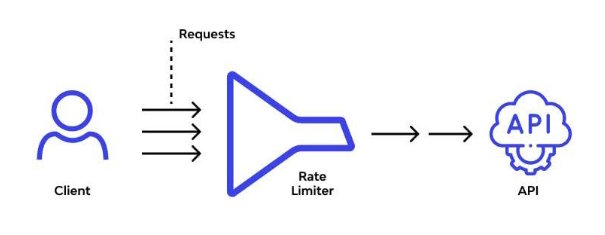
Even valid remote calls can become harmful when sent too quickly. An exploiter may fire an ability hundreds of times per second, flood a purchase system, or repeatedly trigger an expensive calculation. Rate limiting protects performance and balance by restricting how often the server accepts an action from each player.
A simple system can store the last accepted request time and ignore calls that arrive too soon. Different mechanics need different limits. A weapon might allow several requests each second, while a daily reward should only succeed once during its intended period. Client cooldowns improve presentation, but the server must enforce the real timing rules.
Protect the Game Economy at Its Source
A damaged Roblox economy can be difficult to repair. Once duplicated items or currency spread through trading, innocent players may receive exploited assets. Currency changes should remain on the server and pass through a small number of trusted functions. Developers should use a central system for earnings, purchases, refunds, rewards, and transfers.
Every transaction should verify the player, amount, reason, and account state. Large or unusual transfers can be logged for review. Trading systems should recheck both inventories immediately before completing an exchange because an item may have changed while the trade window was open. Persistent data should only save verified server state, since unsafe values can turn a temporary exploit into permanent damage.
Use Remote Functions Carefully
Remote functions are useful when an immediate response is needed, but the server should avoid relying on information returned by a client. The player’s device may respond slowly, return false data, or fail to answer. Important systems should calculate results on the server whenever possible. When remote functions are necessary, their responses need the same validation as other client-supplied information.
Test Like an Exploiter
Security testing should include abnormal requests rather than only normal gameplay. Fire remotes in the wrong order, send impossible values, target distant objects, repeat calls rapidly, and request actions without permission. Roblox Studio’s client and server testing tools can reveal which side owns each decision and whether the server performs enough checks.
Review every remote and document what the client sends, what the server validates, and what the server changes. Any event that directly awards currency, accepts client supplied damage, or trusts a client-provided price deserves immediate attention. Building security into the design from the beginning is easier than repairing a live economy after an exploit spreads.
Conclusion
Remote events are not dangerous by themselves. Their safety depends on the authority given to the client and the checks performed by the server. A protected Roblox game allows players to request actions while keeping valuable decisions server side. It validates arguments, calculates important values independently, checks game state, limits request frequency, protects persistent data, and records suspicious behaviour.
Exploiters may control what happens on their own device, but they should never control the truth of the game. When server authority becomes the foundation of the experience, remote events remain useful communication tools instead of becoming shortcuts into your economy.

