

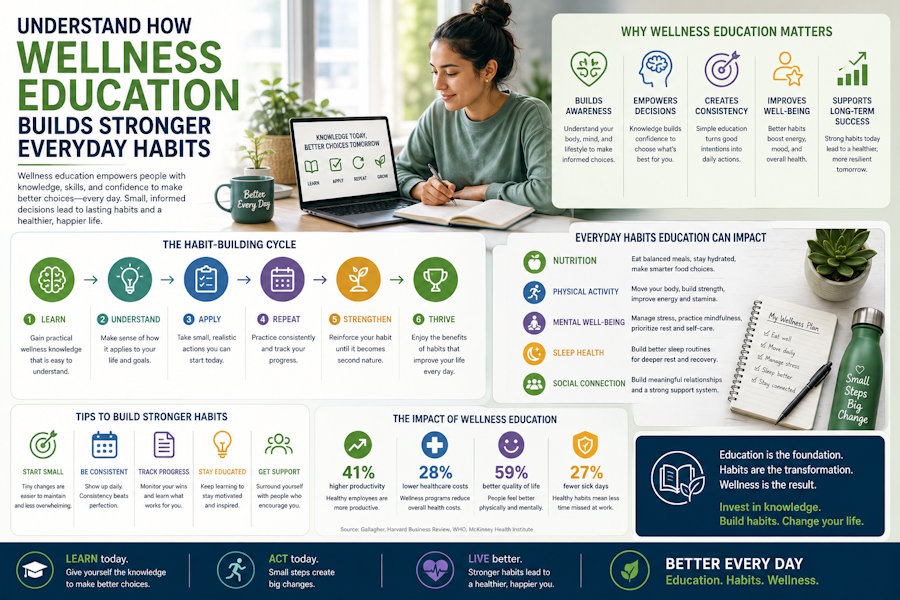
Most people associate wellness with exercise routines, balanced meals, or occasional meditation. While these habits are important, lasting well-being often begins with understanding why certain choices influence physical and mental health. This is why interest in the best wellness training programs has grown among individuals looking for structured learning rather than scattered advice.
Wellness education is no longer limited to healthcare professionals or fitness experts. It has become relevant for students, working professionals, business owners, and anyone hoping to build healthier routines. Instead of offering quick solutions, structured learning encourages gradual lifestyle improvements that are easier to maintain over time.
The growing popularity of wellness education reflects a simple idea: informed decisions usually lead to healthier lives.
Learning Beyond Health Tips
Reading articles or watching videos can introduce useful ideas, but they rarely provide a complete understanding of wellness. People often receive conflicting advice about nutrition, stress management, sleep, and exercise, leaving them unsure which methods truly work.
Structured wellness education brings these topics together into a connected learning experience. Instead of treating health as separate subjects, learners begin understanding how daily habits influence one another.
For example, better sleep improves concentration, which supports productivity and reduces stress. Likewise, emotional well-being often affects eating habits, physical activity, and social relationships. Understanding these connections helps learners create realistic lifestyle improvements instead of isolated changes.
Building Knowledge Through Daily Experiences
One reason wellness education is becoming more effective is its connection to everyday life. Lessons are often designed around situations people experience regularly rather than abstract theories.
Learners may explore how workplace pressure affects sleep quality, how digital habits influence mental focus, or how small routine changes improve long-term health. These examples make learning relatable because they connect directly with daily experiences.
Instead of memorizing concepts, learners begin observing their own habits and identifying areas that need improvement. This practical approach encourages gradual behavioral change rather than temporary enthusiasm.
Wellness As A Long Term Journey
Many people expect immediate results when they begin improving their health. Wellness education teaches a different perspective by emphasizing consistency over speed.
Healthy routines develop gradually through repeated actions rather than dramatic lifestyle changes. Learning this principle helps individuals become more patient with their progress.
Rather than focusing only on short-term goals, learners begin appreciating the value of sustainable habits. They understand that long-lasting wellness comes from maintaining balance over months and years instead of seeking instant outcomes. This mindset often reduces frustration and encourages continuous self-improvement.
Developing Better Decision Making Skills
Every day involves choices that affect health. Decisions about food, sleep, movement, work schedules, and emotional responses all contribute to overall well-being.
Wellness education strengthens decision-making by helping individuals understand the consequences of these everyday choices. Instead of reacting automatically, learners begin evaluating situations more thoughtfully.
For instance, recognizing the connection between stress and unhealthy eating habits allows individuals to respond differently during demanding periods. Small changes in awareness often produce significant improvements over time. This ability to make informed decisions becomes one of the most valuable outcomes of structured wellness learning.
Digital Learning Expanding Wellness Access
Technology has transformed how people gain new knowledge, and wellness education is no exception. Learners no longer need to attend physical classrooms to develop practical wellness skills.
Today, online wellness training courses allow individuals to study from home while balancing work, family responsibilities, or academic commitments. Flexible schedules make learning accessible to people who previously found professional education difficult to manage.
Digital platforms also allow learners to revisit lessons whenever necessary, making it easier to reinforce important concepts and maintain steady progress throughout the learning journey.
Practical Learning Encouraging Lasting Change
The most valuable wellness education focuses on practical application rather than information alone. Knowing about healthy habits is different from consistently practicing them.
Structured programs often encourage learners to apply concepts immediately through daily routines, self-observation, and guided activities. These experiences help bridge the gap between knowledge and action.
As individuals practice healthier behaviors repeatedly, those actions become natural habits instead of temporary efforts. This practical emphasis increases the likelihood of maintaining positive changes over the long term. Learning becomes meaningful because it produces visible improvements in everyday life.
Creating Confidence Through Structured Learning
Many people hesitate to improve their lifestyle because they feel overwhelmed by conflicting health advice. Structured education removes much of this uncertainty by presenting information in a logical sequence.
Each lesson builds upon previous knowledge, helping learners understand not only what to do but also why those actions matter.
This gradual progression builds confidence. Instead of following trends, individuals begin making independent choices based on clear understanding. Confidence also encourages consistency because learners trust the process they are following.
Wellness Education Supporting Professional Growth
The value of wellness education extends beyond personal health. Many workplaces now recognize that employee well-being contributes to productivity, teamwork, and long-term performance.
Professionals who understand stress management, emotional resilience, and healthy work habits often perform more effectively in demanding environments.
As organizations increasingly support employee well-being, many individuals are exploring the best wellness training programs to strengthen both personal development and professional capabilities. These learning experiences help participants develop transferable skills such as resilience, communication, self-awareness, and adaptability that benefit multiple aspects of life.
Preparing For Lifelong Healthy Habits
Wellness education is not designed to solve temporary problems. Instead, it provides knowledge that continues supporting healthier choices throughout different stages of life.
As responsibilities change, individuals can adapt the principles they have learned to new personal and professional situations. Whether managing workplace stress, maintaining family health, or improving daily routines, wellness education offers practical guidance that remains relevant over time.
This long-term value distinguishes structured learning from short-lived trends that often disappear quickly. Continuous learning also encourages regular self-reflection, helping individuals adjust their habits as their needs evolve.
Conclusion
Wellness education offers far more than health information. It provides practical understanding that helps individuals build healthier routines, improve decision-making, and develop sustainable habits that support long-term well-being.
As interest in online wellness training courses continues to grow, learners are recognizing the value of structured education that combines knowledge with practical application. For those seeking guided learning experiences that encourage lasting personal and professional growth, organizations like CCS Learning Academy continue to contribute by offering programs that support meaningful wellness education.

