

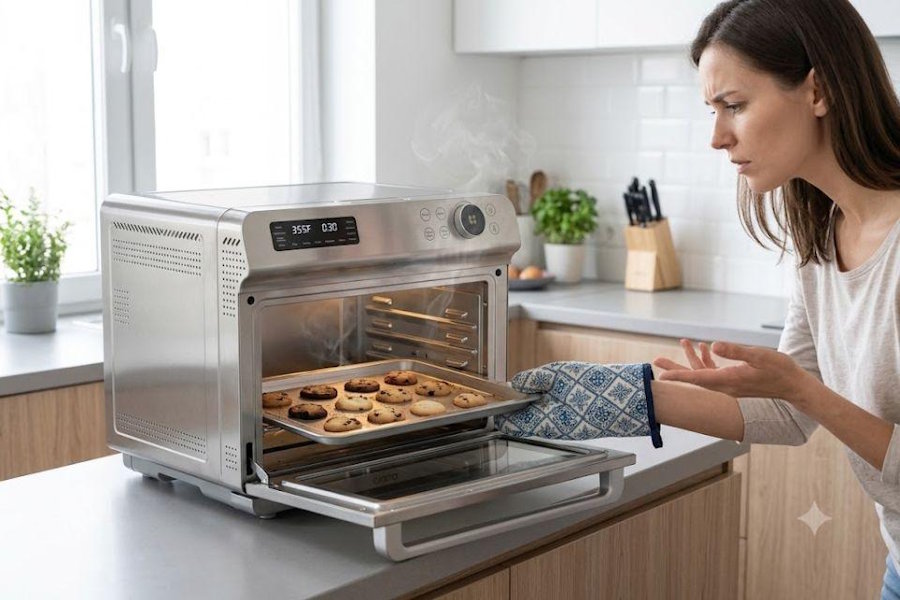
Countertop ovens make everyday cooking faster and more convenient, but like any kitchen appliance, they can develop problems over time. A slight burning smell, uneven cooking, or longer preheating may seem minor at first, yet these early warning signs often indicate issues that become more expensive if left unaddressed. Recognizing problems early not only helps maintain consistent cooking performance but can also extend the appliance's lifespan and reduce unnecessary repair costs.
In this guide, you'll learn about the most common countertop oven problems, their likely causes, practical troubleshooting steps, and simple maintenance habits that help prevent future issues. Whether you're dealing with inconsistent temperatures or a malfunctioning fan, understanding the basics can help you make informed decisions before the problem gets worse.
Quick Answer: The most common countertop oven problems include failure to turn on, poor heating, uneven cooking, burning odors, smoke, inaccurate temperatures, faulty fans, door issues, unresponsive controls, and slow cooking performance. Many of these issues can be minimized through routine cleaning, proper maintenance, and timely troubleshooting.
Quick Diagnosis Guide
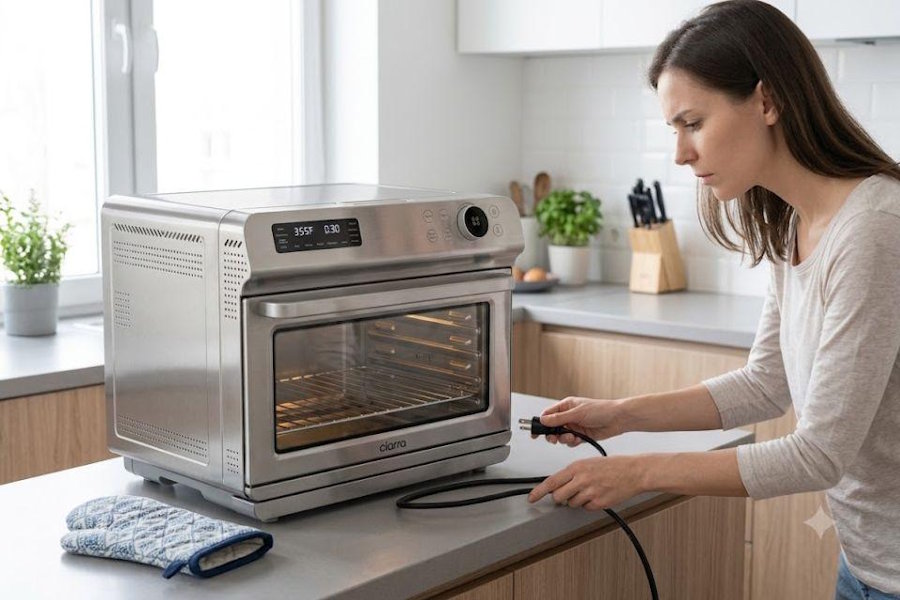
Use the table below as a starting point to identify the most likely cause of your countertop oven issue before moving on to the detailed troubleshooting sections later in this guide.
|
Problem |
Possible Cause |
First Step |
|
Won't turn on |
Power supply or damaged cord |
Check the outlet and power cord |
|
Not heating |
Heating element or thermostat |
Inspect the heating element |
|
Uneven cooking |
Poor airflow or dirty interior |
Clean the oven and reposition food |
|
Burning smell |
Grease or food residue |
Clean the interior thoroughly |
|
Fan not working |
Obstruction or motor issue |
Check for visible debris |
Before You Start Troubleshooting
Always unplug your countertop oven and allow it to cool completely before inspecting or cleaning any part of the appliance. Review the owner's manual for model-specific recommendations, as designs and components can vary between manufacturers. Avoid opening electrical panels or attempting repairs involving internal wiring unless you have the appropriate training. Never use excessive water around electrical components, and replace damaged power cords rather than trying temporary fixes. Following these basic safety practices helps protect both you and your appliance while ensuring troubleshooting is performed responsibly.
Why Countertop Ovens Develop Problems Over Time
Most countertop oven issues result from normal wear rather than sudden failure. Frequent heating and cooling cycles gradually stress internal components, while grease, crumbs, and food residue can interfere with airflow and heating performance. Dust accumulation around vents, blocked ventilation, overloaded cooking trays, and inconsistent cleaning habits may also reduce efficiency over time. Even well-maintained appliances experience gradual aging of components, including heating elements, thermostats, door seals, and cooling fans. Addressing small warning signs early and following a regular maintenance routine can help prevent minor issues from developing into more complex and costly repairs.
10 Common Countertop Oven Problems and How to Fix Them Before They Get Worse
1. Countertop Oven Won't Turn On
A countertop oven that won't power on is one of the most frustrating problems because it prevents you from using the appliance altogether. Before assuming a major failure, start with the basics. Check that the power cord is securely plugged into a working outlet, and test the outlet with another appliance to rule out a household electrical issue. Inspect the cord for visible damage, such as cuts, fraying, or burn marks, as these can interrupt power and create safety hazards.
If the outlet and cord appear normal, the problem may involve a blown internal fuse, a faulty power switch, or damaged internal wiring. These components should only be inspected by a qualified technician. Avoid repeatedly plugging and unplugging the appliance or attempting electrical repairs yourself, as doing so may cause further damage or increase the risk of injury.
2. Countertop Oven Isn't Heating Properly
If your countertop oven turns on but fails to reach the desired temperature, cooking results will likely suffer. Meals may take much longer to cook, or food may remain undercooked despite following the recommended settings. In many cases, the issue is caused by a worn heating element, an inaccurate thermostat, or a malfunctioning temperature sensor.
Begin by checking whether both the upper and lower heating elements glow evenly during operation. If one remains dark or heats inconsistently, it may need replacement. Also, make sure the oven has enough space around it for proper ventilation, as restricted airflow can affect heating efficiency. Allow the oven to preheat fully before placing food inside, and avoid opening the door frequently, since heat escapes each time it is opened.
3. Food Cooks Unevenly
Uneven cooking is another common complaint and often results in food that is overcooked on one side while remaining undercooked on the other. This problem is frequently linked to poor airflow inside the oven, overcrowded cookware, or accumulated grease that interferes with heat circulation.
To improve cooking consistency, avoid placing oversized baking dishes that block airflow around the food. Position cookware on the recommended rack level and rotate trays halfway through cooking when appropriate. Regularly cleaning the interior walls, racks, and crumb tray also helps heat circulate more evenly. If uneven cooking continues after cleaning and proper food placement, the heating element or convection system may require professional inspection.
4. Oven Temperature Doesn't Match the Setting
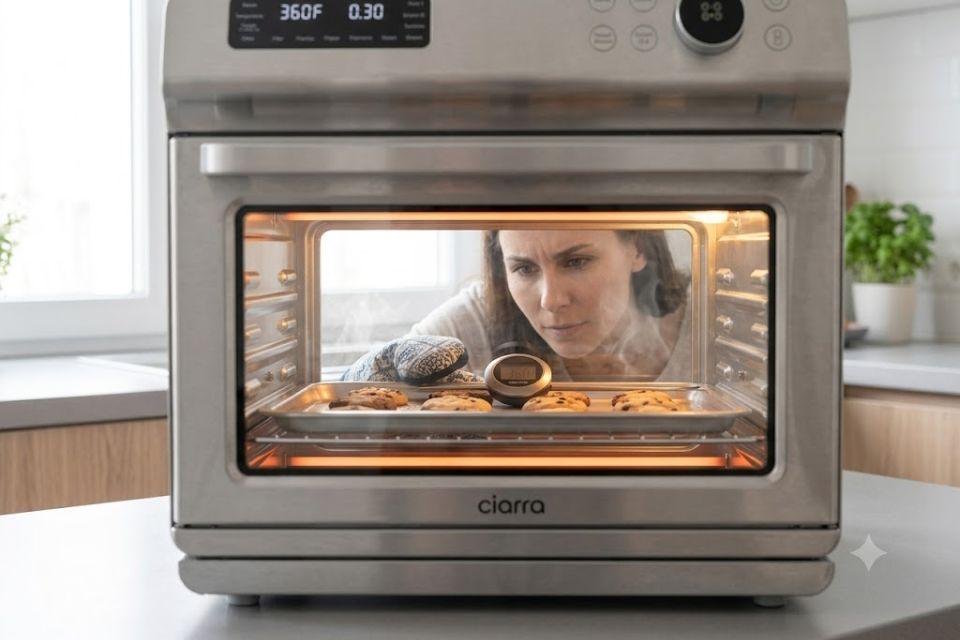
When an oven's actual temperature differs from the selected setting, recipes become difficult to follow and cooking times become unreliable. Gradual thermostat wear, sensor calibration issues, or normal component aging can all contribute to inaccurate temperatures over time.
A simple way to verify performance is by using an oven-safe thermometer. Compare the thermometer reading with the selected temperature after the oven has fully preheated. If there is a consistent difference, consult the owner's manual to see whether your model allows temperature calibration. Significant or persistent temperature inaccuracies, however, often indicate a faulty thermostat or sensor that should be evaluated by a qualified appliance repair professional.
5. Burning Smell During Cooking
A burning smell doesn't always indicate a serious malfunction, but it should never be ignored. In many cases, the odor comes from grease, food residue, or crumbs that have accumulated on the oven floor, racks, or heating elements. These deposits can burn each time the oven is used, affecting both cooking performance and indoor air quality.
Allow the appliance to cool completely before cleaning the interior with a soft cloth and a cleaner recommended by the manufacturer. Remove crumbs from the tray and inspect the heating elements for stuck food particles. However, if the smell resembles burning plastic or electrical wiring, stop using the oven immediately and have it inspected by a qualified technician.
6. Smoke Comes Out While Cooking
Seeing smoke from a countertop oven can be alarming, but the cause is often simple. Excess grease, spilled oil, sugary food drippings, or leftover residue from previous meals can produce smoke as temperatures rise. Regular cleaning greatly reduces this problem.
If smoke appears, turn off the oven, let it cool, and inspect the interior for burned residue. Clean the crumb tray, racks, and cooking chamber thoroughly before using the appliance again. Persistent smoke despite a clean interior may indicate overheating or an internal electrical issue, which requires professional diagnosis rather than continued use.
7. Oven Door Doesn't Close Properly
A door that doesn't seal completely allows heat to escape, making the oven less efficient and increasing cooking times. This problem may result from worn hinges, damaged door seals, food debris around the frame, or accidental impact that has affected door alignment.
Begin by cleaning the door edges and gasket to remove grease or crumbs that prevent a tight seal. Check for visible damage to the hinges or seal and replace worn components if recommended by the manufacturer. If the door remains loose or misaligned, professional repair is usually the safest solution to restore proper heat retention.
8. Convection Fan Stops Working
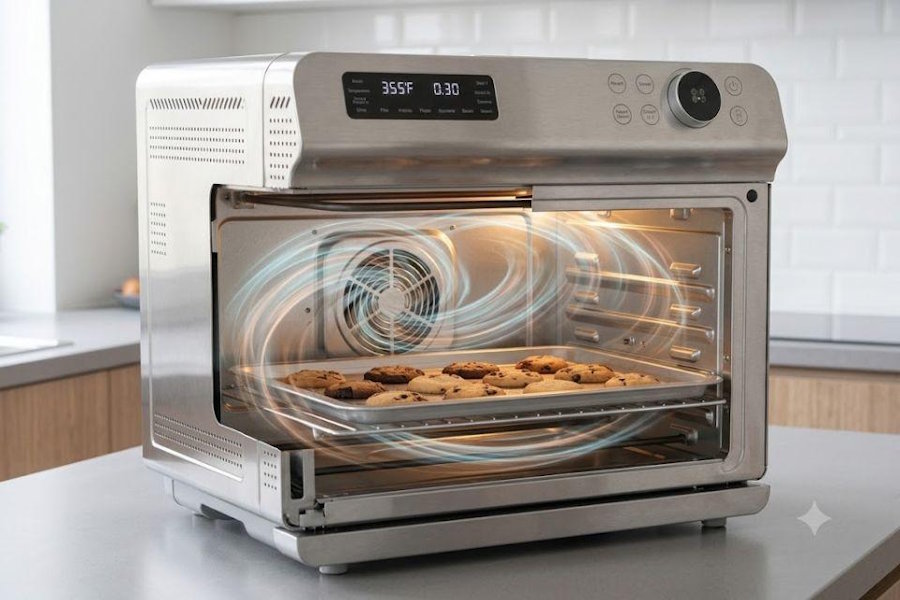
The convection fan helps circulate hot air for faster and more even cooking. If it stops working, you may notice uneven browning, inconsistent temperatures, or longer cooking times. Sometimes the issue is caused by grease buildup or debris blocking the fan blades, while older appliances may experience motor wear.
Regular cleaning around the fan area can help maintain proper airflow. These maintenance practices also apply to many modern countertop ovens, including the Ciarra Nosh Oven, where keeping the ventilation openings clear supports consistent cooking performance. If the fan still fails to operate after cleaning, the motor or internal electrical components should be inspected by a qualified technician.
9. Digital Controls or Display Stop Responding
Unresponsive buttons or a blank display can make the oven difficult or impossible to operate. Temporary software glitches, moisture exposure, or power surges may affect the control panel.
Try disconnecting the oven from power for several minutes before restarting it, as this may reset the system. If the display continues to malfunction, the control board or touch panel may require professional replacement.
10. Food Takes Longer Than Normal to Cook
When recipes consistently take longer than expected, the oven may not be maintaining the correct temperature. A weakening heating element, poor door seal, or inaccurate thermostat can all reduce cooking efficiency.
Confirm that the oven is fully preheated before cooking and avoid opening the door unnecessarily. If slow cooking persists despite proper use and cleaning, a professional inspection can help identify worn components before the problem becomes more costly.
Preventive Maintenance Tips to Extend the Life of Your Countertop Oven
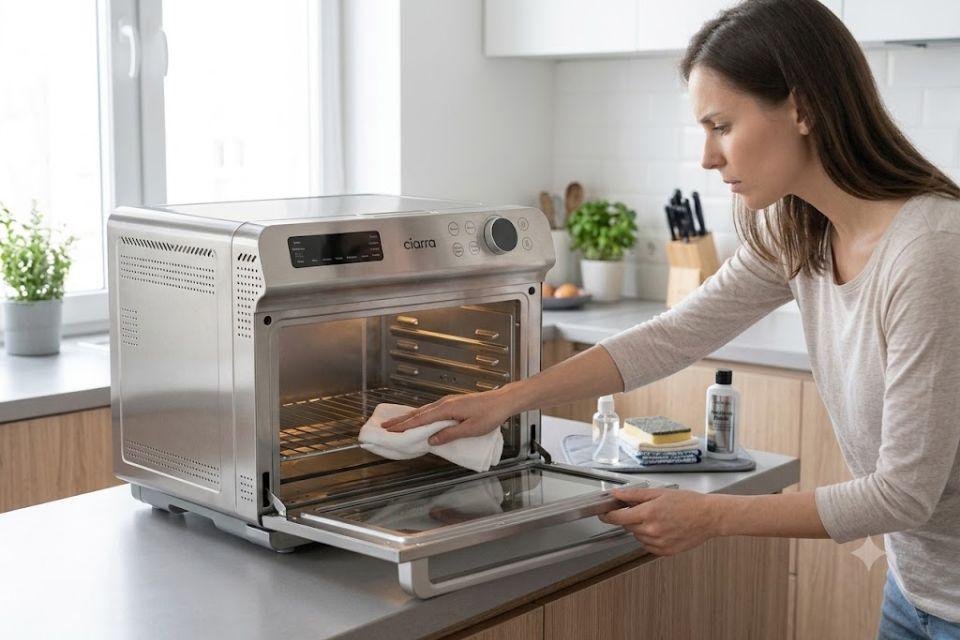
Routine maintenance is one of the simplest ways to keep a countertop oven operating safely and efficiently. A few minutes of care after regular use can help prevent grease buildup, improve heating performance, and reduce unnecessary wear on internal components. Developing consistent maintenance habits also lowers the likelihood of unexpected repairs.
To keep your appliance in good condition:
- Clean the crumb tray and interior regularly.
- Wipe away grease and food spills after the oven has cooled.
- Keep ventilation openings free from dust and obstructions.
- Inspect the power cord periodically for signs of wear.
- Avoid overloading the oven with oversized cookware.
- Use cookware recommended for countertop ovens.
- Check the door seal occasionally to ensure it closes properly.
Following these simple practices can improve cooking consistency while helping extend the overall lifespan of your appliance.
When DIY Fixes Are No Longer Enough
Many countertop oven problems can be resolved through cleaning or basic troubleshooting, but some situations require professional attention. Stop using the appliance if you notice sparks, repeated circuit breaker trips, a strong electrical burning odor, exposed wiring, or severe temperature inconsistencies that continue after routine maintenance.
Likewise, replacing heating elements, repairing control boards, or diagnosing internal electrical faults should be left to qualified technicians. Attempting complex repairs without proper knowledge may create additional damage and increase safety risks. If your oven is still covered by a manufacturer's warranty, professional service also helps protect your warranty coverage.
Final Thoughts
Most countertop oven problems begin as small maintenance issues that become more serious when ignored. Identifying warning signs early, cleaning the appliance regularly, and following safe troubleshooting practices can improve cooking performance while extending the oven's lifespan. When electrical faults or major component failures occur, seeking professional repair is the safest approach.
Whether you're maintaining your current appliance or considering future kitchen upgrades, Ciarra Appliances offers practical solutions designed to support reliable everyday cooking and long-term convenience.
FAQ
1. What are the most common countertop oven problems?
Common problems include poor heating, uneven cooking, burning smells, smoke, faulty controls, door issues, and slow cooking. Many can be prevented with regular maintenance.
2. Why is my countertop oven not heating?
A faulty heating element, thermostat, or temperature sensor is often the cause. Always check these components before seeking professional repair.
3. How long does a countertop oven last?
Most countertop ovens last 5–10 years, depending on build quality, frequency of use, and regular maintenance.
4. Can I fix a countertop oven myself?
Simple issues like cleaning grease buildup or replacing a damaged door seal can often be handled at home. Electrical repairs should be left to a qualified technician.
5. How can I keep my countertop oven working efficiently?
Clean the oven regularly, empty the crumb tray, avoid blocking vents, inspect the power cord, and follow the manufacturer's maintenance recommendations.

