

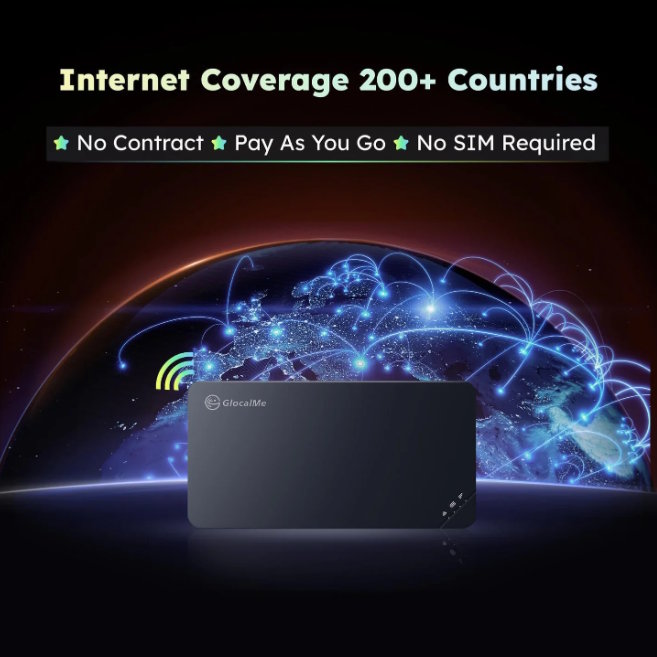
In a world driven by constant communication, cloud access, and real-time collaboration, staying connected is no longer tied to a single location. From international travel to hybrid work environments, users demand internet solutions that are flexible, fast, and dependable. Two technologies that have emerged at the center of this transformation are portable WiFi devices and the eSIM card. Each offers a modern approach to connectivity, yet they differ significantly in how they function and where they excel.
Choosing between these options requires more than a surface-level comparison. It involves understanding how each solution aligns with your usage habits, mobility needs, and long-term expectations in an increasingly digital lifestyle.
The New Standard of Connectivity
The expectations around internet access have shifted dramatically over the past few years. Users now expect seamless connectivity across borders, devices, and environments. Traditional SIM cards and fixed broadband networks are gradually being replaced by smarter alternatives that prioritize flexibility and ease of use.
Portable WiFi devices and eSIM card technology represent this shift. They are designed to remove limitations, allowing users to stay connected whether they are commuting, traveling internationally, or working remotely. The key difference lies in how they deliver this connectivity and the type of user experience they provide.
Portable WiFi Devices: A Shared Connectivity Hub
Portable WiFi devices function as independent internet hubs. They connect to cellular networks and broadcast a WiFi signal that multiple devices can access simultaneously. This makes them particularly valuable for users who operate across multiple gadgets or travel in groups.
One of the defining features of portable WiFi devices is their ability to maintain consistent connectivity across several devices without performance degradation. Whether it is a laptop, smartphone, or tablet, all connected devices can share the same network efficiently.
Another advantage is their independence from a single device. Since the portable WiFi unit handles connectivity, your primary devices are free from the burden of managing network distribution. This not only improves performance but also helps conserve battery life on smartphones and laptops.
eSIM Card: The Digital Evolution of Mobile Connectivity
The eSIM card introduces a completely different approach. Instead of relying on external hardware, it integrates connectivity directly into your device. By downloading a digital profile, users can activate a mobile network without inserting a physical SIM card.
This technology is particularly appealing for individuals who prioritize simplicity and speed. Activation can be completed in minutes, and switching between networks becomes effortless. For travelers, this means instant access to local data plans without the need to purchase or replace physical SIM cards.
eSIM also enhances device design and efficiency. Without the need for a SIM slot, manufacturers can create more compact and advanced devices. At the same time, users benefit from a cleaner and more streamlined experience.
Flexibility vs Functionality: A Practical Comparison
When comparing portable WiFi devices and eSIM cards, the decision often comes down to flexibility versus functionality. eSIM offers unmatched convenience. It eliminates the need for additional devices and allows users to manage connectivity directly from their smartphone.
Portable WiFi devices, however, provide greater functionality in terms of shared usage. They are designed to support multiple connections, making them ideal for collaborative environments or group travel. This ability to distribute internet access efficiently sets them apart from eSIM solutions.
Another point of comparison is adaptability. eSIM technology allows users to switch between carriers quickly, making it highly adaptable for international use. Portable WiFi devices, while slightly less flexible in this regard, offer a stable and centralized connection that can be relied upon in various scenarios.
Performance and User Experience
Performance is a critical factor in any connectivity solution. Portable WiFi devices are built with dedicated hardware that ensures stable signal reception and consistent speeds. This makes them particularly effective in areas where network coverage may be inconsistent.
eSIM performance, on the other hand, depends on the capabilities of the device and the strength of the selected network. While it offers excellent speed and reliability in most urban environments, its performance may vary depending on location and network availability.
User experience also differs between the two. eSIM provides a seamless, integrated experience with minimal setup. Portable WiFi devices require an additional step of carrying and managing a separate unit, but they compensate for this with enhanced connectivity options.
Cost Considerations and Long-Term Value
From a cost perspective, both solutions offer distinct advantages. eSIM plans are generally more affordable for individual users, especially for short-term use or limited data requirements. They eliminate the need for device purchases or rentals, making them a cost-effective option for solo travelers.
Portable WiFi devices may involve higher upfront costs, but they deliver greater value in shared usage scenarios. When multiple users connect to a single device, the cost per person decreases significantly, making it a practical choice for families or teams.
Long-term value also depends on usage patterns. Frequent travelers and professionals who rely on multiple devices may find portable WiFi devices to be a worthwhile investment. Meanwhile, users ովքեր prioritize convenience and minimalism may prefer the simplicity of eSIM technology.
Choosing the Right Solution for Your Lifestyle
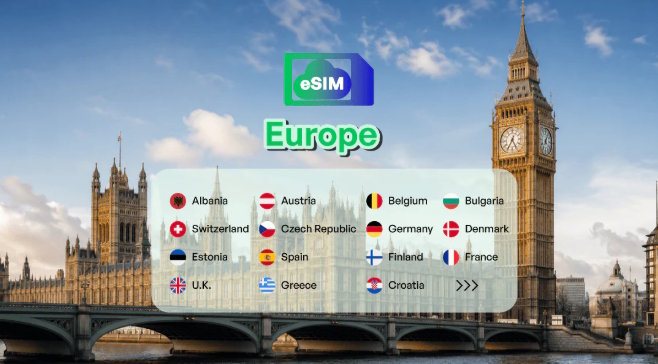
Selecting between portable WiFi devices and an eSIM card ultimately depends on how you use the internet. If your priority is convenience, quick setup, and a device-free experience, eSIM is the ideal choice. It aligns perfectly with modern smartphones and offers a streamlined approach to connectivity.
If your needs involve multiple devices, shared access, or consistent performance across different environments, portable WiFi devices provide a more robust solution. They are designed to handle complex connectivity requirements without compromising on reliability.
For many users, the most effective approach is not choosing one over the other, but understanding how both can complement each other. Using an eSIM for personal connectivity and a portable WiFi device for shared access can create a balanced and highly efficient setup.
The Future of Intelligent Connectivity
As technology continues to advance, both portable WiFi devices and eSIM cards are expected to play a significant role in shaping the future of connectivity. Innovations in network speed, device integration, and global coverage will further enhance their capabilities.
The direction is clear—connectivity is becoming more personalized, flexible, and user-centric. Whether through integrated solutions like eSIM or dedicated devices like portable WiFi hubs, the goal remains the same: to keep users connected առանց interruption.
In conclusion, portable WiFi devices and eSIM card technology represent two powerful approaches to modern connectivity. By understanding their unique strengths and applications, users can make informed decisions that enhance their digital experience, ensuring reliable internet access wherever life takes them.

