

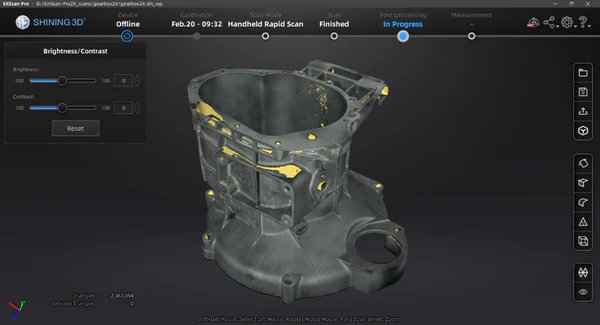
Technology has revolutionized the way products are designed, developed, and manufactured. Among the most impactful innovations are 3D Scanner 3D Printed solutions and the modern 3D Printer Scanner, which have transformed industries ranging from healthcare and automotive to architecture and education. These technologies enable businesses and individuals to digitize physical objects, create accurate 3D models, and produce highly detailed printed components with remarkable precision.
The integration of scanning and printing technologies has significantly reduced production time, minimized material waste, and improved design accuracy. Whether you are a product designer, engineer, medical professional, or hobbyist, combining a high-quality 3D scanner with an advanced 3D printer opens endless opportunities for innovation.
This article explores how 3D Scanner 3D Printed technology works, the benefits it offers, applications across multiple industries, and why investing in a reliable 3D Printer Scanner can help businesses stay competitive in today's fast-changing market.
Understanding 3D Scanner 3D Printed Technology
The concept of 3D Scanner 3D Printed technology involves scanning a real-world object to create a digital 3D model that can later be modified and reproduced using a 3D printer. Unlike traditional manufacturing methods that require expensive molds and lengthy production cycles, this process allows users to replicate complex objects quickly and accurately.
A 3D scanner captures thousands or even millions of data points from an object's surface. Specialized software converts this information into a digital model that can be edited before being printed. This seamless workflow has become essential for rapid prototyping, product development, and reverse engineering.
What is a 3D Printer Scanner?
A 3D Printer Scanner combines the power of scanning and additive manufacturing into a streamlined workflow. It allows users to digitize physical objects, edit their geometry using CAD software, and recreate them with exceptional accuracy through 3D printing.
Many modern systems integrate scanning software directly with slicing programs, making the entire process easier even for beginners. This combination has become increasingly popular among professionals looking to improve productivity while maintaining exceptional precision.
How the Process Works
The workflow of 3D Scanner 3D Printed technology generally follows these steps:
Object Scanning
The object is scanned using laser or structured-light technology to capture every surface detail.
Digital Processing
Software cleans the scanned data by removing unwanted noise, repairing holes, and optimizing the mesh for printing.
Design Modification
Engineers or designers modify the digital model according to project requirements.
Printing Preparation
The model is exported into slicing software where print settings such as layer height, infill density, and support structures are configured.
Final Printing
The 3D Printer Scanner workflow concludes with printing the optimized model using materials like PLA, ABS, PETG, Nylon, or resin.
Benefits of Using 3D Scanner 3D Printed Technology
High Precision
Modern scanners can capture extremely fine details, ensuring printed models closely match the original object.
Faster Product Development
Companies can dramatically shorten product development cycles by eliminating manual measurements and redesign processes.
Cost Savings
The technology reduces labor costs, minimizes waste, and eliminates the need for expensive tooling.
Reverse Engineering
Older machine components without CAD drawings can easily be recreated using 3D Scanner 3D Printed technology.
Improved Customization
Manufacturers can create personalized products based on individual customer requirements without increasing production costs significantly.
Advantages of a 3D Printer Scanner
Investing in a professional 3D Printer Scanner offers numerous advantages:
- Improved workflow efficiency
- Accurate digital documentation
- Easy replication of complex shapes
- Enhanced quality control
- Better design flexibility
- Reduced production errors
- Faster prototyping
- Lower manufacturing costs
These benefits make scanner-printer combinations valuable assets across multiple industries.
Applications in Manufacturing
Manufacturing companies use 3D Scanner 3D Printed solutions for rapid prototyping, tooling, fixture design, and quality inspection.
Instead of waiting weeks for replacement parts, engineers can scan damaged components, redesign improvements, and print functional replacements within hours.
This capability significantly reduces machine downtime while improving operational efficiency.
Healthcare and Medical Innovation
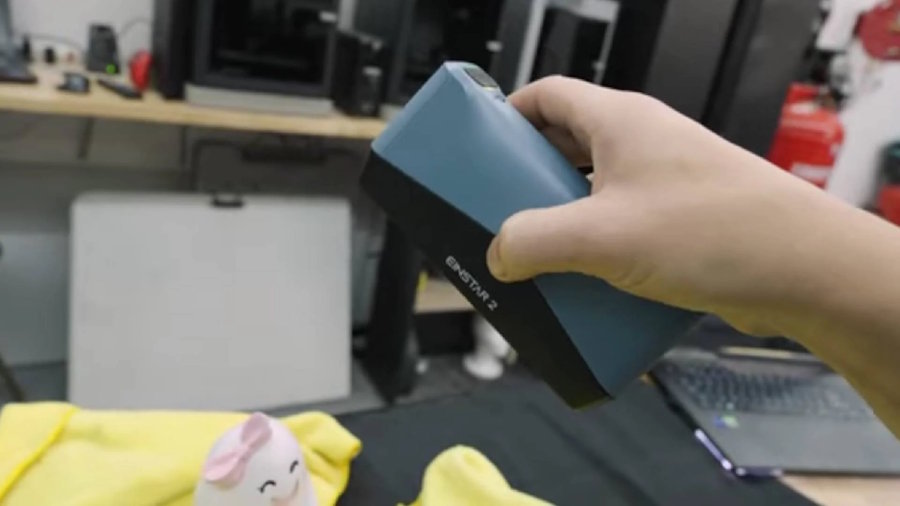
Healthcare has embraced 3D Printer Scanner technology for creating:
- Customized prosthetics
- Dental crowns
- Surgical guides
- Orthopedic implants
- Anatomical training models
Doctors can scan patients, generate accurate digital models, and print personalized medical devices that improve treatment outcomes.
Automotive Industry Applications
Automotive manufacturers utilize 3D Scanner 3D Printed workflows to:
- Scan vintage vehicle parts
- Produce replacement components
- Inspect production quality
- Develop prototypes
- Design custom accessories
This technology accelerates vehicle development while maintaining exceptional dimensional accuracy.
Aerospace Engineering
The aerospace industry demands extremely precise components. Engineers use 3D Printer Scanner systems for:
- Aircraft component inspection
- Reverse engineering
- Prototype manufacturing
- Lightweight structural designs
The ability to manufacture lightweight yet durable parts contributes to improved fuel efficiency and overall aircraft performance.
Architecture and Construction
Architects rely on 3D Scanner 3D Printed technology to capture buildings, monuments, and construction sites.
The resulting digital models help with:
- Building renovations
- Structural analysis
- Historical preservation
- Construction planning
- Interior design
Printed architectural models also improve client presentations and project visualization.
Education and Research
Educational institutions increasingly incorporate 3D Printer Scanner systems into engineering, medical, and design programs.
Students gain practical experience by scanning real objects, modifying digital models, and producing physical prototypes that enhance learning outcomes.
Universities also use these technologies for research involving robotics, biomechanics, archaeology, and advanced manufacturing.
Reverse Engineering Made Simple
One of the greatest strengths of 3D Scanner 3D Printed technology is reverse engineering.
When original blueprints are unavailable, engineers can:
- Scan the component
- Repair damaged geometry
- Improve existing designs
- Produce new replacement parts
This capability extends equipment lifespan while reducing replacement costs.
Choosing the Right 3D Printer Scanner
When selecting a 3D Printer Scanner, several important factors should be considered:
Scanning Accuracy
Higher resolution produces better digital models.
Scan Speed
Fast scanning improves productivity, especially for industrial applications.
Compatibility
Ensure compatibility with popular CAD and slicing software.
Ease of Use
User-friendly software reduces training requirements.
Material Support
Choose printers capable of handling various engineering-grade materials.
Customer Support
Reliable technical assistance ensures long-term productivity.
Future Trends in 3D Scanner 3D Printed Technology
The future of 3D Scanner 3D Printed technology continues to evolve with advancements in artificial intelligence, automation, and cloud computing.
Emerging innovations include:
- AI-powered mesh optimization
- Automated defect detection
- Real-time cloud collaboration
- Multi-material printing
- Faster scanning hardware
- Portable wireless scanners
- Enhanced color scanning
- Improved industrial automation
These developments will make scanning and printing workflows even faster, smarter, and more accessible.
Best Practices for Maximum Results
To achieve excellent outcomes with a 3D Printer Scanner, users should:
- Keep scanning equipment calibrated.
- Use proper lighting during scanning.
- Clean scanned objects before digitization.
- Optimize meshes before printing.
- Select suitable print materials.
- Test prototypes before mass production.
- Perform regular printer maintenance.
- Store digital models securely for future use.
Following these practices ensures consistent quality and longer equipment lifespan.
Why Businesses Should Invest Today
Businesses adopting 3D Scanner 3D Printed technology gain a significant competitive advantage. They can reduce product development time, lower operational costs, improve product quality, and respond more quickly to customer demands.
Similarly, a modern 3D Printer Scanner enables organizations to digitize physical assets, improve manufacturing efficiency, simplify reverse engineering, and produce customized solutions that traditional manufacturing cannot easily achieve.
As industries continue embracing digital transformation, companies investing in these technologies position themselves for long-term success while meeting increasing demands for innovation, speed, and precision.
Conclusion
The combination of 3D Scanner 3D Printed technology and an advanced 3D Printer Scanner has fundamentally changed how products are designed, analyzed, and manufactured. From healthcare and automotive engineering to architecture and education, these technologies offer unmatched accuracy, flexibility, and efficiency.
Organizations that integrate scanning and 3D printing into their workflows benefit from faster prototyping, lower production costs, improved customization, and superior product quality. As hardware and software continue advancing, the possibilities for innovation will only expand.
Whether you are launching a manufacturing business, upgrading engineering capabilities, or exploring creative design opportunities, investing in reliable 3D Scanner 3D Printed solutions and a professional 3D Printer Scanner is a strategic step toward future-ready production and sustainable growth.

