

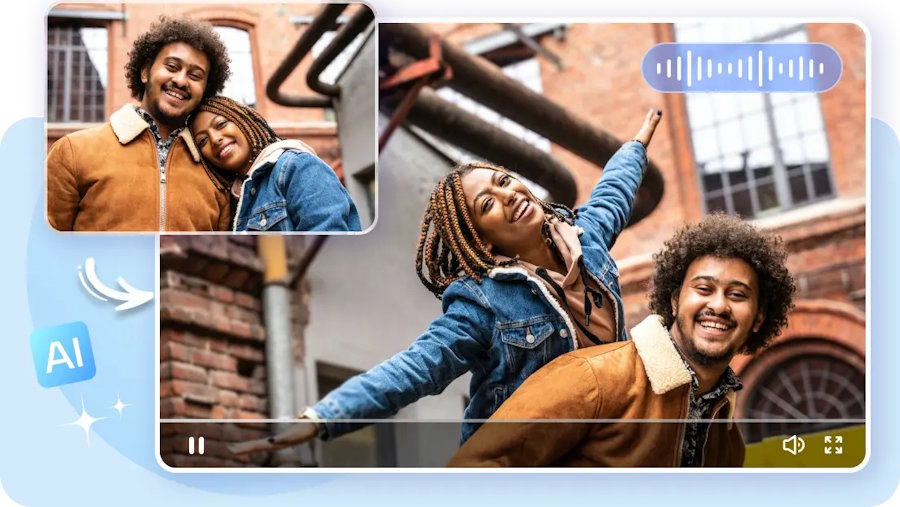
Video production has seen several advancements in the last decade. Having a camera, lighting, and a good editing suite used to be the first step to bringing video ideas to life. Today, the process uses artificial intelligence, and the creative process can begin without advanced technologies. The beginner can start with an idea and see how the new technologies can be used to construct the idea as video content. The growing interest in Seedance 2.0 and Seedance 2.5 highlights the rapid expansion of the AI video generation market, while also showing the increasing demand for simple, accessible tools like Dreamina that make creative expression easier for everyone.
Understanding AI Video Generation
AI video generation is a creative tool that allows users to input a concept in the form of text and the system uses AI to construct a video that resembles the idea. The input can be a description of a character, a scene, a location, an activity, or even a mood. The system is intelligent enough to visualize the information that has been input to it. This transforms how video content can be created because the user is no longer restricted to the four walls of a video recording studio. This is particularly valuable to creative individuals who are just starting out.
Reasons Why AI Video Is So In Demand
The main reason for the boom in demand for AI video tech is the increasing demand for content! Every group and all types of businesses require videos to communicate and engage with their audience. However, the average person cannot create new videos every day. AI tools help streamline and speed up the creative process. In that sense, Seedance 2.0 and 2.5 are great examples that show the evolution of AI systems that center around advanced visual creation and help users to push the boundaries to create different types of content.
What is Seedance 2.0?
If you have no idea about AI video creation, think of Seedance 2.0 as an example of a groundbreaking new technology that centers around AI-enhanced visual production. The idea is to give people the option to share their creative ideas in the hopes of being able to conjure up a video version, or capture that image. In fact, you do not need to be a professional filmmaker to understand the core ideas here as you only need to think about what you want and provide the instructions for what you hope to see.
Analyzing Seedance 2.5
Seedance 2.5 is part of a larger advancement of video technologies and AI. With constant system upgrades, it is only reasonable to see some of the improvements and additions alongside user requests. New generations of AI tools are focused on improving user control over movement, often referred to as motion control, scenes, visual elements, and storytelling. This is an exciting upgrade for beginner users. AI is no longer automated systems that users interact with from the outside: AI can now be seen as a creative tool users can interact with to develop and explore ideas.
AI for the Enhancement of Storytelling
Like most human behaviors, the art of storytelling has also evolved with the use of technology. AI video generation adds another layer to this evolution by making it easier for the creator to visualize their ideas. This is great for the person who writes a fictional story and dreams of what the characters look like or the filmographer who has an idea of what a scene looks like before filming. It is just as effective for an online creator who wants visual aids to go along with their messaging and make it stick. Seedance 2.0 and Seedance 2.5 are part of this growing movement, while Dreamina further supports the shift by making visual storytelling more accessible and easier for people across creative industries.
AI Video and the Future of Education
Education is another way that visual content makes a great difference. Visual media further aids teachers and educators, especially when things are difficult for students to comprehend when communicated with the written word. AI video becomes even more helpful when creating novel, helpful media, and explanations. It becomes especially useful when narrating and/or creating explainers of difficult and/or abstract concepts or even creating digitally visualized historical and philosophical educational aids. With Seedance 2.0 and 2.5, the potential of AI becomes an even greater tool for engaging educational interactive media.
Why Beginners Should Focus on Quality
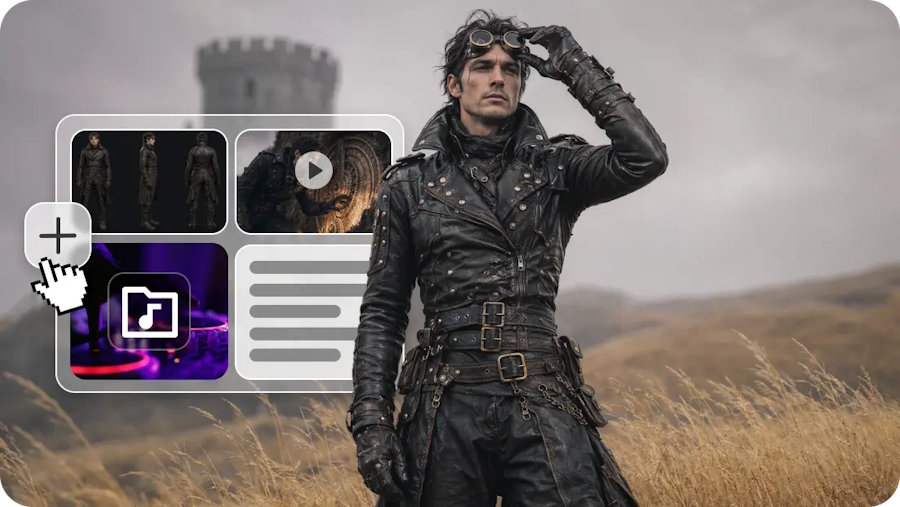
AI tools create an easier method for content generation, but more content doesn’t equal improved content. Beginners must work on creating purposeful videos. Clear and concise messages can be stronger and more effective than video messages with many distracting and unnecessary visual components. Before creating anything, users must think about what they wish to communicate to their audience. This thought can make the AI generated content more purposeful and meaningful.
Recognizing the Challenges of AI Video
AI video systems show promise, but, like all technology, still have their challenges. Constructed videos may not comply with instructions or requests with absolute fidelity. Small, nuanced details may not come out how one would expect, and complicated actions may be difficult to depict at all. Moreover, when characters and objects require presence in multiple scenes, they may need to be painstakingly represented. For these reasons, novice users of the AI systems need to realize that the majority of AI video generation processes consist of trial and error iterations. The first output, often called the “first draft,” should not be viewed as the final version, or the only one that may be produced.
Conclusion
The various iterations of Seedance, namely Seedance 2.0 and 2.5, have provided clear evidence of the rapid evolution of AI systems within the orbit of video systems. For novices, the new AI systems have provided a whole new way of exploring an important part of art and storytelling, and a way to circumvent some traditional techniques of the video production process. As with any new technology, it is the imagination of the user that is of primary importance. When combined, lucid ideas and good editing of the story told, AI video systems have the power to create great art. As the systems evolve, novice users may discover a whole new way of creating art, telling stories in innovative ways, and communicating in the vast digital landscape when they first.

