

A hair removal device is not meant for daily use in most cases, especially if it uses IPL or laser-based light technology. These devices work by targeting hair at the root during specific growth phases, so using them every day does not improve results and may increase the chance of redness, dryness, or sensitivity. Safe use depends on your skin tone, hair color, device settings, and whether you follow the brand’s schedule. Most at-home devices are designed for weekly treatments at the start, followed by maintenance sessions less often. Understanding how treatment frequency affects your skin helps you avoid irritation and get better long-term results. A clear routine, proper skin preparation, and consistent aftercare are the key parts of safe and effective use.
How Safe Is Daily Use of a Hair Removal Device?
Factors That Affect Skin Safety and Treatment Frequency
Daily treatment is generally unnecessary because hair does not respond to light-based removal every day. IPL and laser devices target pigment in actively growing hairs, and only a portion of hair is in that stage at one time. Treating too often can stress the skin without adding benefit. Safety also depends on recent sun exposure, skin sensitivity, medications that increase photosensitivity, and whether the skin has cuts, irritation, or inflammation. Higher energy levels may require more caution, especially on delicate areas. Following the recommended schedule in the device manual is the safest approach. For most users, spacing sessions by at least one week during the initial phase gives skin time to recover properly.
How Hair Removal Technology Works on Different Skin Types
Light-based hair removal works by sending controlled energy into the melanin in hair, which then heats the follicle and slows future growth. This process works best when the device can clearly distinguish dark hair from the surrounding skin. That is why skin tone and hair color matter for both safety and performance. Some devices are designed with smart skin sensors and multiple intensity levels to improve safety across a wider range of tones. Still, very dark skin or very light, red, gray, or white hair may not be ideal for certain systems. Using the wrong setting can lead to discomfort or irritation, so matching the device to your skin profile is essential.
Best Practices for Using Hair Removal Devices Safely
Steps to Prepare Skin Before Each Hair Removal Session
Start with clean, completely dry skin free from lotion, deodorant, oil, or self-tanner. Shave the treatment area first so the light targets the follicle beneath the surface instead of burning longer hair above the skin. Do not wax or pluck before treatment because the follicle needs to remain in place. Check the skin for cuts, rashes, active breakouts, or sunburn, and avoid treatment if any are present. A patch test on a small area is a smart step before the first full session or when using a higher intensity. Choose the recommended energy level for your skin tone, and make sure the treatment window sits flat against the skin.
Recommended Aftercare to Reduce Skin Irritation
After treatment, keep the skin calm and protected. A mild, fragrance-free moisturizer or soothing gel can help reduce temporary dryness or warmth. Avoid hot showers, saunas, intense exercise, and heavily scented products for at least 24 hours if your skin feels sensitive. Sun protection matters because freshly treated skin can be more reactive to UV exposure, so apply broad-spectrum SPF on exposed areas and avoid tanning. Do not scrub, exfoliate aggressively, or use strong acids and retinoids immediately after a session. If you notice prolonged redness, stinging, swelling, or pigment changes, stop treatment until the skin returns to normal and review the device instructions before your next use.
Choosing a Safe At-Home Laser Hair Removal Device
Features to Look for in a Reliable Hair Removal Device
A safe at-home hair removal device should offer adjustable intensity levels, clear skin tone guidance, and built-in contact or skin sensors that prevent accidental flashes. Good ergonomic design also helps because it keeps the treatment window steady and reduces missed spots or overlap. Look for a device with enough flashes for long-term use, clear instructions for treatment intervals, and protection features that support consistent use on approved body areas. Fast flash speed can make larger sessions easier, but comfort controls matter just as much. Reliable devices also explain who should not use them, including people with incompatible skin tones, unsuitable hair colors, or conditions that make light exposure unsafe.
Using Ulike At-Home Laser Hair Removal Device as a Safe Option
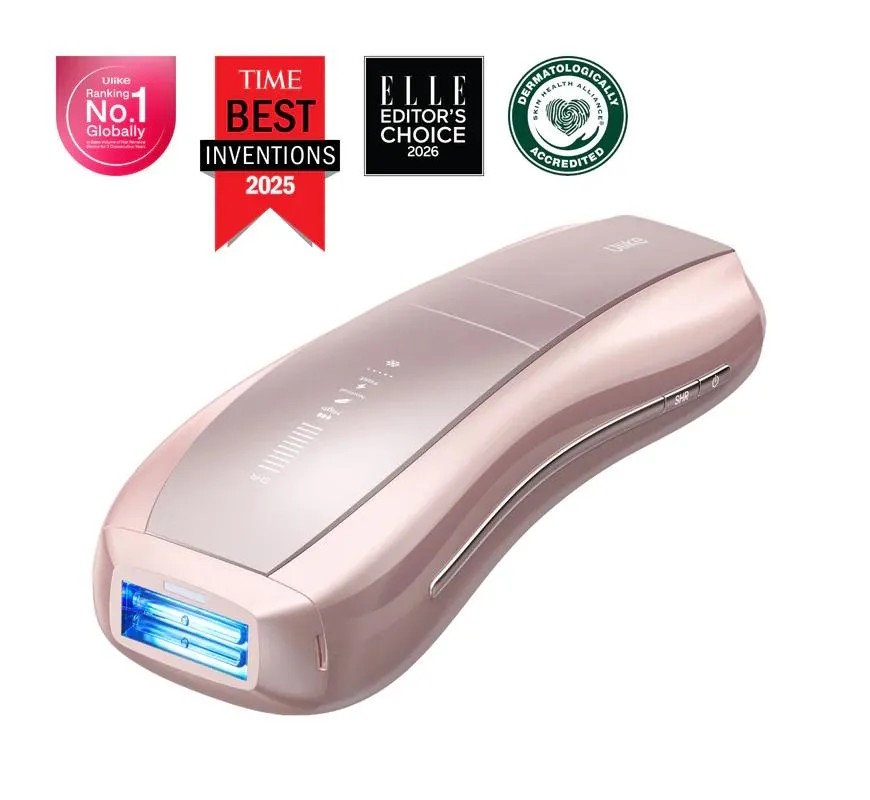
Ulike At-Home Laser Hair Removal Device can be a safe option when used according to its instructions and treatment schedule rather than every day. It is designed for home use and includes user-focused safety features that support controlled sessions, such as skin contact requirements and adjustable energy settings. These functions help users treat approved areas with better consistency while lowering the risk of unnecessary exposure. For best results, users should shave first, select the proper intensity, avoid compromised skin, and follow the recommended interval between treatments. Used this way, the device fits the standard guidance for safe at-home hair removal: regular but spaced sessions, careful skin monitoring, and consistent aftercare.
Conclusion
A hair removal device is not safe or useful for daily use in most situations. Light-based devices are designed for spaced treatments because hair grows in cycles and skin needs recovery time between sessions. The safest routine is to follow the device instructions, prepare skin properly, use the right intensity for your skin tone, and protect the area afterward. Choosing a device with practical safety features also makes home treatment more reliable. If you want smooth results without avoidable irritation, focus on consistency instead of frequency. A well-timed treatment plan is the right way to use an at-home hair removal device safely.

