


Introduction
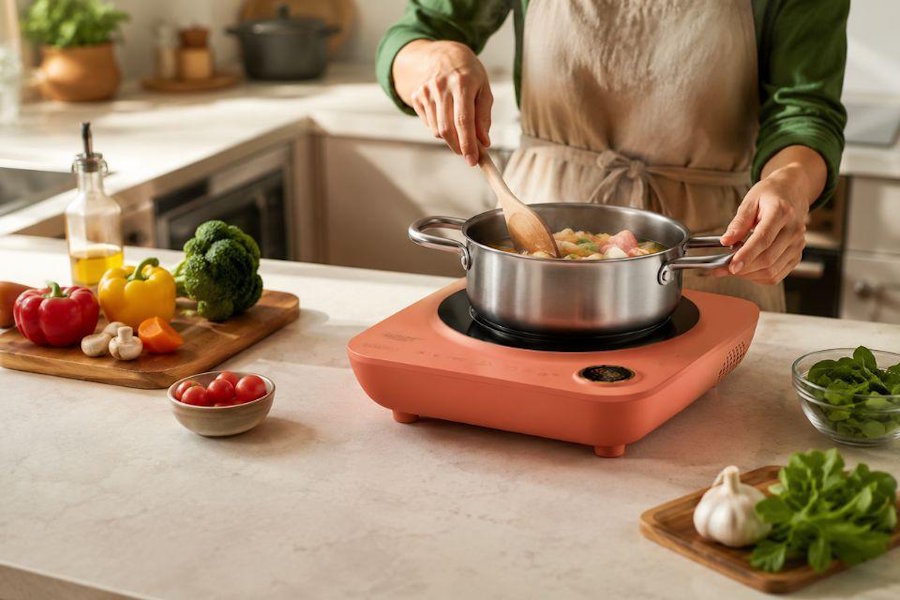
Getting consistent cooking results is not always about having advanced kitchen equipment. Many home cooks experience problems such as uneven heating, burnt food, slow cooking times, or difficulty controlling temperature when they start using a portable induction cooktop. These challenges often happen because induction technology works differently from traditional gas or electric cooking methods.
A portable induction cooktop can provide faster heating, better energy efficiency, and more precise temperature control, but achieving better meals requires understanding the right techniques. Choosing suitable cookware, adjusting heat levels properly, and learning how induction responds to different foods can significantly improve everyday cooking performance. This guide explains practical methods that help home cooks achieve more reliable results while preparing simple daily meals.
Quick Tips for Better Induction Cooking
- Use induction-compatible cookware with a magnetic base.
- Start with medium heat instead of maximum power.
- Match cookware size with the cooking area.
- Adjust temperature gradually for better control.
- Keep the cooking surface clean and dry.
Understand How a Portable Induction Cooktop Works Before Cooking
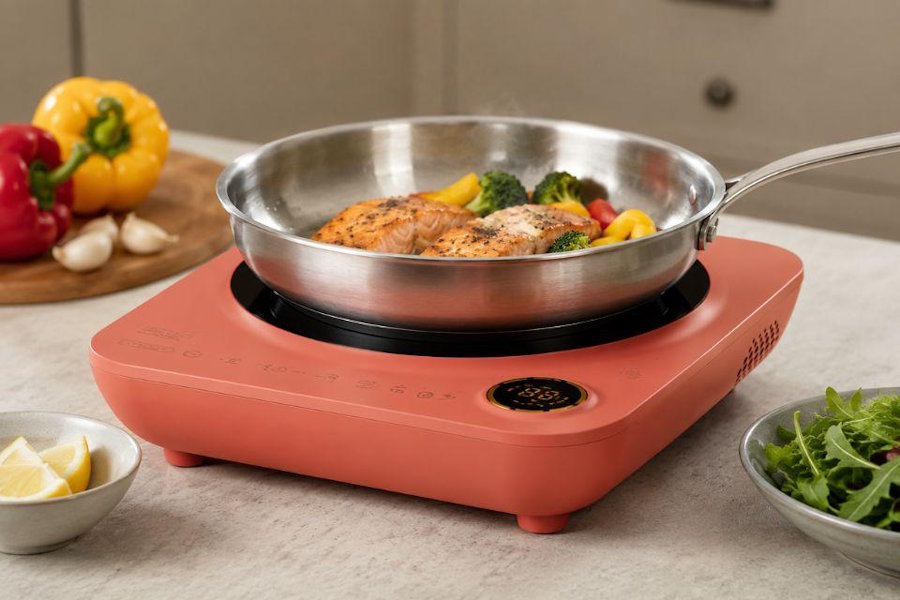
Before improving cooking techniques, it is important to understand how induction technology creates heat. Unlike traditional stoves that transfer heat from a burner to the pan, induction cooking uses electromagnetic energy to generate heat directly inside compatible cookware. This direct heat transfer allows cookware to warm quickly while giving users faster control over temperature changes.
The main advantage of induction cooking is its responsiveness. When the power setting changes, the cookware temperature can adjust much faster compared with many conventional cooking methods. However, this quick response also means beginners may need time to adapt because small temperature changes can have a noticeable effect on food.
Cookware plays an essential role because induction systems rely on magnetic interaction between the cooktop and the pan. If the cookware is not compatible, the appliance may not heat properly or may not work at all. Understanding this relationship helps users make better decisions about heat settings, cooking techniques, and equipment choices.
Choose the Right Cookware for More Consistent Cooking Results
Selecting the right cookware is one of the most important steps for improving induction cooking performance. Unlike traditional cooking surfaces that can heat many types of pans, induction technology requires cookware that can interact with a magnetic field. The right pan improves heat distribution, temperature stability, and overall cooking consistency.
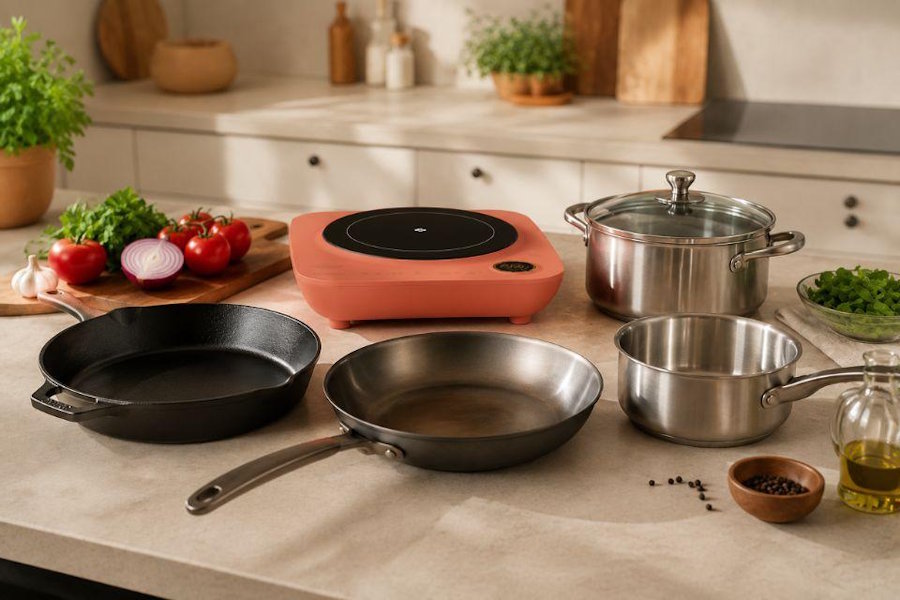
Cast iron cookware is a popular choice because it provides excellent heat retention and works well for recipes that require steady temperatures. Carbon steel is another effective option because it combines durability with faster temperature adjustments. Magnetic stainless steel cookware is also suitable for everyday meals because it offers convenience and reliable performance.
Some materials may not work properly unless they include an induction-compatible base. Aluminum, copper, and glass cookware usually cannot generate heat on their own because they do not contain magnetic properties needed for induction technology. Using unsuitable cookware can lead to poor heating results and wasted cooking time.
Cookware size and shape also affect performance. A flat-bottom pan that matches the cooking zone allows better contact and more efficient heat transfer. Choosing cookware based on compatibility and cooking needs rather than appearance alone can help create better results with everyday meals.
|
Cookware Type |
Induction Compatibility |
Cooking Performance |
|
Cast iron |
Excellent |
Strong heat retention |
|
Carbon steel |
Excellent |
Fast temperature response |
|
Magnetic stainless steel |
Excellent |
Reliable everyday cooking |
|
Aluminum without magnetic base |
Unsuitable |
Does not heat properly |
Master Temperature Control Instead of Always Using Maximum Heat
One of the most important skills for better induction cooking is learning how to control temperature instead of always using maximum power. A portable induction cooktop responds quickly, which means high settings can heat cookware faster than many beginners expect. Using the wrong temperature level can lead to burnt food, uneven cooking, or loss of texture.
Low heat is ideal for delicate foods such as eggs, sauces, and melted ingredients because it provides gentle cooking without overheating. Medium heat works well for everyday meals, including vegetables, rice, and general pan cooking. High heat should mainly be used for tasks like boiling water or searing meat where rapid heating is needed.
Adjusting temperature based on the food being prepared allows better control and more consistent cooking results.
Preheat Your Cookware Properly Before Adding Food
Properly preheating cookware is a simple technique that can improve cooking performance. Many people add ingredients immediately after placing a pan on the induction surface, but allowing the cookware to warm first helps create more even results.
The recommended approach is to place induction-compatible cookware on the cooking area, select a moderate temperature, and allow the pan to stabilize before adding oil or ingredients. This helps improve browning, reduces sticking, and allows food to cook more evenly.
Because induction technology heats quickly, cookware usually does not need excessive preheating at very high temperatures. Controlled heating is often more effective than using maximum power. Developing this habit can make everyday meals more consistent and easier to prepare.
Avoid Common Portable Induction Cooktop Mistakes
Many induction cooking problems come from simple mistakes that can be avoided with better techniques. Using incompatible cookware is one of the most common issues because induction requires magnetic materials to transfer heat properly.
Other mistakes include cooking only at maximum power, using cookware that does not match the cooking zone size, and placing pans incorrectly on the surface. These habits can create uneven heating and make temperature control more difficult.
Common mistakes to avoid:
- Using non-magnetic cookware
- Ignoring cookware size and placement
- Overheating empty pans
- Forgetting regular surface cleaning
When choosing equipment, selecting the best portable induction cooktop involves more than comparing wattage. Temperature control, cookware compatibility, safety features, and ease of adjustment often influence everyday cooking performance more than power alone.
Keeping the surface clean and following proper cooking habits helps maintain better results over time.
Adjust Cooking Techniques for Different Everyday Meals
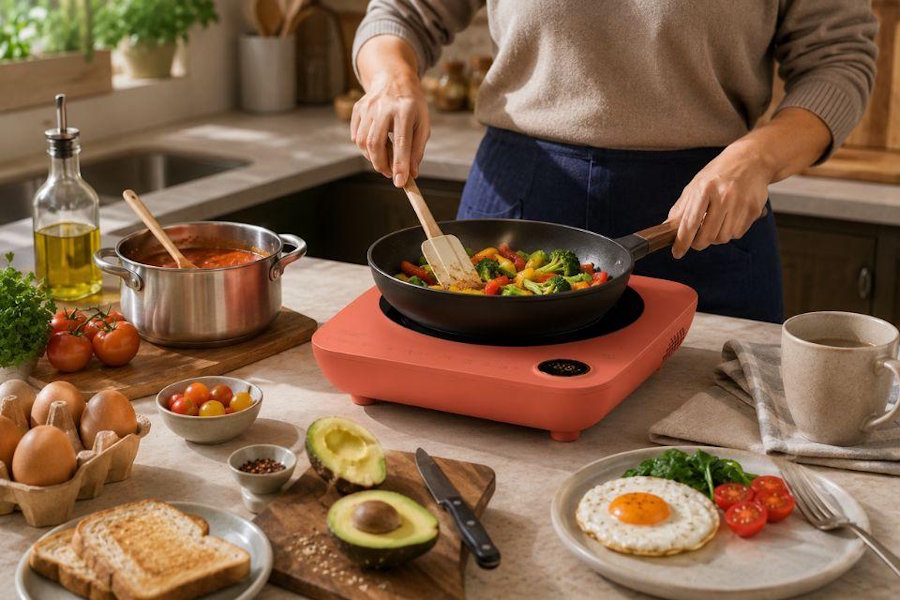
Different foods require different cooking approaches, and induction cooking works best when temperature settings are adjusted according to the meal being prepared. For eggs, lower heat is usually more effective because gentle cooking helps maintain a soft texture and prevents overcooking. For meat, allowing the cookware to preheat properly before adding food can improve browning and create a more consistent result.
Vegetables often benefit from medium heat because it allows them to cook evenly while maintaining their texture and flavor. When preparing sauces, gradual temperature adjustments are important because excessive heat can cause ingredients to separate or cook too quickly.
Practical adjustments for everyday meals include:
- Using lower temperatures for delicate foods
- Increasing heat gradually when needed
- Avoiding unnecessary high-power settings
Understanding how different foods respond to heat can help users achieve better results with regular cooking routines.
Improve Energy Efficiency While Cooking
Efficient cooking is not only about the appliance but also about using the right techniques. Choosing cookware that matches the cooking zone size helps transfer heat more effectively and reduces unnecessary energy use. A pan that is too small or too large may require more time and power to achieve the desired temperature.
Simple habits can also improve cooking efficiency, such as covering pots when appropriate, preparing ingredients before heating, and avoiding excessive temperatures. Since induction responds quickly, maintaining control over heat settings can prevent wasted energy caused by overheating.
Using the correct cookware, selecting suitable temperature levels, and following efficient cooking practices can make everyday meals easier while supporting more responsible energy use.
Features That Support Better Everyday Cooking
Modern cooking tools are designed to provide greater convenience and control during meal preparation. Features such as accurate temperature settings, safety controls, easy operation, and reliable performance can help users create better cooking results.
Some modern kitchen brands, including Ciarra gadgets, focus on developing practical cooking solutions designed around convenience, efficiency, and everyday usability. These types of features can support home cooks by making temperature management simpler and improving the overall cooking experience.
When evaluating kitchen equipment, focusing on practical features that match personal cooking habits is often more useful than choosing based only on appearance or specifications.
Conclusion
Getting better cooking results with a portable induction cooktop requires more than simply adjusting the power level. Understanding how induction technology works, selecting compatible cookware, and using proper temperature control techniques can make everyday cooking more consistent and enjoyable. Small changes, such as preheating cookware correctly, avoiding unnecessary high heat, and adjusting settings based on different foods, can improve texture, flavor, and overall results.
With the right cooking habits, induction cooking becomes a practical and efficient method for preparing a variety of meals. By combining suitable equipment with better techniques, home cooks can achieve greater control and confidence while making everyday dishes.
Frequently Asked Questions
What cookware works best with a portable induction cooktop?
The best cookware for a portable induction cooktop includes magnetic materials such as cast iron, carbon steel, and induction-compatible stainless steel. Flat-bottom cookware that matches the cooking zone size usually provides better heat transfer and more consistent cooking results.
Why does my induction cooktop cook unevenly?
Uneven cooking can happen because of unsuitable cookware, incorrect pan size, poor cookware placement, or using improper temperature settings. Choosing compatible cookware and adjusting heat levels gradually can help improve cooking consistency.
How can I stop food from burning on an induction cooktop?
To prevent food from burning, avoid using maximum heat for every recipe. Start with moderate temperatures, preheat cookware properly, and reduce heat when food reaches the desired cooking stage. Induction responds quickly, so small adjustments can make a noticeable difference.
Does induction cooking require different techniques?
Yes, induction cooking often requires some adjustment because it heats cookware quickly and responds immediately to temperature changes. Learning how to manage heat settings and select suitable cookware helps create better results.
Is a portable induction cooktop good for everyday meals?
A portable induction cooktop can be suitable for everyday meals because it offers quick heating, precise temperature control, and convenient cooking flexibility. With proper cookware and techniques, it can handle many common cooking tasks effectively.

