

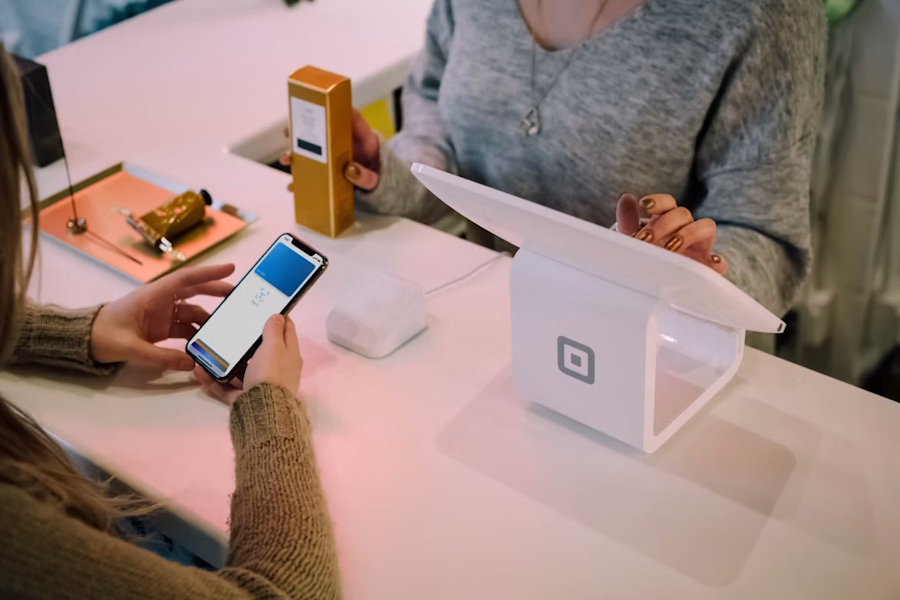
Customers increasingly expect checkout to accommodate the payment method already available on their phone. For businesses exploring one QR code for all payment, the practical goal is to provide a single entry point that can lead to several suitable payment options instead of displaying separate codes at the counter. The exact experience depends on the payment platform behind that code.
The Rise of QR-Based Payments
A QR code can connect a physical checkout point with a hosted payment page, wallet, bank payment, or another digital payment flow. For merchants, this can reduce countertop clutter and make the same payment entry point usable on receipts, invoices, signs, and screens.
The important distinction is that the code normally opens or carries payment information; the payment provider handles the transaction itself. Businesses therefore need to assess the checkout behind the scan as carefully as the code displayed to customers.
What an All-in-One Payment QR Code Can Do
A multi-option payment flow can give customers more freedom without asking staff to explain several separate routes. Depending on the provider and region, the destination may offer cards, bank-based methods, digital wallets, or other local options.
Before consolidating payment access, businesses should check several operational details:
- which payment methods are actually available in each target market;
- whether customers can choose between methods after scanning;
- whether the same code can remain in use when the destination changes;
- how transactions, scans, and payment status are reported;
- whether the checkout matches the company’s branding and mobile experience.
A unified entry point is most useful when it simplifies choice rather than hiding important payment information. Availability can vary considerably by country, currency, and merchant account.
Comparing Solutions for Multiple Payment Methods
Different platforms approach QR payments from different directions. Some generate a code that leads to an existing payment service, while others provide both the checkout environment and payment processing.
ME-QR
ME-QR can connect a payment QR code to an existing payment link, including links from services such as Stripe, so businesses can keep their chosen payment infrastructure while adding a scannable access point. Its dynamic functionality is relevant when a merchant may need to replace the linked payment destination later without producing new printed materials.
This makes the platform useful when QR management and the payment processor need to remain separate parts of the workflow.
Stripe
Stripe Payment Links can be converted into QR codes directly from the dashboard. The hosted checkout supports more than 40 payment methods, with availability depending on configuration and market.
This model suits businesses that want a QR code generator tied directly to a reusable Stripe-hosted checkout rather than an external routing layer.
Square
Square allows merchants to turn Payment Links into QR codes and direct customers to a hosted checkout. Depending on the market, checkout can include cards and digital options such as Apple Pay and Google Pay, while transactions remain visible within the Square ecosystem.
For businesses already using Square for POS or online commerce, this can keep payment links and transaction management in the same environment.
HitPay
HitPay Payment Links can be shared as QR codes and configured with supported payment methods. Its current product information states that merchants can choose which methods appear and adjust their order according to factors such as currency and transaction amount.
HitPay also supports QR payment infrastructure for markets in Southeast Asia, including embedded payment flows for supported domestic methods.
Other Payment QR Solutions
Other approaches include bank-issued codes, wallet-specific systems, and regional interoperable QR standards. These may work especially well where customers already use a dominant banking app or national payment network.
The best approach depends less on finding a generic QR generator and more on matching the payment infrastructure to customer habits.
Choosing a Flexible QR Payment Platform
A concise comparison highlights the different roles these tools can play.
| Solution | Main approach | Useful when |
|---|---|---|
| ME-QR | QR layer linked to payment destinations | payment links may change |
| Stripe | hosted payment links and processing | multiple methods are needed in Stripe checkout |
| Square | integrated commerce and payments | POS and online payments share one ecosystem |
| HitPay | links and regional payment methods | businesses operate in supported Asian markets |
| other solutions | bank, wallet, or regional systems | local payment habits dominate |
No single setup is automatically the best QR code maker for every merchant. A small retailer may prioritize a straightforward hosted checkout, while a multi-location company may care more about updating destinations, regional payment options, and centralized administration.
Security, transaction fees, settlement timing, refunds, supported currencies, and geographic availability should also be evaluated separately. The most flexible QR payment experience is ultimately the one that gives customers relevant choices while keeping payment management understandable for the business.
FAQ
Can one QR code offer several payment methods?
Yes. A code can open a checkout page where several supported payment methods are presented, although the exact options depend on the provider, country, and currency.
Does the QR code itself process a transaction?
No. The code typically directs the customer to payment information or a checkout environment, while the connected payment service processes the transaction.
Why use a dynamic code for payments?
A dynamic code can be useful when the linked payment page may change, because the destination can be updated without replacing the printed code.

