

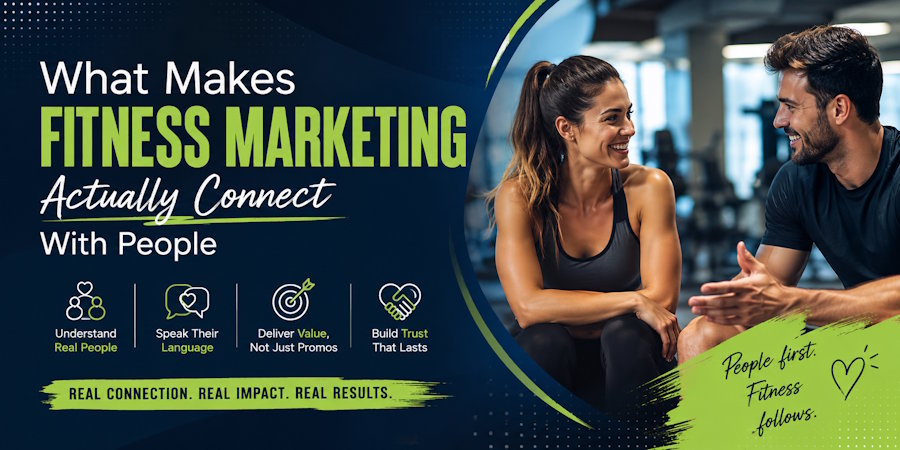
Fitness marketing earns attention when it reflects the physical, emotional, and practical reasons people seek exercise. A parent may need short sessions around school schedules. An older adult may want safer movement after joint pain. Someone returning after illness may require reassurance before entering a class. Effective communication recognizes these circumstances, offers useful information, and shows how professional guidance can support steady progress.
Relevance Builds Initial Interest
People respond to details that resemble their routines. Early opening hours, beginner classes, nearby locations, and flexible payment options answer immediate concerns. A message gains strength when it names a genuine barrier rather than promising a complete personal transformation. A fitness marketing agency can help a facility connect each campaign to a defined audience, a practical need, and a measurable response. That connection makes an advertisement feel considered instead of interchangeable.
Trust Comes Before Conversion
Before joining, prospective members often assess safety, competence, and social comfort. Trainer qualifications, clear photographs, verified testimonials, and accurate pricing help answer those concerns. A short demonstration can reveal coaching methods more effectively than a slogan. Member stories also carry weight when they describe functional gains, such as improved balance, easier stair climbing, or more regular exercise.
Offers Need A Clear Purpose
Price reductions can draw attention, but they rarely solve hesitation on their own. Each promotion should address a recognizable decision barrier. A no-cost assessment may help someone unsure about exercise intensity. A single class can reduce anxiety about an unfamiliar facility. A household rate may support shared attendance. Keep terms brief, visible, and easy to act on.
Remove Friction
The next step should require little mental effort. One landing page, one contact method, and a short registration form usually perform better than scattered instructions. Visitors should see class times, location details, costs, and cancellation policies without searching through several screens. Small obstacles can stop a motivated person before they schedule a first appointment.
Messages Should Reflect Real Motivations
Members pursue different outcomes, and broad promises often miss the reason behind a purchase. One person may seek stronger muscles, while another wants reduced back stiffness or improved cardiovascular capacity. Some need accountability after repeated setbacks. Campaigns should address one motivation at a time, using language that respects ability, age, health history, and confidence.
Local Presence Creates Familiarity
A facility becomes easier to recall when its name appears where people already are. Community races, apartment notices, workplace partnerships, neighborhood publications, and local search listings can support recognition. Physical proximity also influences attendance because travel time affects routine formation. A convenient provider has a better chance of becoming part of weekly behavior.
Data Improves Creative Decisions
Campaign reports should focus on actions connected with revenue and retention. Useful measures include qualified calls, booked assessments, trial attendance, membership starts, and cancellations. A large number of views may indicate reach, but it says little about commitment. Comparing results by audience, message, offer, and channel helps managers identify which approach deserves further investment.
Timing Shapes Response
Seasonal interest often reflects changes in routine, weather, and personal priorities. January may bring ambitious goals, while spring can increase interest in outdoor conditioning. Autumn may attract parents seeking structured schedules after school begins. Timing works best when content addresses present circumstances. A relevant offer shown at the wrong moment can still receive little attention.
Retention Belongs In The Plan
Member communication should continue after enrollment. Progress reviews, technique reminders, schedule updates, and milestone recognition reinforce a sense of direction. Staff can also explain how gradual increases in resistance, duration, or frequency support adaptation. Referral invitations work better after a positive experience. Continued contact can protect attendance before motivation declines.
Conclusion
Fitness marketing connects with people through accurate insight, credible evidence, and practical guidance. Strong campaigns acknowledge barriers, explain benefits in functional terms, and make participation straightforward. Local visibility creates recognition, while relevant content gives that recognition substance. Facilities that respect varied goals can attract members who fit their services and remain engaged longer. The strongest result is a healthier relationship between communication, attendance, and measurable business performance.

