

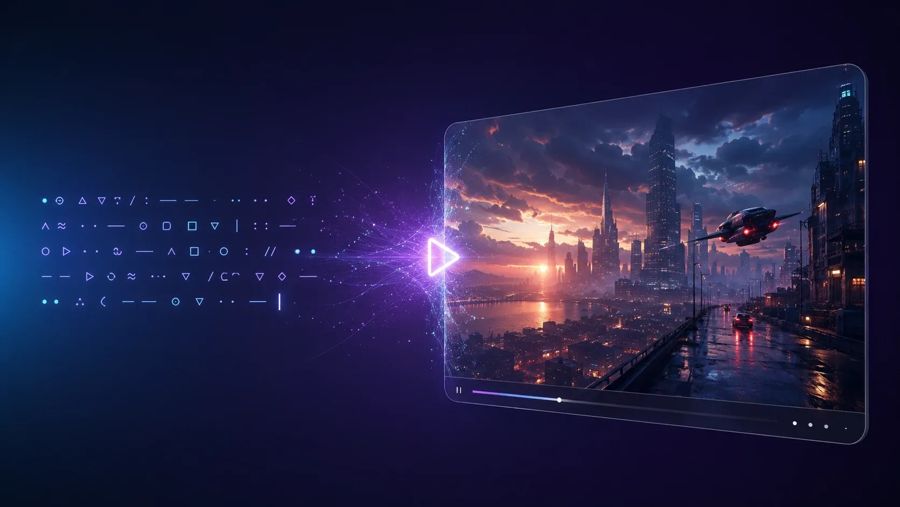
Visual content has become one of the most important parts of digital marketing, social media, websites, blogs, and online advertising. However, producing high-quality images and videos traditionally requires design skills, expensive software, professional equipment, and considerable time. Artificial intelligence is changing this process by allowing creators to generate and transform visual content with simple text prompts and automated tools.
Today, AI-powered platforms can help users create images, improve existing visuals, and even turn static images into engaging video content. These technologies make visual production more accessible while giving experienced designers new ways to experiment with creative ideas.
Building a More Efficient AI Visual Workflow
A successful AI visual workflow starts with choosing tools that match the project's requirements. Before generating content, creators should consider what they need to produce, where the content will be published, and what style they want to achieve.
For people who need quick and accessible image creation, a Free AI Image Generator No Sign Up, No Watermark can simplify the process by allowing users to move from an idea to a visual without unnecessary registration steps. This can be particularly useful when testing concepts, creating social media graphics, developing blog illustrations, or experimenting with different creative directions.
The goal should not simply be to generate as many images as possible. Instead, creators should develop a repeatable process that combines clear prompts, multiple variations, careful selection, and final editing.
The Importance of Effective Prompts
Prompts are central to AI-generated visual content. The instructions provided to an AI model can influence the subject, composition, lighting, colors, environment, perspective, and overall artistic style.
A simple prompt such as “modern office” may produce a generic result. A more detailed instruction could describe a spacious contemporary office with floor-to-ceiling windows, natural morning light, minimalist furniture, indoor plants, realistic textures, and professional architectural photography.
Adding meaningful details gives the model a better understanding of the desired result. Creators can then refine individual elements instead of repeatedly starting from scratch.
Prompt experimentation is also useful. Changing the lighting, camera angle, environment, or artistic style can produce completely different results from the same basic concept. Over time, users can develop prompt templates that make recurring projects faster and more consistent.
Turning Images Into Engaging Videos
AI is no longer limited to static image creation. One of the most useful developments in visual content creation is the ability to transform existing images into short videos.
Platforms like the invidio agent are helping creators manage AI-powered video workflows by turning ideas, assets, and instructions into complete video projects. For creators working with existing visuals, the ability to turn images into videos adds another layer of creativity by transforming static images into dynamic content with motion, transitions, and visual effects.
A Free Image to Video AI Generator can help creators animate static visuals and turn them into dynamic content. Instead of publishing a single still image, users can add movement, camera effects, transitions, or other animated elements to create a more engaging experience.
This can be useful for social media posts, product presentations, promotional campaigns, storytelling, educational content, and short-form video platforms. For example, an e-commerce business could start with a product image and create a short animated presentation that highlights different aspects of the product.
Similarly, a travel creator could transform a landscape image into a cinematic sequence with subtle camera movement. These techniques can make otherwise static content feel more immersive.
Choosing the Right AI Image Generation Platform
There are many AI image-generation platforms available, and their features can vary significantly. When selecting a platform, creators should consider image quality, prompt accuracy, generation speed, available styles, ease of use, and creative controls.
Accessibility is another important factor. A platform with a simple interface can be valuable for beginners who do not have extensive technical or design experience. Professional creators, meanwhile, may prioritize advanced controls and consistency.
It is also worth testing several types of prompts before deciding whether a platform is suitable. Users can try realistic photography, illustrations, product imagery, portraits, landscapes, and complex scenes to understand how well the model handles different requirements.
Creating Better Content Through Iteration
The first AI-generated result is rarely the final result. Strong visual workflows usually involve several rounds of experimentation.
A creator might begin with a basic concept, generate several variations, identify the strongest composition, and then modify the prompt to improve specific details. This iterative process allows users to gradually move toward the desired outcome.
For example, if an image has the correct subject but poor lighting, the prompt can be adjusted to specify soft studio illumination. If the composition feels crowded, the creator can request a cleaner background or wider camera framing.
The same principle applies when creating videos from images. Different movement instructions can be tested until the animation feels natural and supports the original visual rather than distracting from it.
AI Visuals for Social Media
Social media platforms rely heavily on visual content, making AI tools particularly useful for creators and marketing teams. Businesses can quickly develop concepts for Instagram posts, advertisements, promotional campaigns, thumbnails, and short videos.
AI can also help creators maintain a consistent visual identity. By using similar prompt structures, colors, lighting descriptions, and artistic directions, multiple pieces of content can share a recognizable style.
However, consistency does not mean every image should look identical. Creators can maintain certain brand characteristics while changing subjects, compositions, and environments to keep the content fresh.
Product Marketing and Advertising
Businesses can also use AI-generated visuals during product development and marketing. Before investing in a professional photoshoot, a company can create visual concepts to explore different advertising directions.
For example, a product could be visualized in several environments, such as a modern home, outdoor setting, office workspace, or luxury studio. These concepts can help marketing teams decide which creative direction is most effective.
Image-to-video technology adds another layer of flexibility. A static product concept can potentially become a short promotional animation, helping marketers experiment with video campaigns without producing every variation manually.
Combining AI With Traditional Editing
AI generation does not eliminate the need for human creativity. In many professional workflows, AI is most effective when combined with traditional design and editing techniques.
After generating an image, a designer may adjust its dimensions, colors, typography, background, or composition. Video content may also require trimming, sound, captions, transitions, and branding before publication, which is where an AI video production company can take on the finishing work.
This hybrid workflow allows AI to handle repetitive or time-consuming creative exploration while humans remain responsible for the final visual direction and quality control.
Maintaining Quality and Accuracy
Despite rapid improvements, AI-generated content should always be reviewed before publication. Some outputs may contain unwanted objects, inconsistent details, unusual proportions, or visual elements that do not match the original prompt.
Human review is especially important for commercial content. Brands should make sure that generated visuals accurately represent their products and communicate the intended message.
Creators should also consider the requirements of the platform where the content will appear. Image dimensions, video duration, text placement, and file quality can all affect the final result.
The Future of AI-Powered Visual Creation
AI image and video generation are becoming increasingly useful for creators of all skill levels. What once required specialized software and extensive production resources can now be approached through accessible AI-powered workflows.
The future of visual creation will likely involve a combination of text-to-image generation, image-to-video animation, automated editing, and human creative direction. As these technologies continue to improve, creators will be able to develop more sophisticated visual campaigns with fewer production barriers.
The most effective approach is to treat AI as a creative partner. Start with a clear idea, write detailed prompts, generate multiple variations, refine the strongest results, and use editing tools when necessary. By combining image generation with tools that can transform images into video, creators can build a flexible workflow capable of producing engaging content for websites, social media, advertising, and many other digital channels.

