

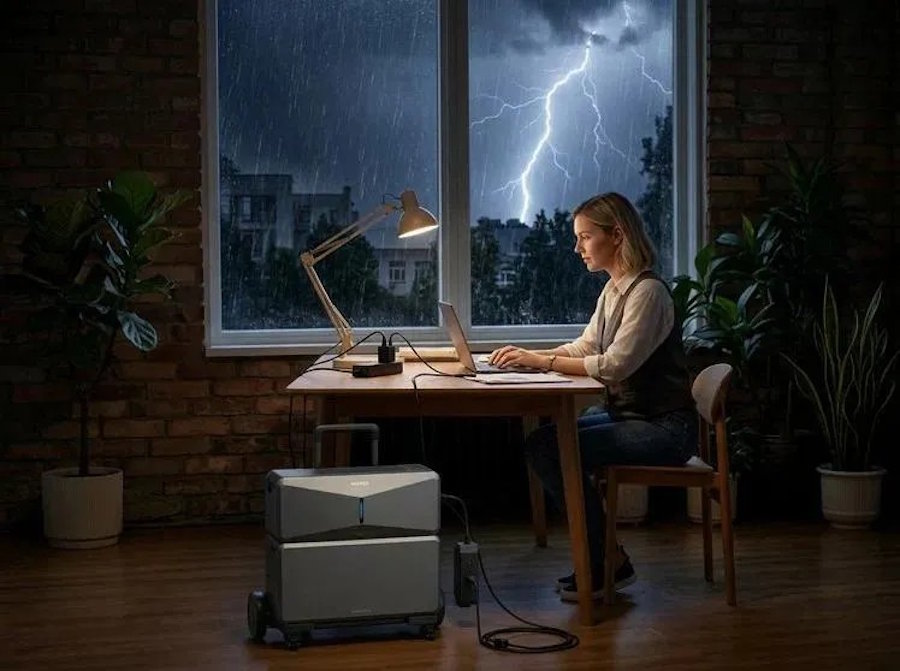
Solar generator capacity determines how well you can keep critical devices running during a blackout. Choosing the right size starts with understanding what you need to power, how many hours you need backup, and how much battery storage is practical for your home. A small unit may cover lights, phones, and a router, while a larger system can support refrigeration, medical equipment, or longer outages. The goal is to match stored energy and output power to real emergency needs, not guess. This guide explains how to calculate power requirements, compare capacity ranges, and use a solar generator more efficiently when utility power fails.
How to Calculate Your Emergency Power Requirements
List Essential Devices You Need During Outages
Start by writing down the devices you truly need during a power outage. Focus on essentials first: refrigerator, freezer, medical equipment, lights, phone chargers, Wi-Fi router, laptop, fans, and a way to prepare simple meals. If you rely on a sump pump or CPAP machine, include those immediately. Separate must-run items from comfort items such as televisions or gaming devices. This list becomes the foundation for choosing solar generator capacity because every added appliance increases the battery size and output you need.
Check Appliance Wattage and Starting Power
Next, check each appliance for running wattage and, if applicable, starting wattage. Running watts show the power needed during normal operation, while starting watts matter for devices with motors or compressors, such as refrigerators, freezers, and pumps. You can find these numbers on product labels, user manuals, or manufacturer pages. Add the running watts of devices you may use at the same time. Then confirm the solar generator can handle the highest surge demand without overloading when appliances first switch on.
Estimate Runtime Based on Daily Energy Use
Battery capacity is usually measured in watt-hours, so estimate daily energy use by multiplying appliance wattage by hours of use. A 100-watt device used for five hours needs 500Wh per day. Repeat that for each essential item and total the results. This number helps you determine how much storage you need for one day of emergency backup. If you want two or three days of reserve power, multiply accordingly. Also leave a margin for conversion losses, cloudy recharging conditions, and unexpected increases in usage.
Choosing the Right Solar Generator Capacity for Your Needs
Select Small Capacity for Basic Emergency Devices
Small-capacity solar generators work best for short outages and low-draw essentials. They are suitable for charging phones, powering LED lights, running a modem or router, and keeping small medical or communication devices active. This range is practical for apartments, dorms, and households that only need basic emergency support. It also fits users who value portability and quick setup. However, small systems usually cannot sustain large appliances for long, so they are best treated as limited backup for critical electronics rather than whole-home emergency power.
Choose Medium Capacity for Essential Home Appliances
Medium-capacity systems offer a better balance between portability and meaningful backup. They can support a refrigerator, several lights, charging devices, internet equipment, and selected kitchen or medical essentials during an outage. For homeowners comparing generator and solar power options, this capacity range provides a practical middle ground between traditional backup and renewable energy storage. This size suits many households that want reliable coverage for core needs without moving to a full home backup system. Anker SOLIX F3800, with 3,840Wh capacity and expandability to 53.8kWh, fits this category well for scalable emergency planning. It gives users room to start with essential coverage and increase stored energy over time.
Consider Larger Capacity for Extended Backup Power
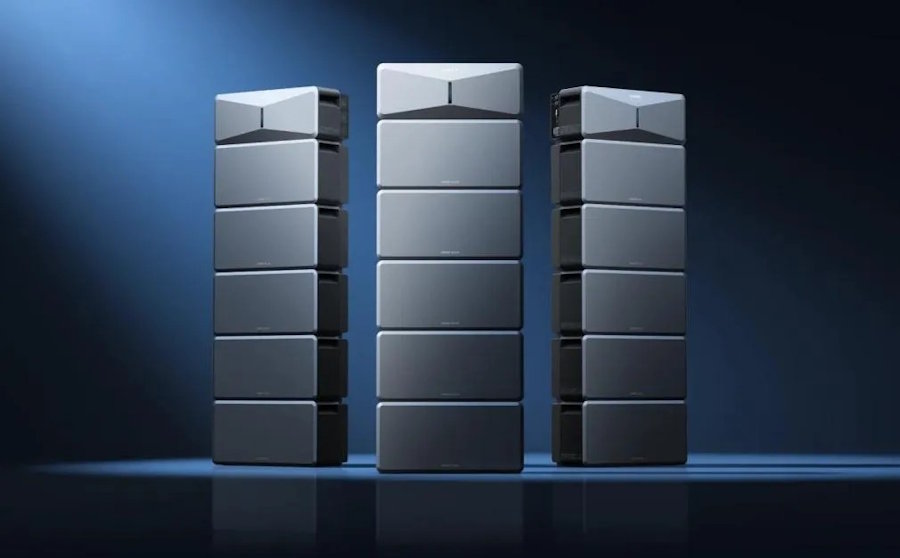
Larger-capacity systems are the right choice when you need extended backup, higher output, or support for more circuits during longer outages. They are useful for larger homes, frequent storm regions, and families with refrigeration, medical devices, pumps, or heavier daily energy demand. Expanded battery systems also reduce the pressure to ration power aggressively. For broader backup planning, Anker SOLIX E10 offers 6-90kWh battery expandability, making it suitable for households that want substantial reserve energy and a setup designed for longer emergency operation.
Tips to Maximize Solar Generator Performance During Emergencies
Reduce Unnecessary Energy Consumption
Conserving electricity extends runtime immediately. Turn off nonessential devices, unplug standby loads, and avoid running multiple high-watt appliances at once. Use LED lighting instead of brighter, less efficient options, and keep refrigerator and freezer doors closed as much as possible. Charge phones and batteries in batches rather than leaving adapters connected continuously. If your solar generator has an app or display, monitor real-time output and remaining battery percentage. Careful load management helps your stored energy last longer and reduces the risk of draining the system too quickly.
Recharge With Solar Panels When Available
Solar panels add valuable recovery time during prolonged outages. Set panels where they receive the most direct sunlight and adjust placement through the day when possible. Even partial recharging can keep communications, lighting, and refrigeration available longer. Prioritize daytime use for appliances that draw more energy so the system can offset some consumption while charging. Keep panel connectors clean and cables secure for better performance. When clear weather follows a storm, solar input can significantly improve your backup strategy and reduce dependence on stored battery alone.
Maintain Battery Health Before Power Failures
A solar generator performs best in an emergency when the battery is properly maintained beforehand. Keep the unit charged according to manufacturer guidance, store it within the recommended temperature range, and inspect cables, ports, and panels regularly. Test the system periodically by powering a few essential devices so you know it works as expected. Update firmware if your model supports it, since performance and battery management improvements may be included. Good maintenance preserves available capacity, supports safe operation, and prevents unpleasant surprises when outages occur unexpectedly.
Conclusion
The right solar generator capacity for emergency use comes from a simple process: identify essential devices, total their wattage, estimate daily energy use, and match those numbers to an appropriate battery size. Small units handle basic electronics, medium systems cover core household needs, and larger expandable setups support longer outages with more confidence. By managing loads carefully, recharging with solar when possible, and maintaining the battery in advance, you can build a backup plan that is practical, efficient, and ready when the grid goes down.

