

Kyoto is often introduced through its temples, shrines, gardens, and traditional wooden streets, but the city offers much more than its most photographed landmarks. Its neighborhoods have developed their own personalities over centuries, creating a destination where travelers can move from busy markets to quiet canals, historic shopping streets, bamboo-covered paths, and traditional food districts within the same trip.
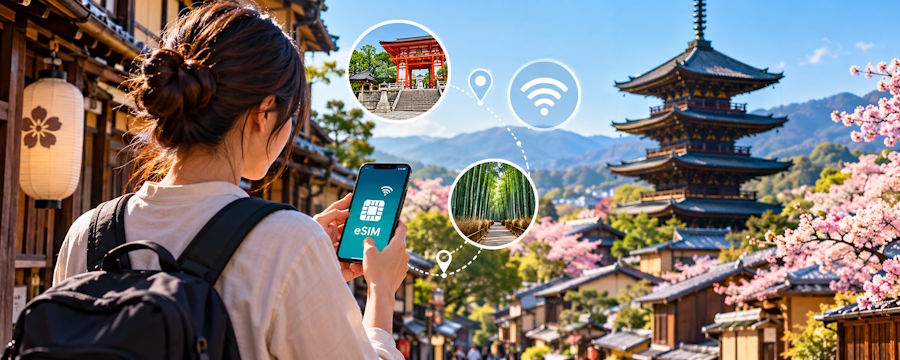
Exploring Kyoto's different neighborhoods is easier when travelers can access maps, train schedules, translation tools, restaurant information, and local recommendations on the move. Visitors planning their connectivity may also research an eSIM with phone number, while services such as Holafly can be considered by travelers looking for a convenient way to stay connected during their time in Japan.
Start With Fushimi's Historic Streets
Fushimi, in southern Kyoto, offers a combination of religious history, waterways, traditional streets, and sake culture. The area was historically important as a river port and remains known for its breweries and distinctive local atmosphere.
Fushimi Inari Taisha is the area's best-known attraction, recognized for its long sequence of vermilion torii gates. Rather than visiting only for photographs, travelers can spend time exploring the surrounding neighborhood and discovering the smaller streets beyond the shrine.
The area also provides opportunities to learn about Kyoto's sake-making tradition, with numerous breweries located around Fushimi.
Explore Kyoto's Traditional Food Scene
Food can provide a completely different way to understand Kyoto. Instead of limiting meals to restaurants near major attractions, travelers can explore markets, small eateries, bakeries, tea shops, and neighborhood restaurants.
Nishiki Market is one of the city's best-known food destinations. The market stretches for roughly 400 meters and contains shops selling seafood, vegetables, dried foods, prepared dishes, sweets, and other local products.
Visitors should follow the market's local etiquette and avoid eating while walking through the main passage. Eating food at the shop where it was purchased is encouraged instead.
Spend Time Around the Kamo River
The Kamo River provides a quieter way to experience Kyoto. Walking beside the water gives visitors a break from crowded sightseeing streets and creates opportunities to observe everyday city life.
Locals use the riverside for walking, relaxing, exercising, and meeting friends. Travelers can simply find a comfortable spot and watch the changing atmosphere throughout the day.
The river is also particularly pleasant around sunset, when the surrounding buildings and bridges begin to take on a softer appearance.
Discover the Quieter Side of Arashiyama
Arashiyama is famous for its bamboo forest, but the wider area contains many places that receive less attention from first-time visitors. The official Kyoto tourism guide highlights quieter areas around Okusaga, including traditional scenery and historic sites away from the busiest routes.
Travelers can explore temples, gardens, small streets, and scenic paths instead of limiting their visit to the famous bamboo grove.
Cycling is another way to see parts of western Kyoto, with routes connecting different attractions and quieter sections of the area.
Visit a Traditional Tea House
Tea culture is closely connected with Kyoto's identity. A traditional tea experience can offer travelers a chance to slow down and appreciate details that are easy to overlook during a busy sightseeing schedule.
Rather than treating tea simply as another drink, visitors can observe the preparation, presentation, surroundings, and quiet atmosphere associated with the experience.
Even a short break at a traditional tea house can provide a welcome contrast to the crowds around major tourist attractions.
Walk Through Yamashina
Yamashina is another part of Kyoto worth considering for travelers who want to explore beyond the central sightseeing areas. The district contains temples and historical locations while maintaining a different pace from the city's busiest tourist zones.
The area can be particularly appealing to visitors who enjoy combining cultural sightseeing with quieter walks.
Exploring less crowded districts also helps distribute tourism beyond the most popular areas, something Kyoto actively encourages as part of responsible travel.
Experience Kyoto's Seasonal Character
Kyoto changes dramatically throughout the year. Spring brings blossoms, summer creates lush green landscapes, autumn transforms temple grounds and mountains with colorful foliage, and winter gives the city a quieter atmosphere.
Seasonality can influence which neighborhoods travelers may enjoy most. Some areas are particularly attractive for gardens and foliage, while others become interesting during festivals or seasonal cultural events.
Planning around the season can therefore make a familiar attraction feel completely different from one visit to another.
Travel Around the City Efficiently
Kyoto's transportation network connects central neighborhoods with eastern, western, northern, and southern parts of the city. Trains and buses can make it practical to combine several areas during a longer stay.
However, travelers should avoid creating overly complicated daily routes. Visiting attractions that are geographically close to each other on the same day can save time and reduce unnecessary travel.
Walking should also be included in the itinerary whenever possible. Some of Kyoto's most enjoyable experiences happen between major destinations rather than inside them.
Respect Kyoto's Local Character
Kyoto's attractions are often located close to residential neighborhoods, meaning travelers should remember that the city is also home to people who live ordinary daily lives. The official tourism guide encourages visitors to remain considerate of local communities.
This includes avoiding unnecessary noise, respecting photography restrictions, keeping pathways clear, and following instructions at temples, shrines, markets, and residential streets.
In Gion and other popular areas, visitors should be particularly careful about where photography is permitted and avoid interfering with residents or local workers.
Make Room for Unplanned Discoveries
One of the best ways to experience Kyoto is to leave part of the itinerary open. A small shopping street, quiet temple, traditional café, or scenic lane can become an unexpected highlight.
Travelers who spend every hour moving between famous attractions may miss the everyday details that make Kyoto distinctive. Slowing down can reveal a different side of the city that does not always appear in standard travel guides.
For visitors who enjoy entertainment and celebrity content during their downtime, quiet moments at a hotel or café can also be a chance to browse online stories and topics such as NetWorth Of Star before heading back out to explore.
Kyoto ultimately rewards travelers who look beyond the obvious attractions. Its historic neighborhoods, food culture, riverside paths, traditional crafts, seasonal scenery, and quieter districts create countless ways to experience the city. Instead of trying to complete a checklist of famous places, visitors can choose a few areas, explore them carefully, and allow enough time for the unexpected. That slower approach can turn a short visit into a much more memorable experience.

