

Sharing information online has become part of everyday life. People send articles through messaging apps, promote products on social media, share videos with friends, and distribute business resources through email. In almost every case, links make that sharing possible.
However, not every web address is easy to share. Some URLs are short and simple, while others can contain long strings of words, numbers, symbols, tracking parameters, and technical information. A complicated URL can look messy and may be difficult to copy or remember.
This is where a URL Shortener can make a surprisingly big difference. By converting a long web address into a compact short link, these tools make digital sharing simpler, cleaner, and more convenient.
What Is a URL Shortener?
A URL Shortener is an online tool that converts a long web address into a shorter URL. The new link redirects visitors to the original webpage when they click it.
The concept is simple. You provide the original URL, and the service creates a shorter version that you can share with others.
For example, a lengthy product page, article, or landing-page address can be converted into a compact link. Instead of displaying dozens of characters, the shortened URL provides a much cleaner way to direct users to the same destination.
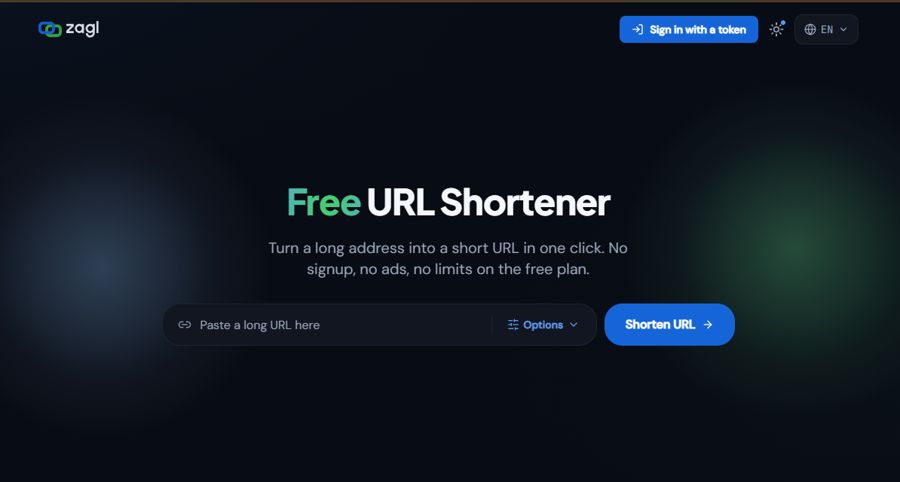
Services such as za.gl make it possible to create shorter URLs without requiring users to manually modify complicated web addresses.
Why Are Long URLs a Problem?
Long URLs are not necessarily harmful, but they can be inconvenient.
A lengthy web address may take up a large portion of a social media post or email. It can also wrap across multiple lines in messaging apps, making it difficult to read or copy.
Long URLs may also contain technical information that has little meaning to the average user. For example, an address might include tracking codes, session information, category paths, or other parameters.
When someone receives a complicated URL, they may have difficulty understanding what it represents.
A short link solves many of these practical problems by providing a more compact alternative.
Short Links Make Social Media Cleaner
Social media is one of the most obvious places where shortened URLs can be useful.
People want their posts to be easy to read and visually appealing. A long URL can interrupt the flow of a caption or promotional message.
Using a short link allows creators and businesses to keep their posts focused on the main content.
For example, a business promoting a new service can write an engaging description and then include a concise link for users who want more information.
This creates a cleaner presentation without removing access to the original webpage.
Easier Sharing Through Messaging Apps
Messaging platforms are another important area for short links.
People constantly send website addresses through private messages, group chats, customer conversations, and professional discussions.
Long URLs can make messages unnecessarily large and difficult to scan.
A short link can be copied and pasted quickly, making it easier for both the sender and recipient.
This can be particularly useful for customer support teams that regularly send users links to help articles, product pages, forms, or other online resources.
Short Links Are Useful for Email
Email remains an important communication channel for businesses and individuals.
Newsletters, promotional emails, announcements, and regular business messages can contain multiple links. When those URLs are lengthy, they can make the email appear cluttered.
A URL Shortener can help create cleaner links that fit naturally into an email.
For example, instead of displaying a complicated URL underneath a promotional message, a business can provide a concise link or attach the link to a clear call-to-action phrase.
This keeps the email organized while still giving recipients direct access to the desired webpage.
Better Links for Marketing Campaigns
Digital marketers often share links across multiple platforms. A single campaign might appear on social media, websites, emails, advertisements, and messaging platforms.
Managing long URLs across all these channels can be inconvenient.
Shortened URLs provide a simpler way to distribute campaign links.
Depending on the service, marketers may also have access to analytics that provide information about link activity. This can help them understand how audiences interact with different campaigns.
For example, a business might use separate short links for social media and email promotions. Comparing their performance can provide useful information about which channel generates more engagement.
Short Links and Printed Materials
URL shortening is not limited to digital communication.
Businesses often place website addresses on business cards, brochures, posters, flyers, menus, packaging, and event materials.
A long URL can be difficult for someone to type manually from a printed page.
A shorter URL reduces the amount of typing required and makes the address easier to remember.
Short links can also be combined with QR codes. Instead of manually typing the address, users can scan the code with their smartphones and visit the associated webpage.
This creates a convenient bridge between offline and online marketing.
Make Links Easier to Remember
A complicated URL can be difficult to remember, especially if someone needs to type it later.
A short link can be much easier to recognize and communicate.
This is particularly useful for promotional campaigns, events, special offers, and resources that businesses expect people to access repeatedly.
A simple link can also be easier to communicate verbally. If someone needs to tell another person where to go online, fewer characters generally make the process easier.
Short Links Can Save Space
In many forms of digital communication, space matters.
A long URL can consume valuable characters in a social media post, text message, advertisement, or email.
A shortened link takes up less space, leaving more room for the actual message.
This can be particularly useful for marketers who want to include a strong call to action without allowing the URL to dominate the content.
The goal is not simply to make the URL smaller. It is to make the entire communication more efficient.
Link Analytics Can Provide Useful Insights
Some URL-shortening platforms provide analytics alongside their shortening functionality.
Depending on the service, users may be able to see information such as the number of clicks, general geographic information, or the types of devices used to access a link.
These insights can help businesses understand how their content is performing.
For instance, if one campaign receives significantly more clicks than another, marketers can investigate what made that campaign more effective.
Analytics can therefore turn a simple short link into a useful component of a larger digital marketing strategy.
However, available analytics features vary between services, so users should check the specific tools offered by their chosen platform.
Short Links and Mobile Sharing
Mobile devices are central to modern internet use. People discover content, communicate, shop, and interact with businesses through smartphones every day.
Long URLs can be awkward on smaller screens. They may wrap across several lines and become difficult to copy.
A short link is more compact and can be easier to share through mobile messaging apps, social networks, and email.
For businesses with a mobile-focused audience, simplifying the link-sharing process can improve the overall experience.
Are Short Links Good for SEO?
It is important to understand that shortening a URL does not automatically improve search engine rankings.
SEO involves many factors, including content quality, relevance, website performance, backlinks, technical optimization, and user experience.
A URL Shortener is primarily a sharing and link-management tool.
However, short links can support marketing activities by making URLs easier to distribute across different channels. They can therefore play a supporting role in a broader digital strategy without being considered an SEO ranking shortcut.
Using Short Links Responsibly
Although shortened URLs are convenient, users should consider trust and transparency.
Because a short link may not reveal the full destination, people may hesitate to click an unfamiliar address.
For this reason, businesses should use reputable URL-shortening services and avoid misleading destinations.
It is also helpful to provide context. Instead of posting a shortened URL without explanation, tell users what they will find after clicking.
Testing every short link before publishing it is another simple but important step. A broken link can create frustration and negatively affect a campaign.
How to Create a Short Link
Creating a short link is usually quick.
Start by copying the complete URL of the webpage you want to share. Then open a URL-shortening service such as za.gl and paste the address into the appropriate field.
The service generates a shorter version of the URL. You can then copy the new address and use it wherever you need it.
Before sharing it publicly, click the link yourself to confirm that it reaches the correct destination.
The Big Impact of a Small Link
A short link may look like a small change, but it can have a meaningful impact on digital communication.
It can make social media posts cleaner, messages easier to read, emails more organized, printed materials more convenient, and marketing campaigns easier to manage.
A URL Shortener also gives businesses and creators an efficient way to handle complicated web addresses without changing the destination itself.
The internet will continue to rely on links for sharing information and connecting people with online resources. As digital communication becomes increasingly fast-paced, simplicity will remain valuable.

