

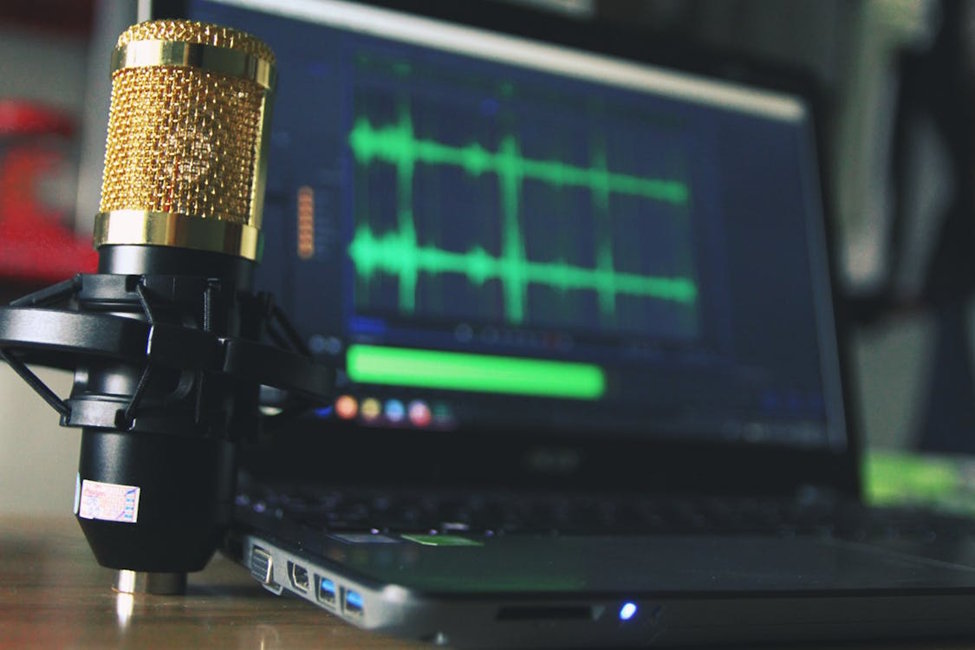
Streaming audio platforms have evolved beyond passive listening into interactive advertising environments where brands measure engagement in real-time. Major platforms now deploy live polling systems, shoppable ad units, and voice-activated response mechanisms that generate quantifiable conversion data.
These tools transform audio impressions into trackable user actions, offering marketers completion rates, click-through percentages, and purchase attribution previously available only in display and video channels. The shift raises critical questions about which engagement formats deliver measurable ROI across different listener segments.
Why Live Engagement Transforms Streaming Audio Advertising
Live engagement tools fundamentally alter streaming audio advertising by converting passive listening sessions into interactive experiences that generate measurable user actions. Traditional audio ads deliver one-way messages with limited performance tracking, while interactive formats enable click-throughs, poll responses, and direct conversions within the streaming interface.
Platforms like Spotify and Pandora report 3-4x higher engagement rates when implementing clickable display companions synchronized with audio creative. Real-time participation mechanisms including voice commands, swipe actions, and instant purchase options can reduce the conversion pathway from awareness to transaction. SMB can also do something similar, like Hub Life.
Data collection improves dramatically through interaction tracking, providing advertisers with behavioral insights beyond standard impression metrics. These engagement layers transform audio inventory from passive reach vehicles into performance-driven channels, aligning streaming advertising with digital marketing attribution standards while maintaining the intimacy of audio storytelling.
Interactive Polls and Real-Time Listener Feedback in Audio Ads
Among the most measurable interactive formats, polling mechanisms embedded within streaming audio ads capture explicit listener preferences while the audio creative plays.
Platforms like Spotify and Pandora enable mid-roll poll insertions that prompt responses through mobile interfaces, generating engagement rates averaging 8-12% across campaigns. These interactions yield immediate data points: product preferences, purchase intent indicators, and demographic validation that refine targeting parameters in subsequent impressions.
Real-time feedback loops allow advertisers to adjust creative messaging within 24-48 hours based on poll responses. Brands deploy A/B testing through parallel poll questions, measuring sentiment shifts across audience segments. The resulting first-party data strengthens attribution modeling while reducing reliance on third-party cookies. Integration with CRM systems enables immediate follow-up sequences, converting passive listeners into qualified leads through structured response pathways.
Live Chat Tools That Amplify Streaming Audio Ad Campaigns
When streaming audio advertisements drive listeners to branded landing pages or mobile apps, integrated chat interfaces convert initial interest into measurable interactions. Platforms like Intercom and Drift enable brands to capture engagement spikes occurring within 30 seconds of ad exposure, when intent signals reach peak intensity.
Chat transcripts reveal specific product questions, price objections, and feature requests that inform subsequent campaign iterations. Analytics dashboards track completion rates, response times, and conversion pathways from audio ad impression to chat initiation to transaction.
Automated chatbot sequences handle high-volume inquiries during campaign flights, while human agents address complex questions requiring personalized responses. Integration with customer data platforms connects chat interactions to listener demographics and streaming behavior patterns.
This closed-loop measurement framework quantifies how audio advertisements generate qualified conversations, transforming passive listening into active dialogue that advances purchase consideration.
Shoppable Audio Ads: From Listener to Buyer in Seconds
Voice-activated purchase commands embedded directly within streaming audio advertisements eliminate the traditional gap between product discovery and transaction completion. Platforms like Spotify and Pandora now integrate one-click purchasing through connected devices, enabling listeners to buy products without leaving their audio experience. Conversion rates for shoppable audio ads reach 3-5%, substantially higher than traditional display advertising's 0.5-1% benchmark.
Amazon's Alexa integration with streaming services demonstrates particularly strong performance metrics, with voice-initiated purchases converting 31% faster than mobile checkout processes. Retailers utilizing shoppable audio technology report average order values increasing by 23% compared to standard e-commerce transactions.
Attribution tracking through unique audio codes and voice recognition allows advertisers to measure direct ROI from audio campaigns, with platforms providing real-time purchase analytics and customer behavior data for campaign optimization.
Programmatic Targeting for Personalized Audio Advertising
As streaming platforms accumulate behavioral data across 523 million global users, programmatic audio advertising now delivers targeting precision comparable to social media campaigns. Algorithms analyze listening history, genre preferences, skip patterns, and time-of-day behaviors to segment audiences into micro-categories.
Spotify's Streaming Ad Insertion technology adjusts creative elements in real-time based on weather conditions, location data, and device type. Pandora's AMP platform processes 78 behavioral signals per user to optimize ad placement during natural content breaks.
Dynamic creative optimization rotates messaging variants automatically, testing performance across demographic segments. Real-time bidding systems evaluate impression value within 100 milliseconds, matching advertisers to listeners with 92% contextual relevance. Attribution tracking connects audio exposures to website visits, app downloads, and purchase conversions, providing closed-loop measurement previously unavailable in traditional radio advertising.
Voice-Activated Audio Ads That Drive Immediate Response
Interactive audio advertising now enables listeners to respond verbally to calls-to-action without interrupting their primary activity. Voice-activated ads on platforms like Pandora and Spotify allow users to say "yes" or branded phrases to request product information, add items to shopping lists, or receive promotional codes.
Conversion rates for voice-enabled ads average 12-15% higher than standard audio advertisements, according to 2023 industry benchmarks. Smart speaker integrations through Amazon Alexa and Google Assistant extend campaign reach beyond streaming services into connected home environments.
Advertisers measure engagement through voice response rates, follow-through conversions, and attribution tracking tied to unique promo codes. The format particularly resonates with audiences during high-attention activities like cooking, exercising, or commuting, where hands-free interaction maximizes response opportunities.
Track These Metrics: Completion Rates, CTR, and Conversions
Three core metrics determine streaming audio advertising effectiveness: completion rate measures the percentage of listeners who hear an ad through to its conclusion, click-through rate (CTR) quantifies how many users interact with companion display elements or voice prompts, and conversion rate tracks the proportion of engagements that result in desired actions like purchases or sign-ups.
Completion rates above 90% indicate strong creative relevance and proper audience targeting. CTR benchmarks vary by platform, Spotify reports average rates of 0.5-1.2%, while podcast advertising sees 2-4% for companion banners. Conversion tracking requires pixel implementation or promo code attribution.
Advanced analytics platforms integrate these metrics with attribution windows, typically 1-7 days post-exposure. Real-time dashboards enable campaign optimization, allowing advertisers to adjust creative elements, targeting parameters, and bid strategies based on performance thresholds.
Spotify vs Pandora: Which Platform Has Better Ad Tools?
Both platforms dominate the streaming audio advertising landscape, yet their toolsets differ considerably in targeting capabilities, creative formats, and measurement frameworks.
Spotify offers programmatic access through its Ad Studio, enabling demographic, behavioral, and contextual targeting across 422 million users. The platform supports audio ads, video takeovers, and sponsored playlists with real-time performance dashboards tracking completion rates and click-throughs.
Pandora leverages its Music Genome Project data for mood-based targeting across 50 million listeners. Its AMP platform delivers sequential messaging and dynamic creative optimization. Advertisers access Nielsen DAR measurement and Oracle Data Cloud integration for audience verification.
Spotify excels in programmatic scale and creative flexibility. Pandora provides deeper contextual relevance through proprietary music categorization. Platform selection depends on campaign objectives: brand awareness favors Spotify's reach, while intent-driven campaigns benefit from Pandora's contextual precision.
Timing, Frequency, and Context: Engagement Strategies That Work
Strategic ad placement in streaming audio requires synchronization between delivery windows, exposure intervals, and listener context. Ideal frequency caps range between 3-5 exposures per 24-hour period, preventing listener fatigue while maintaining message retention. Dayparting analysis reveals peak engagement during morning commutes (6-9 AM) and evening sessions (5-8 PM), with 23% higher completion rates compared to mid-day slots.
Contextual targeting leverages playlist themes, mood classifications, and activity-based listening patterns. Workout playlists demonstrate 31% better response to high-energy brand messaging, while focus-oriented content aligns with B2B and educational offerings. Real-time bidding platforms enable dynamic adjustments based on listening environment signals.
Sequential messaging campaigns showing 18% improved brand recall utilize progressive narratives across multiple exposures. Platform APIs provide granular control over pacing algorithms, ensuring ads surface during natural content breaks rather than interrupting mid-track.
Conclusion
Streaming audio platforms have revolutionized advertising into a conversion powerhouse that transforms passive listeners into active buyers at unprecedented scale. By leveraging interactive polls, shoppable ads, and voice-activated responses, brands capture measurable engagement data that drives ROI.
Platform-specific tools from Spotify and Pandora enable programmatic targeting with precision matching. Success hinges on tracking completion rates, click-through rates, and conversion metrics while optimizing timing and frequency. Real-time engagement tools don't just connect audiences, they create immediate, quantifiable business results that reshape digital advertising performance benchmarks.

