

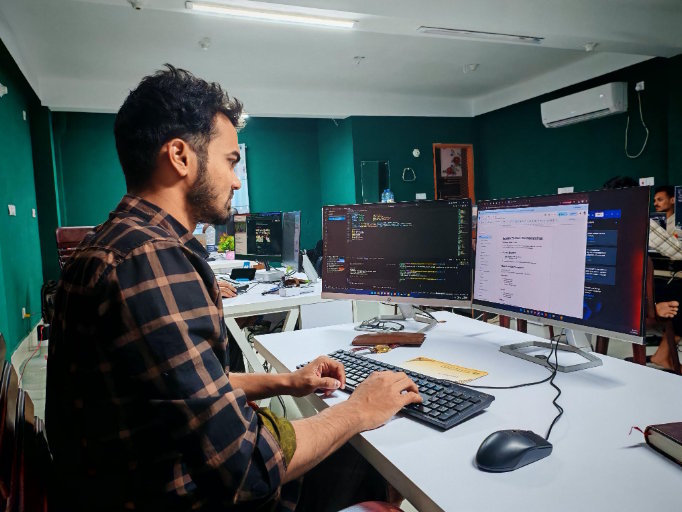
Balancing security and daily operations is one of the most important challenges modern businesses face. On one hand, protecting sensitive data and systems is essential for long term stability. On the other hand, overly strict security measures can create friction that slows down productivity and frustrates employees.
Business owners must find a way to ensure that safety does not come at the expense of efficiency. The goal is to create systems that protect critical information while allowing teams to work smoothly and without interruption. With the right approach, it is possible to build an environment where both priorities support each other rather than compete.
Designing Security Systems That Support Workflow
Security measures are most effective when they align naturally with how work gets done. When systems are designed without considering daily workflows, employees often experience unnecessary delays or complications. This can lead to shortcuts that weaken security or cause frequent disruptions.
A more thoughtful approach involves integrating tools that enhance protection while remaining easy to use. For example, implementing a password firewall allows businesses to monitor credential usage and block suspicious activity without complicating login processes. This creates a layer of protection that operates in the background while employees focus on their tasks.
When security tools are intuitive and reliable, they become part of the workflow rather than an obstacle. This reduces frustration and ensures that employees follow proper procedures consistently. Over time, this alignment strengthens both efficiency and protection.
Reducing Friction in Daily Access
Access issues are one of the most common ways security measures interfere with productivity. Complicated login requirements or frequent authentication steps can slow down even the simplest tasks. When employees are repeatedly interrupted, it affects focus and overall performance.
Streamlining access systems helps reduce this friction. Single sign on platforms and secure credential storage tools allow employees to move between systems without repeated logins. This saves time while still maintaining strong security standards.
It is also important to ensure that access systems are reliable across devices. Employees often switch between desktops, laptops, and mobile devices throughout the day. A consistent and seamless experience across all platforms helps maintain momentum and prevents unnecessary delays.
Encouraging Smart Employee Practices
Employees are a key part of any security strategy. Their daily actions have a direct impact on both system safety and operational efficiency. Without proper guidance, even well designed systems can be misused or overlooked.
Providing ongoing education helps employees understand how to manage access and recognize potential risks. Training sessions that focus on practical habits create awareness without overwhelming users. When employees understand the importance of these practices, they are more likely to follow them consistently.
Encouraging accountability also plays an important role. When team members take responsibility for maintaining secure habits, the entire organization benefits. This shared effort supports a balanced environment where security and productivity coexist effectively.
Using Data to Improve Both Security and Efficiency
Monitoring system activity provides valuable insights that can be used to improve operations. By analyzing patterns such as login behavior and access frequency, businesses can identify areas where improvements are needed. This information helps refine both security measures and workflow processes.
For example, frequent login failures may indicate that access systems are too complicated or that employees need additional training. Addressing these issues can reduce disruptions while strengthening security. This data driven approach ensures that improvements are based on real experiences rather than assumptions.
Regular evaluations also help businesses stay adaptable. As technology evolves, new challenges and opportunities will arise. Continuously reviewing systems ensures that they remain effective and aligned with both security goals and operational needs.
Building Flexibility Into Security Strategies
Rigid systems can create problems when business needs change. As companies grow or adopt new technologies, their security requirements also evolve. Systems that cannot adapt may become inefficient or difficult to manage.
Flexible security solutions allow businesses to adjust their approach as needed. This may involve updating access controls, integrating new tools, or refining processes to match changing workflows. Flexibility ensures that security measures continue to support operations rather than hinder them.
A scalable approach also prepares businesses for future growth. By planning ahead, owners can avoid the need for major overhauls later. This creates a more stable and sustainable system that evolves alongside the business.
Conclusion
Balancing safety and daily operations requires a thoughtful and proactive approach. By designing user friendly security systems, reducing access friction, maintaining system health, and empowering employees, businesses can create an environment where protection and productivity work together. Each of these strategies contributes to a more efficient and secure operation.
When security is integrated seamlessly into daily workflows, it becomes a strength rather than a burden. Businesses that prioritize this balance are better equipped to handle challenges while maintaining consistent performance. With the right mindset and tools, it is possible to protect what matters without slowing down progress.

