

Remote work has evolved from a temporary trend into a long-term lifestyle for millions of professionals. Software developers, designers, marketers, consultants, content creators, and entrepreneurs are increasingly choosing to work from different countries while maintaining the same level of productivity they would have in a traditional office. This shift has created a new generation of professionals known as digital nomads, and one challenge remains common regardless of destination: staying connected.
An internet connection is no longer simply a convenience. It is the foundation of daily work. Video meetings, cloud storage, Git repositories, project management platforms, messaging apps, AI tools, VPN services, and online collaboration all depend on fast and reliable mobile data. Losing connectivity, even for a short period, can interrupt meetings, delay client communication, or affect important deadlines.
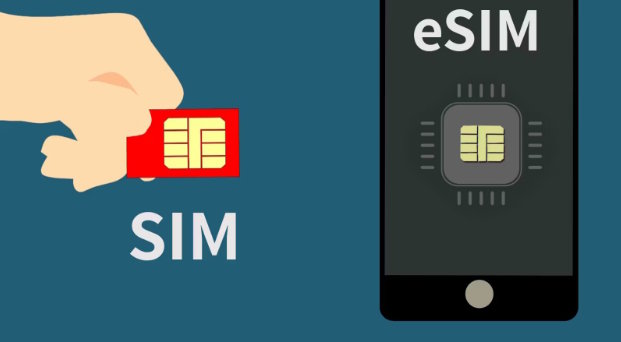
For many years, international travelers relied on physical SIM cards to stay online. Every new destination meant visiting a local mobile operator, comparing prepaid plans, providing identification when required, waiting for activation, and replacing the SIM card inside the phone. While this process worked, it became increasingly inconvenient for people constantly moving between countries.
Today, more digital nomads are replacing traditional SIM cards with an eSIM, a technology that has transformed how mobile connectivity works.
Unlike physical SIM cards, an eSIM is built directly into compatible smartphones, tablets, and even some laptops. Instead of inserting a plastic card, users activate a mobile plan digitally. Depending on the provider, installation may take only a few minutes through a QR code or a dedicated mobile application.
This digital-first approach removes several unnecessary steps from the travel experience. Connectivity can be arranged before departure, allowing users to arrive with mobile data already configured. There is no need to search for a mobile store after landing or spend valuable time comparing unfamiliar local operators.
For professionals whose work begins the moment they arrive, this alone represents a significant improvement.
Another important advantage is flexibility. Digital nomads rarely stay in one country for extended periods. Many spend several weeks in Portugal before continuing to Spain, France, Italy, Croatia, Greece, or Germany. Others combine Europe with destinations in Asia or North America throughout the year.
Switching physical SIM cards every time a border is crossed quickly becomes frustrating. Regional mobile plans solve this problem by allowing users to travel across multiple countries using the same activation.
This is one of the reasons why eSIM for Europe has become increasingly popular among remote workers. Instead of purchasing individual plans for every destination, travelers can remain connected across dozens of European countries while managing everything through a single digital profile. The result is less administrative work, fewer interruptions, and a much smoother travel experience.
The financial benefits are equally important.
International roaming has traditionally been one of the most expensive aspects of traveling. Although roaming regulations have improved in some regions, many destinations still charge significant fees when using a domestic mobile plan abroad. Purchasing local SIM cards can reduce costs, but it often requires additional time and effort every time a traveler changes countries.
eSIM providers simplify this process by offering prepaid data packages with transparent pricing before departure. Users know exactly how much data they are purchasing and how long the plan remains active. There are no unexpected roaming bills waiting after the trip.
Beyond cost savings, convenience has become one of the strongest reasons professionals adopt eSIM technology.
Many modern smartphones support multiple SIM profiles simultaneously. This allows digital nomads to keep their primary phone number active for calls, banking verification codes, authentication messages, and personal contacts while using an eSIM exclusively for mobile data. Maintaining access to both numbers without carrying two devices is especially valuable for freelancers, consultants, and business owners working internationally.
Security also deserves attention.
Every time travelers purchase a physical SIM card from an unfamiliar vendor, they expose themselves to varying registration processes, language barriers, and inconsistent customer support. Digital activation reduces many of these challenges. Most reputable eSIM providers allow users to purchase, install, and manage plans online before traveling, making the process considerably more predictable.
From a technical perspective, eSIM technology also aligns with the direction the mobile industry is heading.
Leading smartphone manufacturers continue expanding eSIM support across flagship devices. Several recent models even ship without a traditional SIM tray in certain markets, demonstrating growing confidence in digital connectivity. Mobile operators around the world are likewise increasing eSIM compatibility, making international adoption easier each year.
This broader ecosystem benefits travelers because availability continues to improve while activation becomes more standardized across networks.
Providers have also evolved significantly over the last few years. Rather than offering connectivity for only one destination, many companies now support hundreds of countries through regional and global packages. Travelers can also explore different eSIM providers and plans through All Things eSIM before choosing an option that fits their destination and travel needs.
Similar innovations are transforming the tourism industry, where businesses increasingly rely on adventure travel software to streamline reservations, manage availability, and deliver smoother customer experiences alongside modern travel technologies. Among these providers is MobiSIM, which offers digital mobile data plans for destinations across Europe, North America, Asia, the Middle East, and many other regions. The platform is designed to let travelers activate connectivity before departure and stay online immediately after arrival without replacing their primary SIM card.
For digital nomads, this means spending less time dealing with mobile operators and more time focusing on work, clients, and exploring new destinations.
The growing popularity of cloud computing has made reliable mobile connectivity even more important. Developers frequently deploy applications directly from laptops while traveling. Designers synchronize large creative files between devices. Marketing teams collaborate through cloud-based dashboards, while entrepreneurs rely on continuous access to communication platforms throughout different time zones.
In all these situations, internet connectivity is no longer optional—it is essential infrastructure.
As remote work continues expanding worldwide, the expectations around connectivity are changing as well. Professionals increasingly want solutions that are fast to activate, easy to manage, affordable, and capable of following them across borders without interruption.
That is precisely why more digital nomads are moving away from traditional SIM cards. eSIM technology removes unnecessary complexity from international travel while providing the flexibility modern professionals expect. Whether working from a coworking space in Barcelona, a café in Prague, or a beachfront apartment in Split, staying connected has become simpler than ever before.
For a lifestyle built around mobility, flexibility, and productivity, eSIM is quickly becoming the new standard rather than the exception.

