


AI connectivity helps devices work better together by making communication faster, smarter, and more responsive to user behavior. Instead of acting like separate tools, phones, tablets, laptops, and wearables can share data, sync actions, and continue tasks with less friction. That creates a smoother digital experience for work, entertainment, and daily routines. AI improves how devices recognize context, prioritize connections, and automate actions in the background. The result is a connected ecosystem that saves time, reduces manual steps, and helps users move between devices more naturally throughout the day.
How Does AI Connectivity Improve Device Collaboration?
Enabling Faster and Smarter Data Sharing Between Devices
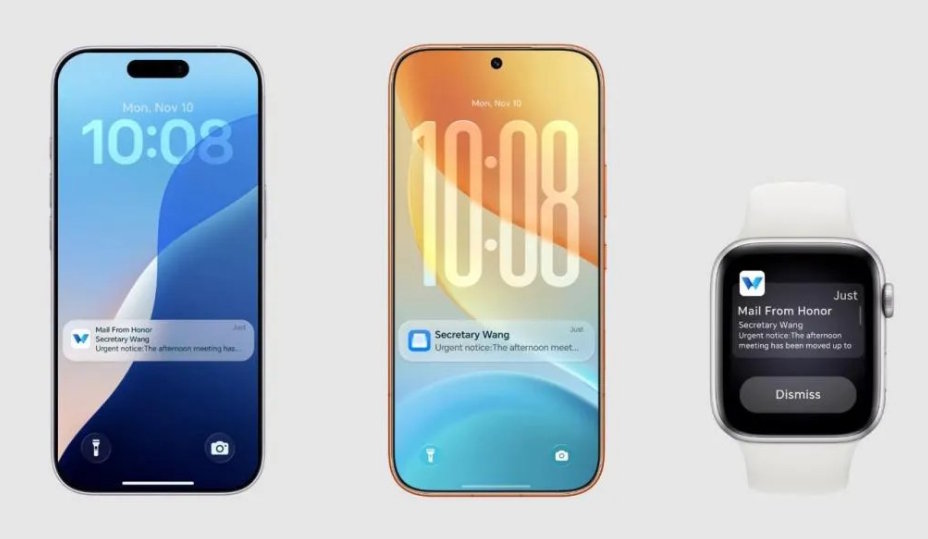
AI connectivity improves device collaboration by making data sharing quicker and more efficient. It can identify the best connection method, reduce transfer delays, and prioritize important files or actions based on context. That means users spend less time pairing devices, choosing settings, or repeating steps. A strong example is how the HONOR 600 Pro in Qatar can instantly connect with iPhone and Mac with a single tap, enabling smooth file transfers. It also supports real-time screen sharing and drag-and-drop file exchange with Mac or Windows computers, allowing productivity to flow effortlessly across devices. These features show how AI-supported connectivity removes friction and helps information move where it is needed without interrupting the user’s workflow.
Creating More Seamless Connections Across Digital Ecosystems
AI connectivity helps devices form smoother links across a wider digital ecosystem, so users can move from one screen to another without breaking focus. Instead of treating each device as a separate destination, AI can recognize active tasks, nearby hardware, and preferred usage patterns to maintain continuity. A photo opened on a phone can be edited on a computer more easily, while notifications, media controls, and shared content can stay synchronized. This creates a more unified experience across personal and work devices. By reducing connection errors and unnecessary prompts, AI supports a system that feels more coordinated, helping users switch contexts faster and manage digital activity with less confusion and less effort overall.
What AI Features Help Devices Work More Intelligently Together?
Using AI to Understand User Needs and Optimize Connections
One of the most useful AI features is its ability to understand user habits and optimize connections accordingly. It can learn which devices a person uses most often, when they switch between them, and what type of tasks usually follow. With that insight, AI can prepare faster pairing, suggest relevant actions, and keep important services running smoothly in the background. For example, it may prioritize a stable link for a video meeting, speed up file access during work hours, or maintain continuity for media playback across devices. This kind of intelligent adjustment reduces interruptions and helps connected devices respond in ways that feel timely, personalized, and practical for everyday use.
Automating Tasks Across Multiple Connected Devices
AI connectivity also makes devices work more intelligently by automating routine actions across several products at once. Instead of manually sending files, opening the same app on another screen, or adjusting settings repeatedly, users can rely on AI to trigger the next step automatically. A document can sync to another device, a screen can mirror when needed, or shared controls can activate based on current activity. This saves time and limits small interruptions that add up throughout the day. Automation is especially useful when users move between communication, entertainment, and productivity tasks. By handling repetitive background processes, AI allows connected devices to function more like one coordinated system than separate tools.
Why Is AI Connectivity Useful for Everyday Smartphone Users?
Improving Productivity Through Connected Workflows
For everyday smartphone users, AI connectivity improves productivity by turning separate actions into connected workflows. A phone often sits at the center of daily communication, planning, and file access, so better coordination with other devices can remove delays. Users can start a task on one screen and continue it on another with fewer manual steps. Notes, images, messages, and documents become easier to access where they are most useful. AI also helps reduce distractions by keeping relevant information available and minimizing unnecessary switching between apps or devices. That makes common tasks such as working on presentations, sharing files, reviewing content, or managing schedules feel faster, smoother, and easier to complete efficiently.
Making Daily Digital Experiences More Convenient
AI connectivity adds convenience by simplifying the small digital actions people repeat every day. It helps devices stay aware of each other, so users can spend less time reconnecting, searching, or adjusting settings. Simple activities such as moving photos, replying to messages, viewing content on a larger screen, or sharing files become more direct and less frustrating. AI can also support better timing by surfacing the right connection or action when it is most likely to be useful. For smartphone users, that means technology feels less demanding and more supportive. Daily routines become easier to manage because connected devices respond quickly, work in sync, and reduce avoidable friction across common digital tasks.
Conclusion
AI connectivity can make devices work better together by improving sharing, coordination, and automation across everyday digital tools. It helps users move between devices with fewer steps, more reliable connections, and better continuity for work and personal tasks. From smarter data transfers to automated workflows, AI turns separate products into a more unified experience. For smartphone users especially, that means greater convenience and stronger productivity. As connected ecosystems become more intelligent, AI connectivity will continue to shape smoother, faster, and more useful interactions across the devices people rely on every day.

