

Essential Generator Connection Equipment
To wire a generator to a house, you need equipment that creates a legal, controlled link between the generator and your electrical panel. The core parts are the generator itself, a manual or automatic transfer switch or an interlock kit, an exterior inlet box, a properly rated generator cord, dedicated breakers, and conductors sized for the amperage and distance. Grounding and bonding must follow the generator design and code requirements. Weather protection matters too, especially outdoors. For example, the Anker SOLIX E10 supports 120/240 VAC split phase, 60Hz output, up to 7,680W continuous output with battery, 10,000W turbo backup for 90 minutes, and a NEMA Type 4, IP66 enclosure for durable installation.
Tools, Permits, and Professional Installation
A safe installation also requires understanding how to wire a generator to your home and using the right tools and approvals. Electricians typically use voltage testers, torque screwdrivers, conduit tools, wire strippers, knockout punches, and labeling materials to complete a clean, code-compliant connection. Most jurisdictions require an electrical permit when adding a transfer switch, interlock, inlet box, new breaker, or exterior wiring. Inspection helps confirm correct conductor sizing, overcurrent protection, grounding, and equipment placement. Professional installation is strongly recommended because service panels contain hazardous voltage even when branch circuits are off. It also helps prevent common mistakes such as undersized wire, miswired neutrals, incorrect breaker selection, or unsafe generator placement. A qualified installer can verify utility and local code requirements while ensuring the generator connection operates safely and reliably.
How to Choose the Right Generator Wiring Setup
Transfer Switch vs. Interlock Kit
A transfer switch and an interlock kit both let you connect backup power safely, but they work differently. A transfer switch moves selected circuits from utility power to generator power through a dedicated switching mechanism. It is straightforward, organized, and often the easiest option for running essential loads only. An interlock kit adds a mechanical block at the main panel so the main breaker and generator breaker cannot be on at the same time. This allows you to energize chosen panel circuits, but you must manage loads carefully. If you want simpler operation, circuit prioritization, or future automation, a transfer switch is usually the better choice. Both options must be listed and installed correctly.
Match Generator Output to Your Home’s Power Needs
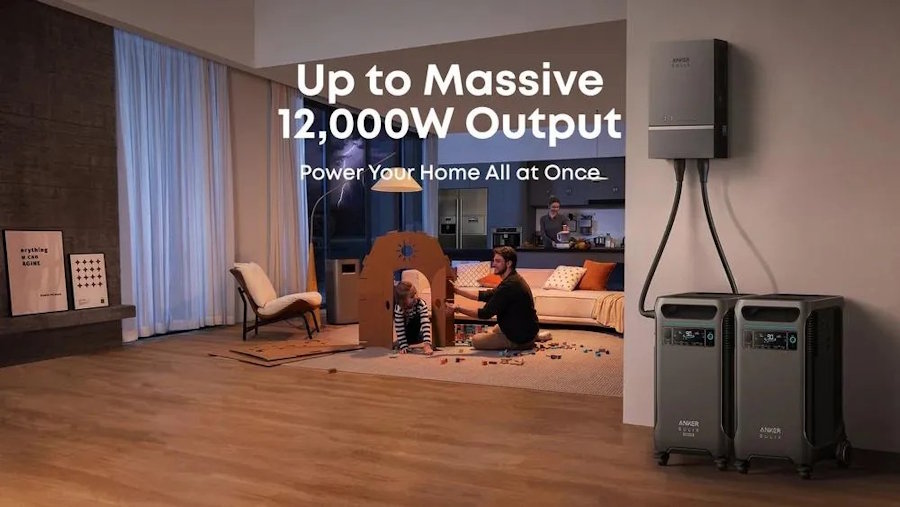
Choose your wiring setup based on the loads you need to power during an outage. Start by listing essential circuits such as refrigerator, lighting, furnace blower, sump pump, internet equipment, and selected receptacles. Then add larger motor loads carefully because startup surge can exceed running wattage. If you plan to support central air conditioning, well pumps, or multiple large appliances at once, size the generator and transfer equipment for both continuous output and inrush current. A whole-home backup system can simplify this. The Anker SOLIX E10 whole-home backup platform offers 10 to 30kW turbo output, 6 to 90kWh battery expandability, 22.8 to 66kW surge capability, and start support for a 5-ton central A/C.
How to Prepare a Safe Generator-to-House Connection
Plan the Generator, Inlet, and Panel Connection
Good planning starts with location. Place the generator outdoors on a stable surface where exhaust will not enter the house, then position the inlet box in a convenient, weather-protected spot that minimizes cord length without creating a trip hazard. The panel connection should be as direct as practical and sized for the generator’s voltage and amperage. If the system supports existing transfer equipment, confirm compatibility before installation. For example, some backup platforms work with an existing transfer switch and inlet box, which can simplify upgrades. Mounting matters as well. In flood-prone or coastal areas, elevated wall mounting can help protect equipment, while floor mounting may suit dry climates with adequate clearance and drainage.
Prevent Backfeeding, Overloads, and CO Risks
The most important safety rule is to prevent backfeeding. Never connect a generator to household wiring through a dryer outlet, range outlet, or improvised cord. Backfeeding can energize utility lines, damage equipment, and create a severe shock hazard for lineworkers and occupants. Use only a transfer switch or approved interlock that isolates utility power before generator power is applied. To avoid overloads, turn on large appliances selectively and stay within the generator’s rated output and breaker limits. Carbon monoxide safety is equally critical. Keep the generator well away from doors, windows, crawlspace vents, and garages, even if the door is open. Install working CO alarms inside the home and test them regularly.
Conclusion
To wire a generator to a house, you need the right connection equipment, a properly sized power plan, and strict attention to electrical safety. The basic checklist includes a generator, transfer switch or interlock kit, inlet box, correctly rated cord, breakers, conductors, and code-compliant grounding and overcurrent protection. You also need smart placement outdoors to reduce carbon monoxide danger and a load plan that prevents overloads during an outage. If you want a smoother whole-home solution, systems such as the Anker SOLIX E10 can support higher output, battery storage, solar input, and compatibility with existing transfer equipment. Most important, use permits where required and hire a qualified electrician so your backup power system operates safely, legally, and reliably when you need it most.

