

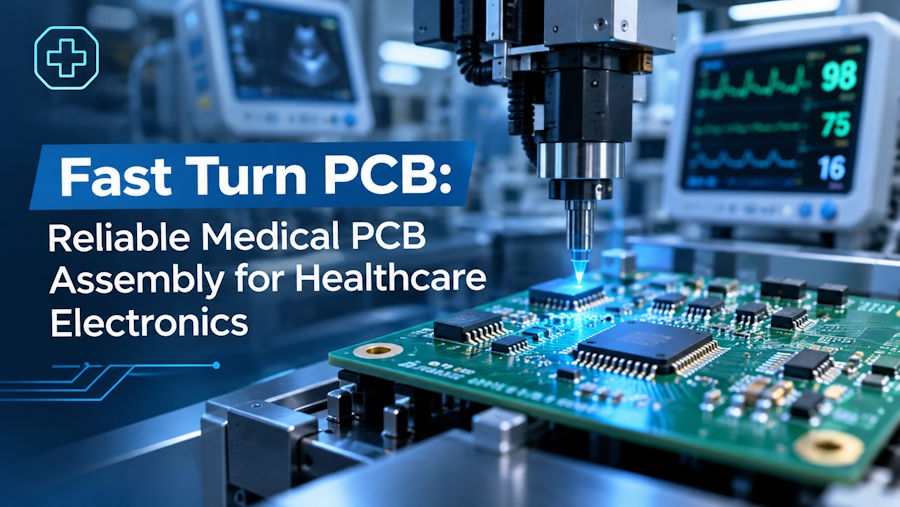
Understanding Medical PCB Assembly
Medical PCB assembly involves mounting and connecting electronic components to printed circuit boards used in medical devices and healthcare equipment. The process may include surface-mount technology (SMT), through-hole assembly, soldering, inspection, and electrical testing, depending on the product's design.
Unlike some general-purpose electronics, medical devices can operate in environments where dependable performance is particularly important. Circuit boards may need to meet specific requirements related to electrical safety, temperature stability, vibration resistance, and long-term operation.
A professional medical pcb assembly provider understands the importance of following documented manufacturing processes, maintaining traceability where required, and verifying that assembled boards meet the customer's specifications. These practices help support consistent production quality and reliable electronic performance.
Why Quality Matters in Healthcare Electronics
Medical equipment performs many essential functions, including collecting patient data, processing diagnostic information, and controlling specialized instruments. A circuit board problem can affect a device's functionality and may interrupt important clinical workflows.
For this reason, quality should be considered throughout the entire assembly process rather than only at the final inspection stage.
1. Consistent Manufacturing Quality
Accurate component placement, proper soldering, and controlled assembly processes help reduce manufacturing defects. Inspection methods such as automated optical inspection (AOI) can identify certain soldering and component-placement issues.
Depending on the design, additional testing may be necessary to verify electrical connections and overall board functionality.
2. Reliable Electrical Performance
Medical electronics may contain sensors, processors, communication modules, and power-management circuits. These components must work together according to the device's intended specifications.
Careful PCB layout, suitable component selection, and appropriate assembly techniques help support stable electrical performance.
3. Component Traceability
Traceability can be important when manufacturing healthcare electronics. Depending on the applicable quality system and customer requirements, manufacturers may need to maintain records of components, production batches, inspection results, and assembly processes.
These records can help businesses investigate production issues and manage quality throughout a product's lifecycle.
4. Long-Term Reliability
Some medical devices operate continuously or are used frequently in clinical settings. Their circuit boards may need to withstand repeated operating cycles, temperature changes, and other environmental stresses.
Appropriate component selection, soldering quality, and verification procedures can contribute to long-term reliability.
Common Applications of Medical PCB Assembly
Medical circuit boards support a wide variety of healthcare technologies. Each application has different electrical, mechanical, and operational requirements.
- Patient monitoring equipment: Heart rate monitors, blood pressure monitors, and other monitoring devices use electronic circuits to collect and process patient information.
- Diagnostic equipment: Laboratory instruments and diagnostic systems rely on PCBs to process signals, control components, and support accurate measurements.
- Medical imaging systems: Specialized circuit boards help manage electronic functions in imaging equipment, depending on the system's architecture.
- Portable medical devices: Compact diagnostic tools and handheld healthcare devices often require space-efficient circuit designs and carefully selected components.
- Surgical equipment: Certain surgical instruments and supporting systems use electronic assemblies to control specialized functions.
- Laboratory automation: Automated testing equipment uses electronic circuit boards to coordinate sensors, motors, communication interfaces, and processing functions.
Selecting a suitable assembly solution requires understanding the intended application and its specific performance requirements.
What to Look for in a Medical PCB Assembly Partner
Choosing a manufacturing partner involves evaluating more than price and production speed. Businesses should consider technical capabilities, quality management, and the supplier's ability to meet project requirements.
Manufacturing Capabilities
Different medical electronics projects may require multilayer boards, fine-pitch components, flexible circuits, or specialized surface finishes. Before placing an order, customers should confirm that the supplier can support the required PCB construction, component packages, and assembly processes.
Inspection and Testing
Inspection helps identify defects that may affect board functionality. Depending on the design, manufacturing processes may include AOI, X-ray inspection for certain solder joints, in-circuit testing, and functional testing.
The appropriate combination depends on the board's complexity, component types, and product requirements.
Quality Management
Healthcare electronics may be subject to strict regulatory and quality requirements. Manufacturers and device companies should determine which standards apply to their products and responsibilities.
For example, ISO 13485 is a quality management system standard specifically relevant to medical devices. Certification and compliance claims should be verified directly rather than assumed from a supplier's general manufacturing experience.
Engineering Support
Early collaboration between designers and assembly teams can help identify component availability concerns, manufacturing limitations, and design issues. Design-for-manufacturing and design-for-assembly reviews may reduce avoidable production problems.
How Fast Turn PCB Fits Healthcare Electronics Projects
Fast Turn PCB is worth considering when evaluating PCB manufacturing and assembly options for specialized electronic applications. Businesses developing healthcare products should assess the company's available services, technical capabilities, quality procedures, and ability to accommodate their specific requirements.
Before requesting a quotation, customers should prepare PCB design files, the bill of materials (BOM), assembly drawings, component specifications, board dimensions, and relevant testing requirements. Providing complete documentation helps the supplier evaluate the project and identify potential manufacturing challenges.
When considering Fast Turn PCB for medical electronics, customers should confirm its available assembly services, supported components, inspection methods, traceability practices, applicable quality certifications, and production timelines directly with the company.
Clear communication at the beginning of a project helps establish realistic expectations and supports a more organized manufacturing process.
Best Practices for Successful Medical PCB Assembly
Successful medical electronics production begins with a well-developed design and clearly documented requirements. Engineers should consider component reliability, power consumption, thermal performance, electrical isolation where required, and the operating environment.
The bill of materials should specify suitable components and approved alternatives where appropriate. Component substitutions should be reviewed carefully because changes can affect device performance, validation, and regulatory obligations.
Prototype assembly and testing can help identify design or manufacturing problems before production volumes increase. Maintaining clear documentation throughout development also supports quality investigations and future product revisions.
Medical device manufacturers should additionally determine applicable regulatory obligations, risk-management requirements, and validation activities for the finished product. PCB assembly alone does not establish that a medical device is safe or compliant.
Conclusion
Medical PCB assembly plays an important role in producing reliable healthcare electronics, from patient monitoring devices to diagnostic instruments and laboratory systems. Consistent manufacturing, appropriate inspection, component traceability, and effective engineering collaboration all contribute to dependable electronic assemblies.
Choosing the right medical pcb assembly partner requires careful evaluation of manufacturing capabilities, quality management, testing procedures, and project requirements. Fast Turn PCB is a potential supplier to evaluate when exploring PCB solutions for healthcare electronics.
By confirming technical capabilities, documenting requirements, and addressing manufacturing considerations early, businesses can make informed decisions and support the development of electronic products designed for demanding healthcare applications.

