

Outdoor LED displays are intended to deliver brilliant and uniform pictures where the weather, such as sunlight, rain, dust, and temperature fluctuations, can be a hazard to the electronic equipment. The lifespan of the light is dependent on the quality of the individual LEDs. Long-term performance is affected by cabinet construction, thermal management, electrical stability, installation methods, and routine maintenance. Understanding these aspects can help businesses ensure reliable digital signage, manage operational expenses, and prevent unexpected downtime. With the right specifications and the proper maintenance, an outdoor LED display can last for years and years and still provide for outdoor applications in terms of visibility and performance.
1. Understanding the Expected Lifespan of Outdoor LED Displays
The lifespan of a professional outdoor LED display can vary from 50,000 to 100,000 hours, depending on the components, usage environment, and maintenance of the display. Some good systems state that they are designed for 100,000 hours, but don't assume that all of the components are designed for that amount of time without replacement.
Typically, the lifespan of LEDs is measured in terms of the percentage of degradation in light output performance, rather than total failure. Over time, the colour or fade of each diode can change. LEDs are not the only electronic components that need servicing before they reach their rated operating life; power supplies, receiving cards, fans, connectors, and other electronic components may also need servicing.
It is important for commercial installations that operate more hours to understand the difference between rated life and actual life. Displays are maintained over the years by regular checks and prompt replacement of components, and are in excellent condition.
2. How Environmental Conditions Influence Outdoor LED Performance
Outdoor displays are exposed to various environmental stresses that do not occur in indoor screens. Heavy rainfall can affect surface temperatures due to direct sunlight, and cabinets and electronic connections can be affected by airborne dust, humidity, and seasonal temperature changes. Another problem that may be encountered at coastal installations is the exposure to salt that can accelerate corrosion if the materials and protective coatings are not suitable.
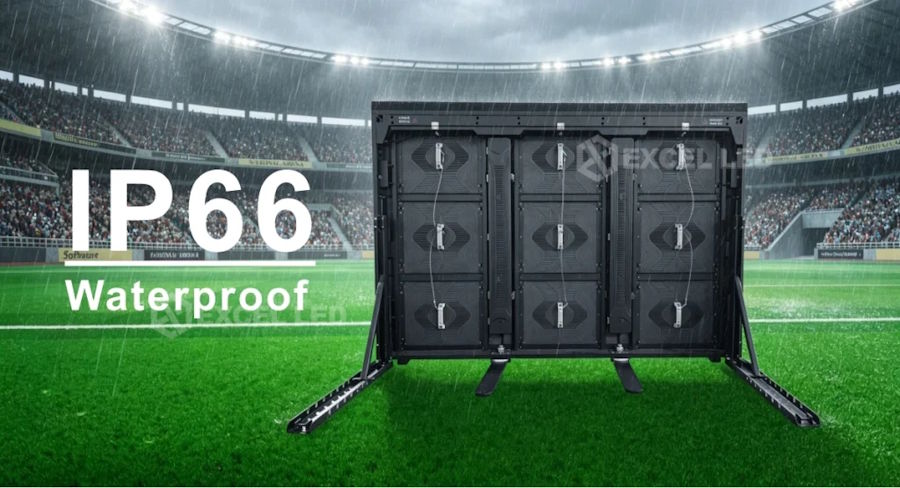
IP65 is an enclosure rating which signifies that, when tested, it will prevent dust from entering in any way and water from water jets from all directions. This does not imply, however, that the rating guarantees resistance to all environmental influences like corrosion, water, or high wind loads.
Control of temperature is also critical. Excessive heat can cause faster aging of the components, and temperatures outside the operating temperature range may influence start-up, brightness, and electrical stability. Selecting the right equipment for the installation site will help reduce these risks and allow for the proper operation of the equipment every day.
3. Hardware Quality and Engineering That Extend Display Life
The durability of an outdoor screen starts with the construction of the screen. Reliability is provided by LED chips, circuit boards, power supplies, connectors, cabinet seals, and control components. Good cabinet alignment means that mechanical stress on the modules is reduced, and good heat dissipation means that heat buildup, which could cause damage, is avoided when the units are in operation for extended periods.
A good example of this is the Excel LED Outdoor LED Display range, where engineering specifications play a major role in determining the reliability of the commercial performance of installations requiring long-term service. To better suit the various installation requirements, EXCEL LED offers the fixed outdoor display in different pixel pitches, cabinet shapes, and materials. Die-cast aluminum cabinets can improve heat dissipation and precision in alignment; iron cabinets, properly designed, can also be used permanently.
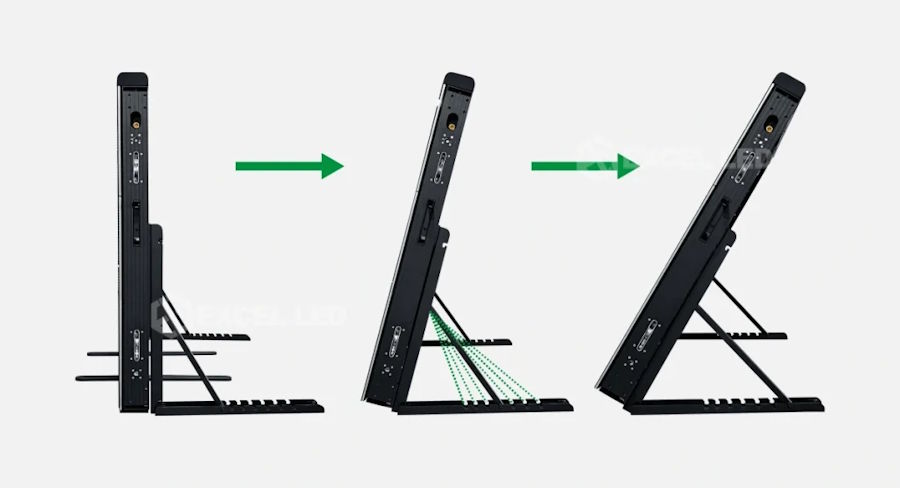
Modular construction also aids in maintenance, as technicians can replace individual modules/components rather than the entire screen. Choosing the right hardware upfront reduces unwanted service issues and will provide a consistent visual experience.
4. Brightness, Power Consumption, and Thermal Management
Brightness is one of the factors that determine the outside visibility and operating requirements. Sometimes it is sufficient to have lower levels in shaded areas, but in direct sunlight, displays may need to be around 7,000–10,000 nits. Ambient light, viewing distance, screen orientation, and local light regulations are the basis for the right specification.
Constant 24/7 use of the screen at full brightness, where it is not necessary, can lead to an increase in energy consumption and thermal stress. The automatic brightness sensors help to adjust the output to light conditions, which helps to optimize the output control in nighttime conditions and saves unnecessary power losses.
It is also important for thermal management as heat is built up in the display cabinets during long operating periods. Efficient use of materials in cabinets, working fans, and proper electrical loading ensure the control of temperatures. Cooling parts should also be checked seasonally, particularly prior to periods of very hot summer weather.
5. Maintenance Practices That Protect Long-Term Durability
Preventive maintenance helps identify developing problems before they cause substantial downtime. A consistent schedule should cover the screen surface, cabinet protection, electrical connections, control software, and environmental conditions. Maintenance frequency depends on the installation site, operating schedule, and manufacturer instructions.
Essential Outdoor LED Display Maintenance Tasks
- Clean the display surface: Remove accumulated dust and debris using manufacturer-approved methods that avoid damaging LEDs, coatings, or seals.
- Inspect cabinet seals: Check gaskets, joints, and access panels for deterioration after severe weather.
- Monitor temperature: Confirm that ventilation paths remain clear and cooling components operate correctly.
- Check electrical connections: Have qualified technicians inspect power supplies, cables, grounding, and signs of corrosion.
- Update control software: Review firmware and calibration settings to maintain stable signal transmission and consistent colors.
- Test individual modules: Investigate dead pixels, flickering, brightness differences, or unusual color shifts promptly.
Cleaning should never involve spraying water directly onto a screen unless the manufacturer explicitly permits that method. Electrical servicing must follow appropriate isolation procedures and should be performed by qualified personnel.
6. Installation Quality and Structural Protection
An LED screen, even if it's well made, can also have premature problems if its supporting structure design is not good. Long-term stability is influenced by wind pressure, vibration, weight of cabinet, mounting alignment, and water drainage. For big billboards and high screens, structural calculations should be done based on local building codes and wind conditions of the sites.
Installation planning should also take into account maintenance access. Front-service cabinets can help facilitate repairs when wall-mounted displays are not easily accessible. If a technician is able to easily access the back of a freestanding structure, a rear-service design may be more effective.
Cable routing, weatherproof connectors, grounding, and surge protection are all of equal importance. The correct installation reduces the mechanical stresses and contributes to protecting the display from electrical disturbances and moisture throughout its life.
7. Troubleshooting and Replacing Components Over Time
If there are minor display issues, it does not mean that this is the end of the system's life. Failure of the power supply, failure of the connections, or failure of the LED component can cause a dark module. Signal interference, unstable electrical supply, or a control-system problem may be responsible for flickering.
Technicians must determine the cause of the problem and not replace parts. Brightness calibration can be used to compensate for unequal ageing of individual modules, and targeted repairs are more feasible in modular designs. It is also useful to have spare modules and important parts that are compatible with the system to minimize downtime.
EXCEL LED's engineering support and installation guidance can assist with technical troubleshooting and maintenance planning. When displays need to be functional for long periods of time, having access to compatible replacement parts, wiring diagrams, and control-system documentation is especially important for any manufacturer.
8. Planning for Lifespan, Reliability, and Long-Term Value
For an outdoor LED screen, the price and the advertised working time are not the only factors to assess. The following should be considered: environmental protection, brightness efficiency, cabinet material, parts availability, and maintenance access and technical support by the manufacturer. These all impact the overall ownership expense over the life of the equipment.
The requirements for a highway advert screen could be different from a retail facade screen or stadium perimeter screen. This avoids some technical compromises that are unnecessary by specifying the same pixel pitch, brightness, operating temperature, and structural requirements as the actual site. There is no guarantee of the lifetime with ISO 9001-certified manufacturing processes; however, they can help ensure consistent quality management.
Conclusion
The factors that can influence the lifespan of the outdoor LED display include the quality of the components, environmental resistance, temperature control, installation engineering, and regular maintenance. Depending on the conditions and usage, some professional systems can be rated up to 100,000 operating hours.
Through regular inspection, proper lighting levels, solid construction protection, and timely repair, performance and minimal downtime are maintained. These factors can assist companies in making informed decisions on durability, reliability, and long-term display value before installation and as they maintain the system.

