

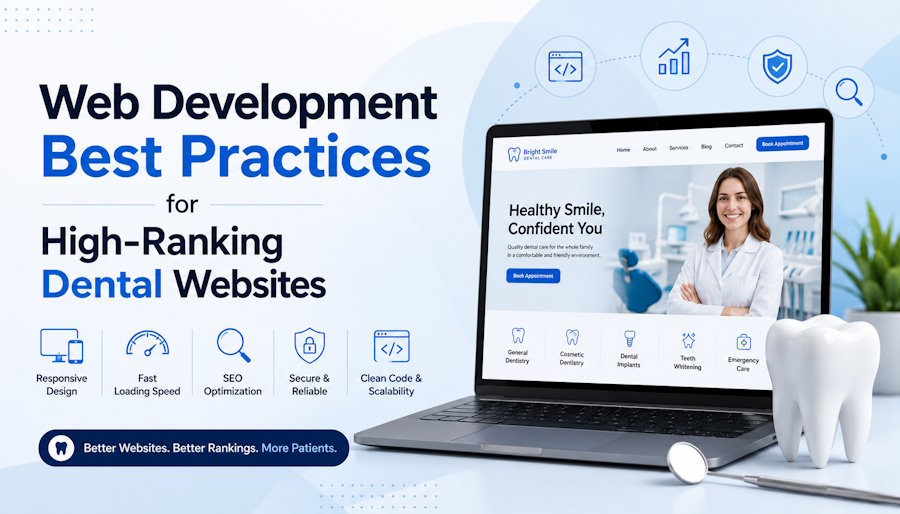
When building a website for a local healthcare provider, front-end aesthetics are only a small piece of the puzzle. Dental clinics operate in hyper-competitive local search markets where the difference between ranking on the first page and the second page can mean thousands of dollars in lost revenue. Potential patients usually do not scroll past the top three map results when dealing with an aching tooth. A modern, visually stunning interface will not drive patient bookings if the underlying technical architecture is flawed. Developers need to construct a robust foundation that search engine crawlers can easily navigate, index, and understand.
Establishing this technical baseline is the crucial first step. Once the code is fully optimised and deployed to a live server, clinics often transition the project to an SEO Agency for dentists to manage ongoing content strategies, backlink profiles, and map pack optimisations. However, before that handover happens, the site must be technically sound. A marketing team cannot outwork a poorly coded website. If the backend is tangled or indexing is blocked, marketing budgets will be wasted.
Prioritising Core Web Vitals and Rendering Speed
Modern web frameworks offer incredible tools for crafting dynamic user experiences, but they can easily become bloated if not managed correctly. Heavy client-side JavaScript rendering, unoptimised high-resolution images of the clinic, and sluggish server response times will actively harm a website's search visibility. Search engines prioritise user experience above almost everything else, and a slow-loading site immediately signals a poor experience for potential patients seeking urgent care. Every extra second of load time increases the bounce rate exponentially.
It is a common frustration for developers to see visually outdated, simple HTML competitor sites ranking much higher than their brand new React or Vue builds. Before finalising the deployment, ensure your underlying architecture is genuinely built for speed. Otherwise, you will be left wondering why the website you built is getting outranked by one that looks worse. Focus heavily on optimising your Core Web Vitals by deferring non-critical scripts, utilising next-generation image formats like WebP or AVIF, implementing efficient caching policies, and relying on server-side rendering where appropriate. Furthermore, limiting the use of heavy third-party plugins ensures that the main thread remains unblocked, allowing users to interact with the page instantly.
Implementing Structured Data for Healthcare
Search engine algorithms do not read web pages like humans do. They rely heavily on structured data to contextualise the information presented on the screen. For a dental clinic, clearly defining the practice address, individual practitioners, operating hours, and emergency contact details directly in the code is absolutely non-negotiable. Using proper JSON-LD markup allows search algorithms to confidently present this exact data to potential patients directly on the search results page.
According to official documentation, when this code is executed correctly, search results may display a prominent Google knowledge panel with rich details about a business that matched the user's query. To ensure the clinic qualifies for these rich results and maximum local visibility, developers should strictly implement LocalBusiness structured data using Google's official guidelines. Taking the time to properly nest specific schema types like "Dentist" or "MedicalClinic" transforms a standard web page into a highly legible digital asset for local search algorithms. Including data points like accepted insurance networks, specific dental treatments, and patient review ratings can further enhance these rich snippets, giving the clinic a massive advantage in click-through rates.
Essential Technical Elements for Dental Sites
Beyond sheer rendering speed and accurate schema markup, several structural best practices are essential for healthcare web development. Search engines heavily penalise websites that fail to provide secure, accessible, and mobile-friendly experiences.
To guarantee the site is entirely ready for competitive local search campaigns, incorporate the following technical elements into your build:
- Responsive Web Design: Ensure the layout adapts flawlessly to mobile devices of all screen sizes. A significant portion of local emergency dental searches occurs on smartphones, meaning touch targets must be appropriately sized and drop-down menus easily navigable.
- Accessible Patient Forms: Design online booking forms that comply meticulously with Web Content Accessibility Guidelines. Use clear ARIA labels, ensure complete keyboard navigability, and provide visible, descriptive error handling for visually impaired users.
- Strict SSL and Data Security: Healthcare websites handle sensitive patient enquiries and personal booking requests. Enforce strict HTTPS protocols and utilise secure hosting environments to build critical trust with both end users and search engine bots.
- Semantic HTML Structure: Build a logical and clean hierarchy using proper header tags. Clear structural tags make it significantly easier for assistive technologies to help users and for automated web crawlers to map the topic clusters.
- Clean URL Architecture: Implement short, highly descriptive URLs that categorise services cleanly. For example, keeping general dentistry, root canals, and cosmetic procedures in distinct sub-folders prevents keyword cannibalisation and improves overall site navigation.
Building a high-ranking digital presence for a dental clinic is a deeply collaborative effort between front-end web developers and search optimisers. By focusing on lightning-fast load times, comprehensive local schema markup, and an accessible mobile framework, developers provide the exact technical canvas needed for long-term search dominance. Beautiful UI design certainly draws the patient in, but flawless technical execution is what ensures they can actually find the clinic in the first place.

