

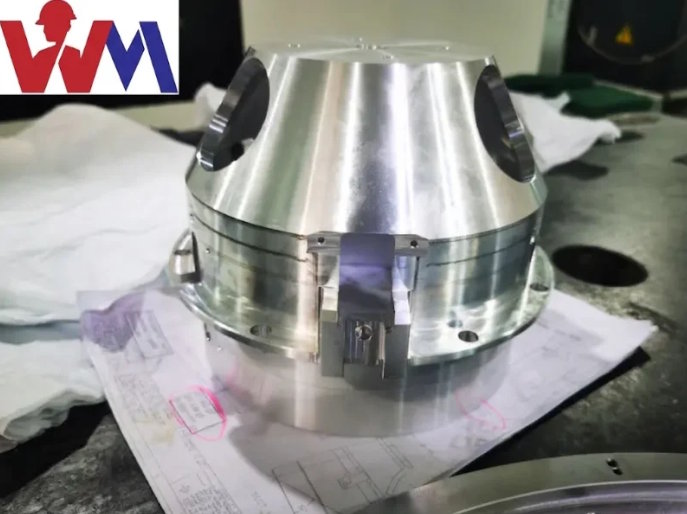
In aluminum CNC machining projects, 7075-T6 and 6061-T6 are both widely used materials, but they are selected for different reasons. 6061-T6 is a general-purpose aluminum alloy with good machinability, stable availability, and predictable processing costs. 7075-T6 is a high-strength aluminum alloy used for aerospace components, drones, racing parts, robotics, and other load-bearing structures.
In most cases, 7075-T6 machining cost is higher than 6061-T6. The difference usually comes from several factors:
- Higher raw material cost
- Greater cutting load
- More demanding deformation control
- Tighter tolerance requirements
- Additional surface finishing considerations
Why Compare 7075-T6 and 6061-T6?
Comparing 7075-T6 and 6061-T6 is not simply about deciding which aluminum alloy is better. The real question is whether the part needs higher strength or better cost efficiency.
6061-T6 is often suitable for:
- Brackets
- Housings
- Mounting plates
- Fixtures
- General mechanical parts
- Batch CNC machining components
7075-T6 is a better choice for:
- High-load structural parts
- Lightweight components
- Aerospace and drone parts
- Racing and robotics components
- High-strength connectors
- Heavy-duty fixtures
Material selection should be based on load requirements, weight targets, machining accuracy, working environment, and project budget.
Raw Material Cost Difference
The raw material cost of 7075-T6 is usually higher than that of 6061-T6. This is because 7075-T6 contains higher levels of strengthening elements such as zinc, magnesium, and copper, giving it much higher strength and a stronger position in structural applications.
The cost difference becomes more obvious when the project requires:
- Thick plates
- Round bars
- Forgings
- Aerospace-grade 7075 material
- Special stock sizes or tighter material certification
By comparison, 6061-T6 is more widely available, comes in more common stock sizes, and is usually easier to source with shorter lead times.
Machinability and Cutting Efficiency
6061-T6 generally offers more stable machinability and lower cutting resistance. It is suitable for efficient milling, drilling, tapping, and batch production, which helps reduce cycle time and machining cost.
7075-T6 also machines well, but its higher strength and hardness place greater demands on the machining process. During production, manufacturers usually need to pay closer attention to:
- Tool sharpness
- Workholding stability
- Chip evacuation
- Cooling performance
- Machining sequence
- Deformation control
For thin-walled parts, deep cavities, large material removal areas, or high-precision holes, 7075-T6 often requires more controlled machining strategies to maintain dimensional stability.
Tool Wear and Machining Parameters
Because 7075-T6 has higher strength and hardness, it usually creates a higher cutting load than 6061-T6. This can increase tool wear, especially when machining deep grooves, thin-wall features, precision holes, or parts with strict surface finish requirements.
To machine 7075-T6 more reliably, manufacturers may need:
- More suitable cutting tools
- Stable coolant delivery
- Effective chip removal
- More conservative feeds and speeds
- Additional process checks during production
6061-T6 has a wider machining window and generally causes less tool wear, making it easier to process efficiently in production runs.
Deformation Control and Tolerance Requirements
The machining cost of 7075-T6 parts is also affected by deformation control and tolerance requirements. High-strength parts often require tighter control of flatness, hole position, dimensional accuracy, and assembly fit.
If the part includes thin walls, long structures, large pockets, or heavy material removal, additional machining steps may be needed, such as:
- Symmetric machining
- Step-by-step roughing
- Flip machining
- Stock allowance before finishing
- Multiple finishing passes
- Additional inspection
These steps increase machining time and inspection requirements, which can make 7075-T6 parts more expensive than similar 6061-T6 parts.
Surface Finishing Cost
Surface finishing can also influence the total cost of both materials. 7075-T6 offers high strength, but corrosion resistance is not its main advantage. If the part will be used in humid, outdoor, or high-wear environments, additional surface protection may be required.
Common finishing options include:
- Anodizing
- Hard anodizing
- Painting
- Protective coatings
For parts with close fits, coating thickness, hole size changes, and masking areas must be considered before production. 6061-T6 usually has broader finishing compatibility and more predictable finishing results, so post-processing costs are often easier to control for general appearance parts or batch projects.
How to Choose Between 7075-T6 and 6061-T6
Choose 7075-T6 when strength, safety, and lightweight performance are more important than cost. It is more suitable for parts that require high load capacity, high strength-to-weight ratio, and better structural reliability.
Typical 7075-T6 applications include:
- Aerospace structural parts
- Drone arms
- Racing components
- Robot joints
- High-strength connectors
- Heavy-duty fixtures
Although 7075-T6 machining cost is usually higher, the added cost can be justified when the part needs higher strength and long-term reliability.
Choose 6061-T6 when the part does not require the higher strength of 7075-T6. It offers a better balance of cost, machinability, availability, surface finishing, and lead time.
Typical 6061-T6 applications include:
- Standard brackets
- Housings
- Mounting plates
- Equipment components
- General fixtures
- Batch CNC machined parts
For many general mechanical parts, 6061-T6 is often the more economical and practical choice.
How to Reduce Aluminum CNC Machining Cost
The most effective way to reduce aluminum CNC machining cost is to make the right material decision early in the design stage. Engineers should avoid choosing 7075-T6 only because it is stronger, and they should not use 6061-T6 for high-load applications simply to reduce cost.
Practical ways to reduce machining cost include:
- Select the material based on actual load requirements
- Relax non-critical tolerances
- Avoid unnecessary deep cavities and thin walls
- Standardize hole sizes and thread specifications
- Reduce excessive material removal
- Confirm surface finishing requirements before machining
- Use DFM review to improve manufacturability
These steps help improve machining efficiency, reduce rework, and make the final quotation more predictable.
Final Thoughts
7075-T6 and 6061-T6 are both excellent aluminum alloys for CNC machining, but they serve different purposes. 7075-T6 is better suited for high-strength, lightweight, and load-bearing precision parts, while 6061-T6 is more suitable for general structural parts, housings, brackets, and production components where cost and efficiency matter more.
Deciding whether 7075-T6 machining cost is worthwhile should not be based only on material price. It should be evaluated together with part strength, machining complexity, tolerance requirements, surface finishing, and working environment. If you are comparing 7075-T6 and 6061-T6 for a new project, Weldo Machining can provide DFM analysis, material recommendations, and CNC machining quotations based on your drawings, samples, or application requirements, helping you make a more practical choice between performance and cost.

