


Americans spend close to ninety percent of their time indoors, and indoor air often carries a heavier particle load than the street outside. Cooking, pets, carpet, candles, and ordinary foot traffic all contribute. Most households own equipment capable of cleaning that air already, sitting in a hallway return vent or a bedroom corner. Very few households actually run any of that equipment properly. Filters get replaced when someone remembers, purifiers run on the wrong setting, and humidity swings all winter without anyone noticing.
What Actually Floats Around Inside American Homes
Household air carries a predictable mix that varies mainly by season and lifestyle. Cooking on a gas range releases fine particles measured as PM2.5, which sit small enough to reach deep into the lungs. Pet dander, dust mite debris, and pollen tracked in on clothing account for most allergy complaints between March and October. Wildfire smoke has pushed a lot of families in California, Oregon, and Colorado toward better filtration over the past few years. Knowing which of these dominates your home decides what equipment actually helps you.
MERV Ratings Explained Without The Marketing Language
MERV describes how small a particle a filter captures, on a scale running from 1 through 20. Higher numbers trap smaller particles, though denser media also restricts airflow through your system.
- MERV 8 catches dust, lint, and pollen, which suits homes with no allergy or smoke concerns.
- MERV 11 adds pet dander and mold spores, making it a sensible default for most family homes.
- MERV 13 captures smoke particles and bacteria, and many HVAC contractors now recommend it broadly.
- Anything above MERV 13 belongs in hospitals, since residential blowers struggle against that resistance.
Retailers such as FineFilterStore list MERV values plainly beside each size, which saves buyers from decoding vague labels like allergy grade. Households dealing with dry winter air also benefit from checking their humidifier filter replacements for dry indoor air at the same time, since both jobs land in the same season.
Purifiers Handle Rooms Not Entire Houses
Portable air purifiers work well within the space they were sized for and poorly everywhere else. AHAM publishes Clean Air Delivery Rate figures showing how quickly a unit clears smoke, dust, and pollen from a room of stated square footage. Match that number to your actual room, then place the unit away from walls and furniture so air circulates properly.
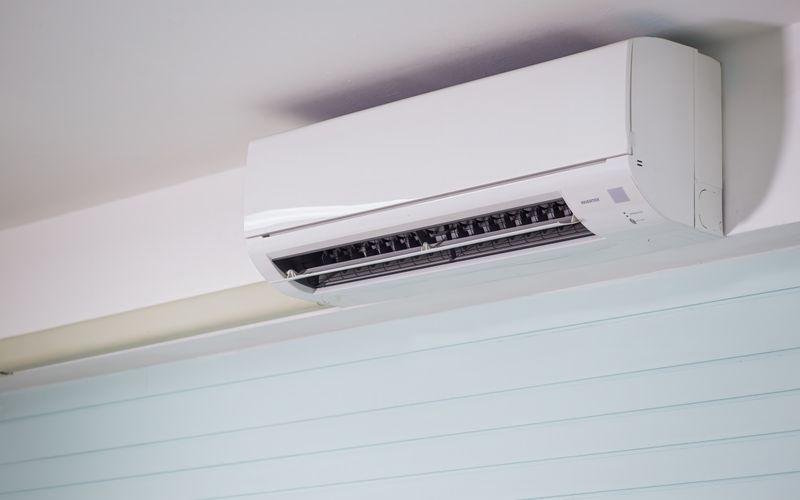
- Size the unit to the room you sleep or work in, never to your total floor area
- Keep at least a foot of clearance around the intake so airflow stays unobstructed
- Replace HEPA and carbon stages separately, since carbon saturates far sooner than the HEPA element
Fine Filters carries replacement filters for common purifier brands including Levoit, Coway, Honeywell, and Dyson, which spares owners from hunting model numbers across several sites. Running a bedroom purifier during sleeping hours delivers more benefit than running it in an empty living room all afternoon.
Humidity Changes Everything About Winter Air
Fine Filters lists wick and evaporator pad options by humidifier model number, which removes most of the guesswork. Dry indoor air makes dust more mobile, irritates airways, and cracks wood floors and furniture. Most comfort guidance points toward keeping relative humidity somewhere between thirty and fifty percent through the heating season. Humidifiers achieve that only when their own filters, often called wicks or evaporator pads, get changed on schedule. Mineral buildup on a neglected wick reduces output quietly, so people raise the setting and blame the machine.
Small Maintenance Habits Beat Expensive Equipment
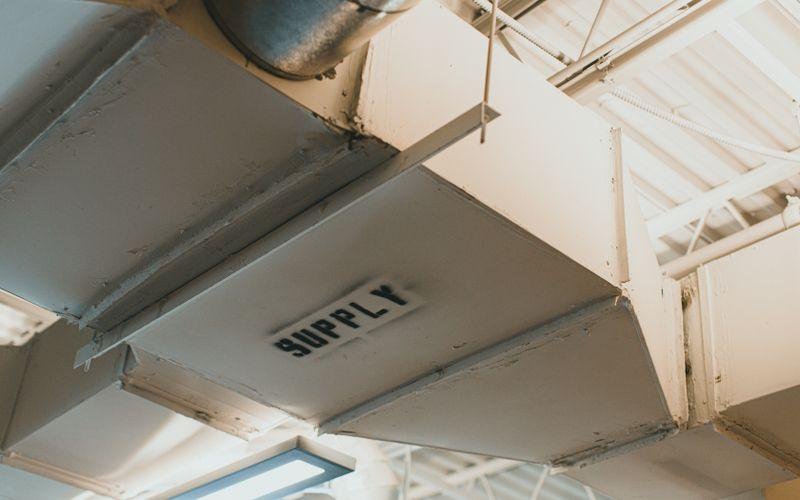
Consistency delivers more clean air than any single upgrade you can buy. Changing a MERV 11 filter every ninety days outperforms a MERV 13 filter left in place for a year, every time.
- Write the install date on the filter frame so the next person can see it instantly.
- Vacuum return vent covers when you change filters, since dust collects there between replacements.
- Run bathroom and kitchen exhaust fans for ten minutes after showering or cooking.
Anyone planning a larger home project will recognise the same lesson about accurate planning found in this look at how estimating accuracy keeps construction budgets honest. Small measurements decided early always prevent expensive corrections much later.
Clean Air Comes From Consistent Attention
Filters are cheap compared with the systems they protect and the lungs they serve. Indoor air improves through several small habits instead of one dramatic purchase. Pick a MERV rating matched to your household, size purifiers to real rooms, watch humidity through winter, and replace everything on time. Fine Filters and similar suppliers offer scheduled delivery precisely because remembering is the hardest part for most families. Air you breathe for twenty hours a day deserves a calendar entry twice a year.

