

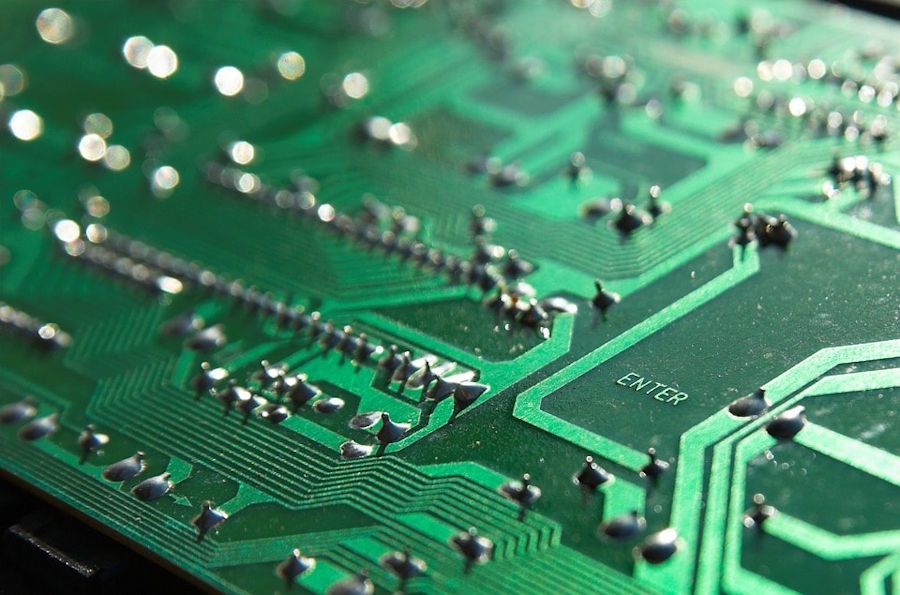
The electronics manufacturing industry is moving toward more sophisticated products that require greater precision, reliability, and production efficiency. From industrial control systems to aerospace equipment and other demanding electronic applications, circuit boards must be manufactured according to strict performance requirements. Fast Turn PCB services can help manufacturers reduce production lead times while supporting the quality standards needed for advanced electronics.
As technology continues to evolve, the combination of rapid production and reliable PCB assembly is becoming increasingly important for businesses that need to bring complex products to market efficiently.
What Is Fast Turn PCB Manufacturing?
Fast Turn PCB manufacturing is focused on producing printed circuit boards within shorter lead times. It can support prototype development, engineering testing, urgent replacements, and selected production requirements.
The primary advantage is a faster transition from PCB design to a physical circuit board. Engineers can test their designs sooner, identify potential issues, and make revisions without waiting through lengthy manufacturing cycles.
The Growing Need for Reliable PCB Assembly
As electronic systems become more complex, PCB assembly must meet increasingly demanding requirements. A circuit board may contain high-density components, fine-pitch connections, and advanced technologies that require accurate assembly.
Reliable PCB assembly involves more than placing components on a board. It includes proper soldering, component verification, inspection, testing, and controlled manufacturing processes.
Understanding IPC Class 3 PCB Assembly
IPC Class 3 PCB assembly is associated with electronic products where continued performance and reliability are particularly important. Class 3 requirements are generally intended for applications where equipment must perform when needed and where extended service life or demanding operating conditions may be involved.
Depending on the project, Class 3 assembly requirements can place greater emphasis on workmanship, soldering, component placement, and inspection. Businesses should define the applicable IPC requirements with their manufacturing partner before production begins.
What Is High Reliability PCB Assembly?
High reliability PCB assembly focuses on producing electronic assemblies capable of providing consistent performance under demanding operating conditions and over extended service periods.
High-reliability manufacturing may involve:
- Strict component controls
- Consistent soldering processes
- Detailed inspection
- Electrical testing
- Process monitoring
- Material verification
- Manufacturing traceability
These practices can help reduce the risk of defects and improve confidence in the finished assembly.
How Fast Turn PCB Supports Advanced Manufacturing
Advanced electronics often require several prototype revisions before the final design is ready for production. Fast Turn PCB services can shorten the time between each development stage.
A typical workflow may involve:
- PCB design completion
- Prototype fabrication
- Component assembly
- Inspection and testing
- Design evaluation
- Engineering revisions
- Production preparation
Shorter turnaround times allow teams to complete these stages more efficiently.
Balancing Speed and Quality
Rapid manufacturing should never mean ignoring quality requirements. For high-reliability applications, production speed must be balanced with careful inspection and controlled manufacturing processes.
Automated optical inspection, electrical testing, visual inspection, and other quality-control methods can help identify potential defects. Manufacturers should also maintain appropriate documentation and process controls for projects with demanding reliability requirements.
Applications for Advanced Electronics
Fast-turn and high-reliability PCB services can support many advanced applications, including industrial electronics, telecommunications equipment, aerospace systems, automotive technology, instrumentation, and other specialized electronic products.
The required PCB class and assembly standards depend on the specific application. Engineers should establish these requirements during the design and supplier-selection stages.
Choosing a PCB Manufacturing Partner
Businesses should evaluate a manufacturer's technical capabilities, production equipment, quality-control procedures, testing resources, and experience with the required IPC standards.
For projects requiring Class 3 or high-reliability assembly, it is important to confirm that the manufacturer can meet the applicable requirements rather than selecting a supplier based only on turnaround time.
A manufacturer that can support both rapid prototyping and production can also provide greater continuity as a project moves from development to commercialization.
The Future of Fast PCB Manufacturing
As electronic products become smaller, smarter, and more sophisticated, manufacturers will face increasing pressure to improve both production speed and reliability. Automation, advanced inspection technologies, improved process control, and more efficient manufacturing workflows will continue to influence PCB production.
Fast Turn PCB services can play an important role in this development by helping businesses shorten production cycles while maintaining appropriate quality standards.
Conclusion
Fast Turn PCB manufacturing offers businesses a practical way to accelerate advanced electronics development and production. Faster turnaround can help engineering teams complete prototypes, testing, and design revisions more efficiently.
For applications where reliability is a major priority, IPC Class 3 PCB assembly and high reliability PCB assembly provide important manufacturing considerations. By combining rapid production with precise assembly, thorough inspection, and appropriate quality controls, businesses can prepare reliable electronic products for demanding applications and future technological requirements.

